LPDDR6 memory now scales to 512 GB per module, a leap that could reshape AI server design. The new JEDEC standard also adopts SOCAMM2 modules, promising tighter integration with processors and lower operational costs.
This update is part of a broader push toward more efficient, high-bandwidth memory solutions for data centers. Previous generations maxed out at 32 GB per module, making this a fivefold increase in capacity without proportional power draw increases—an important factor as AI workloads grow heavier.
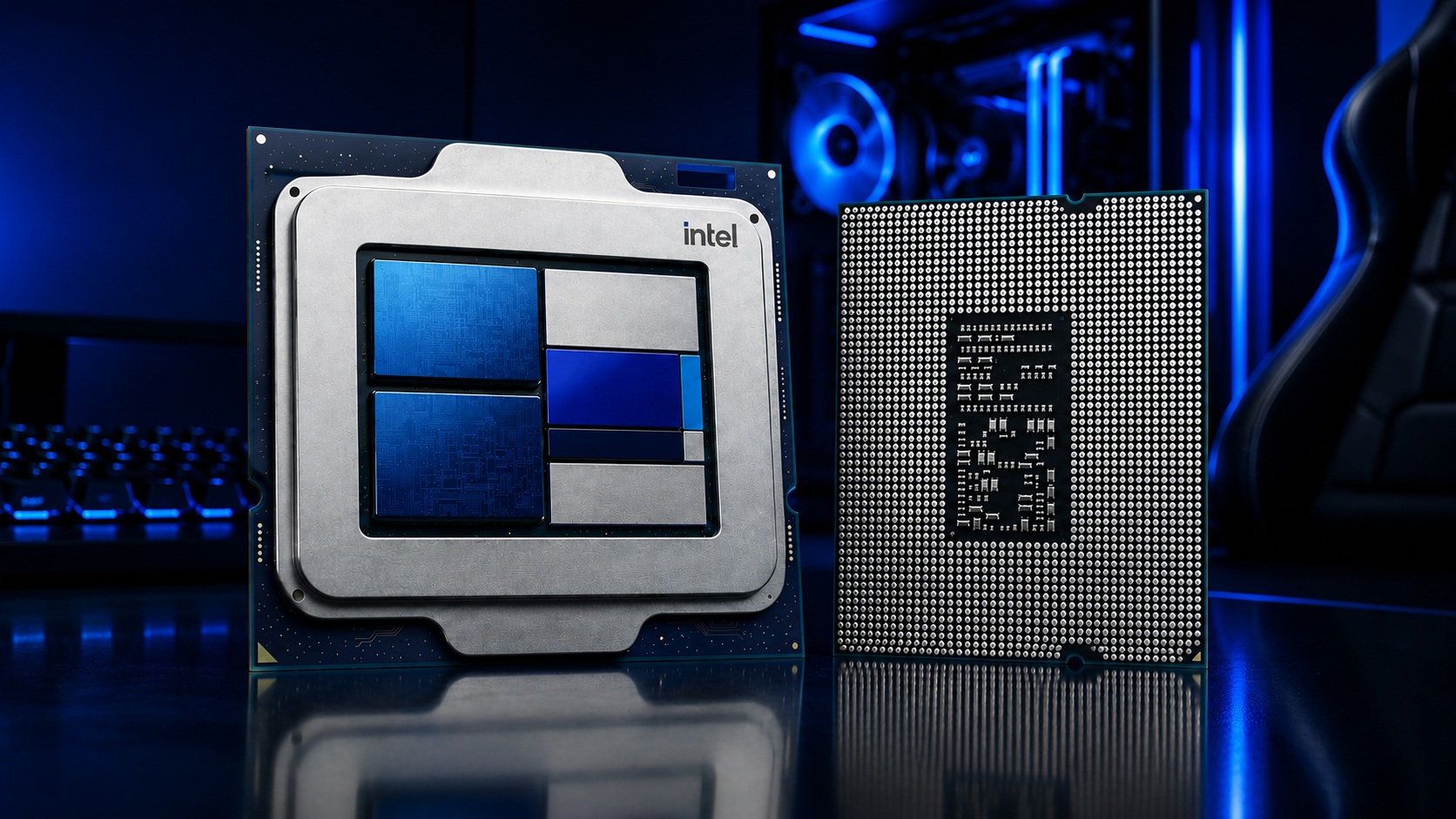
The SOCAMM2 modules are designed to fit directly onto system-on-chip (SoC) packages, reducing latency and simplifying thermal management. This is a departure from traditional DIMMs, which rely on separate modules and connectors. The change aligns with trends in mobile and embedded systems, where memory is increasingly integrated at the package level rather than the board level.
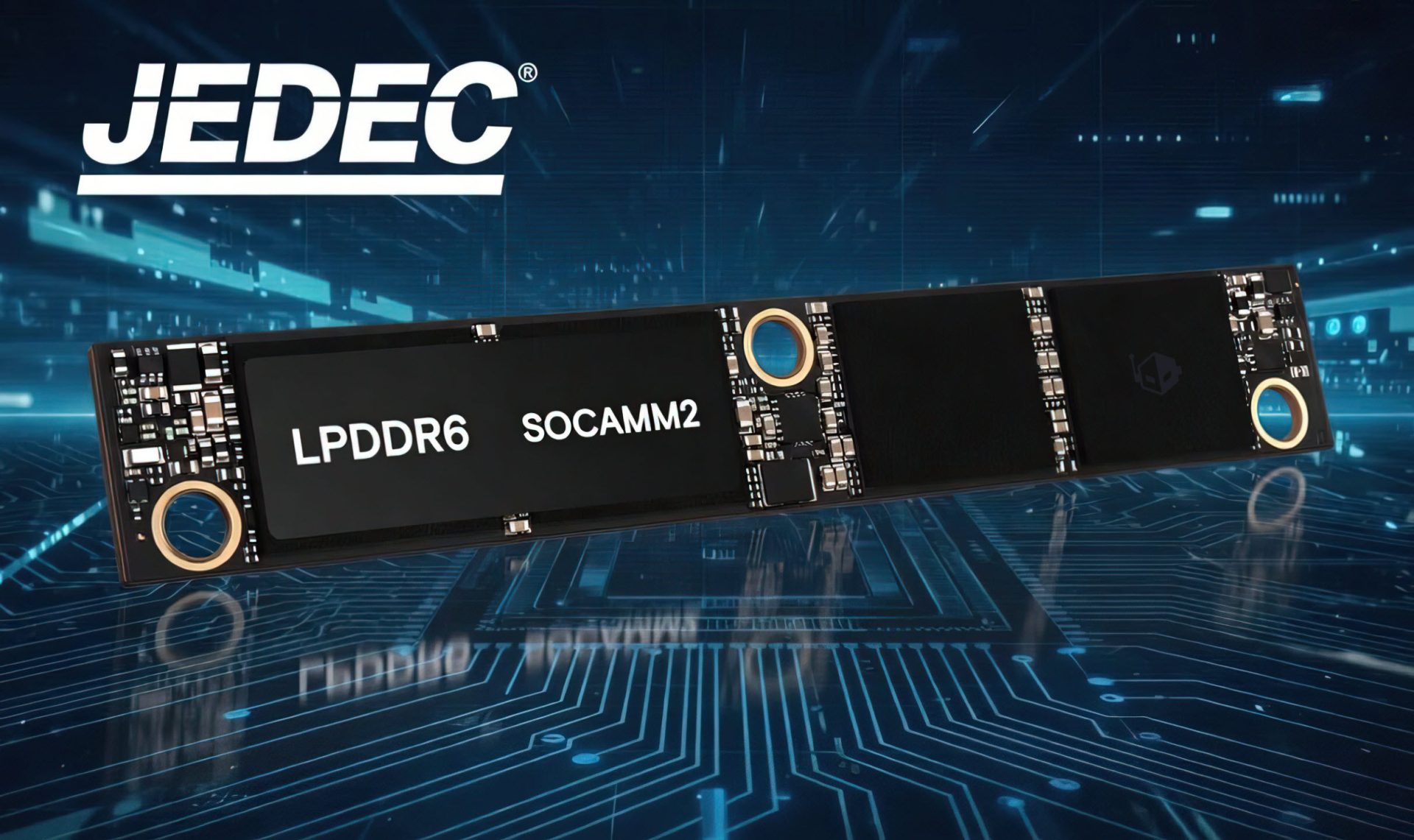
- 512 GB per module, up from 32 GB in previous LPDDR6 generations
- SOCAMM2 form factor for direct SoC attachment
- Targeted at AI inference and training workloads, where memory bandwidth is critical
- Lower power consumption compared to traditional DDR5 server memory
Who stands to benefit? Primarily data center operators and cloud providers running large-scale AI models. The shift could also influence consumer devices, though the impact there will be more gradual.
The biggest question remains: Will this standard catch on quickly enough to keep pace with AI hardware development? If adopted widely, it could set a new benchmark for memory efficiency in servers, but competition from other form factors like HBM (high-bandwidth memory) and CXL-based solutions will be fierce.
For now, the focus is on AI. The 512 GB capacity is specifically tailored to handle the massive datasets used in machine learning, while the SOCAMM2 integration reduces latency—a critical factor for real-time processing. If this becomes the de facto standard, it could clear the path for more powerful yet energy-efficient AI servers.