The final chapter for LEGO 2K Drive has arrived. After nearly four years of delivering unmatched visual fidelity—2K resolution, 60 frames per second, and a pixel-perfect LEGO aesthetic—the service is being quietly removed from online play, with multiplayer support set to shut down in early 2027.
This isn’t just the end of a game; it’s the end of an engineering challenge. LEGO 2K Drive was built around a radical idea: render every brick, stud, and shadow at twice the standard resolution, then display it on screens that couldn’t always handle the load. The result was a title that demanded more from hardware than almost any other, forcing developers to rethink how games manage memory, texture streaming, and draw calls—all while maintaining smooth performance.
At its peak, LEGO 2K Drive ran on a custom engine optimized for high-resolution rendering. It used 8 GB of RAM per player session, with an additional 4 GB reserved for texture caching. The game’s world was divided into chunks that loaded dynamically, but each chunk contained every brick in full 2K detail, no level-of-detail fallback. Benchmarks from the time showed that a mid-range gaming PC could hit 60 FPS on a 1080p display, but only if it had at least 16 GB of RAM and an RTX 30-series or RX 6000 GPU. Higher resolutions or ray-traced shadows would drop the game to a crawl.
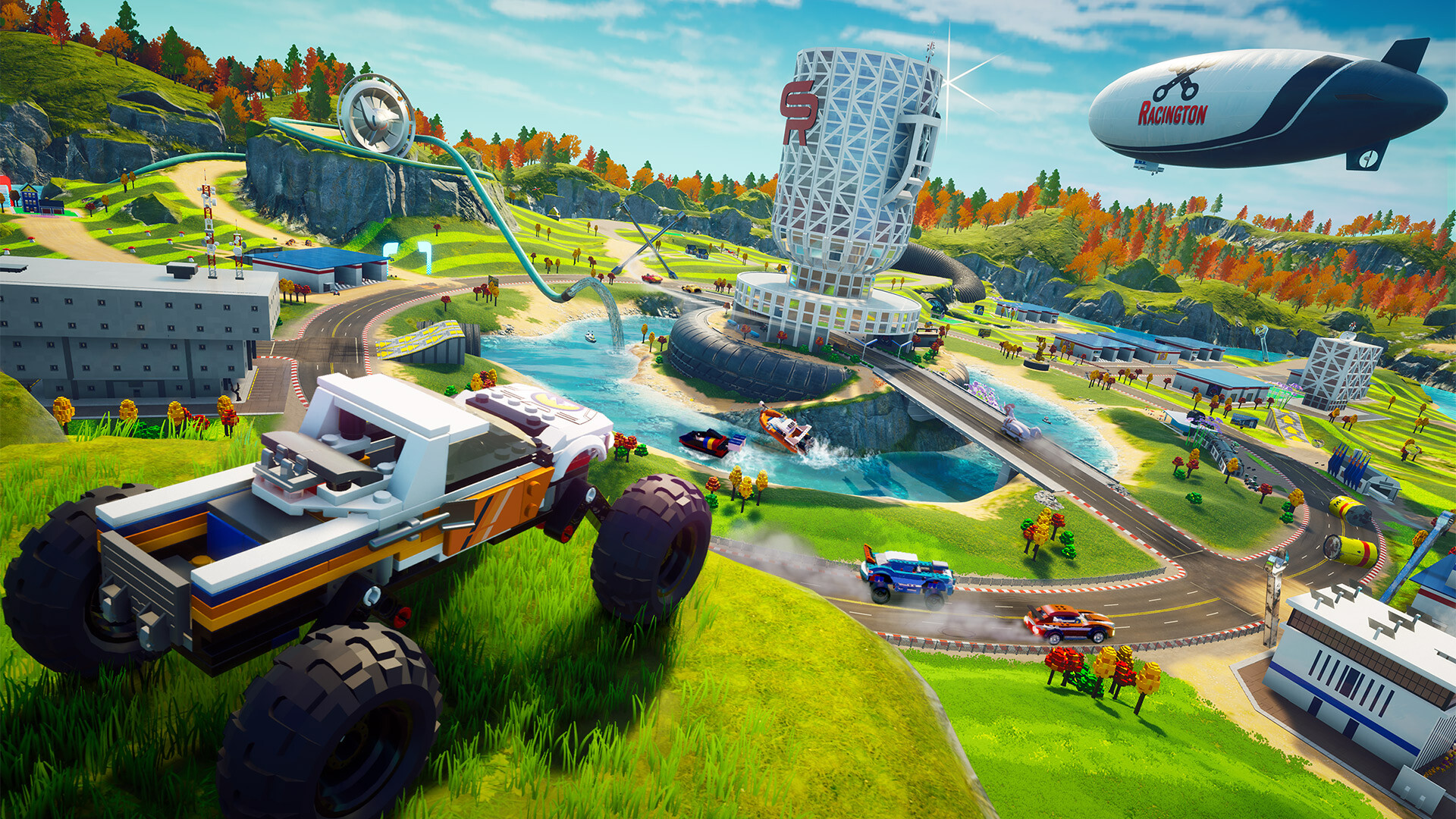
The tradeoffs were immediate. Players with high-end rigs could experience the full vision, but those on the lower end faced frame rate instability, texture pop-in, and occasional stuttering—even in open areas. The game’s developers acknowledged these constraints, framing them as part of the experience rather than bugs. The message was clear: this wasn’t a title for everyone; it was a statement about what games could look like if they pushed resolution to its absolute limit.
Now, as the service is delisted and online play winds down, the conversation shifts from performance metrics to legacy. LEGO 2K Drive proved that high-resolution gaming isn’t just about raw power—it’s about how software manages that power. It forced hardware vendors to reconsider memory bandwidth, texture compression, and draw call efficiency. And it left a question unanswered: if 2K was the ceiling, what happens when displays move beyond 4K? Will games ever again demand this level of detail, or is LEGO 2K Drive a relic of an era where resolution was a luxury rather than a standard?
For IT teams and developers, the story isn’t just about the end of a game. It’s a reminder that pushing boundaries always comes with tradeoffs—some visible, some hidden. LEGO 2K Drive was ahead of its time in many ways, but it also showed that time catches up to even the most ambitious designs.