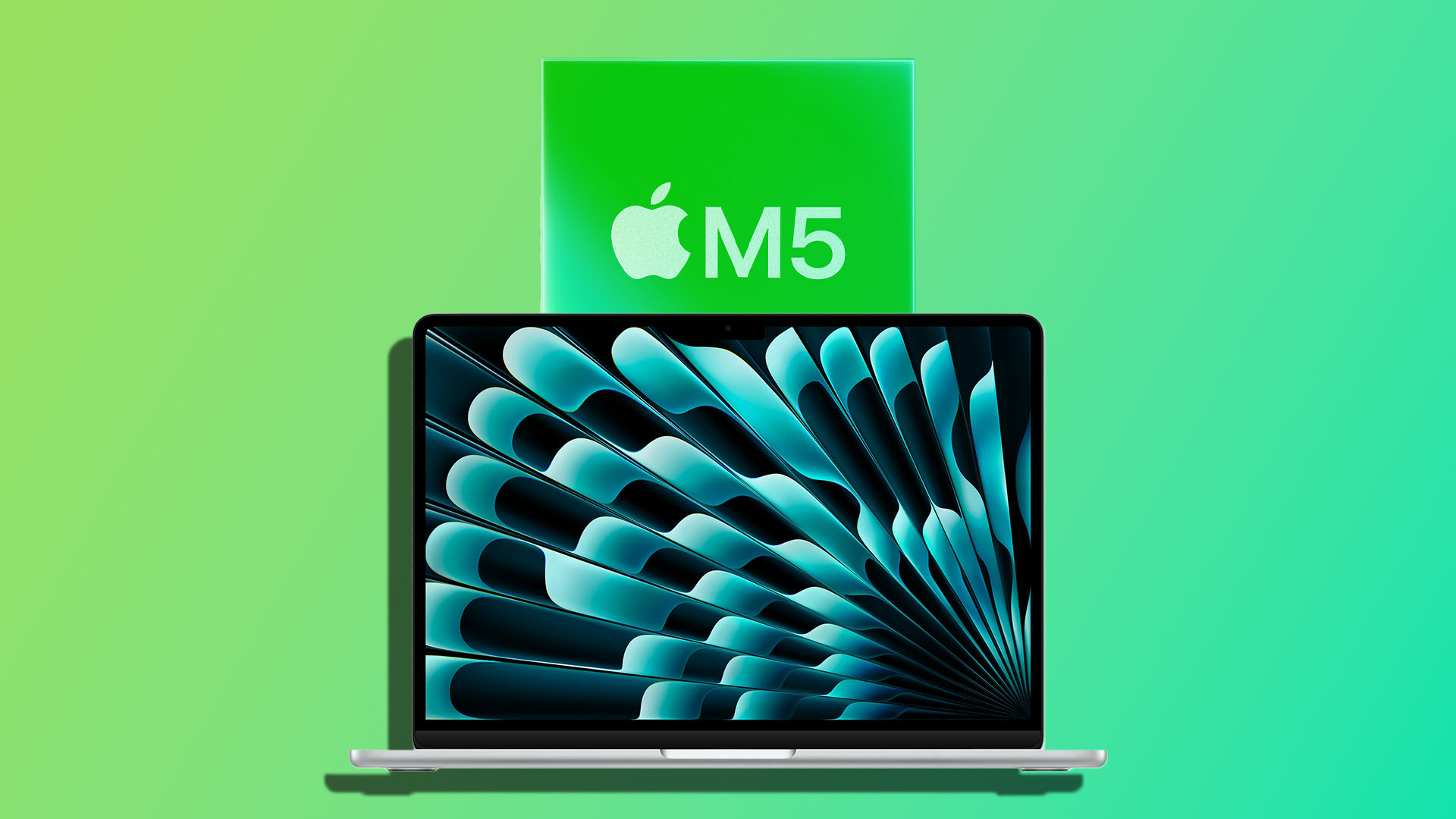
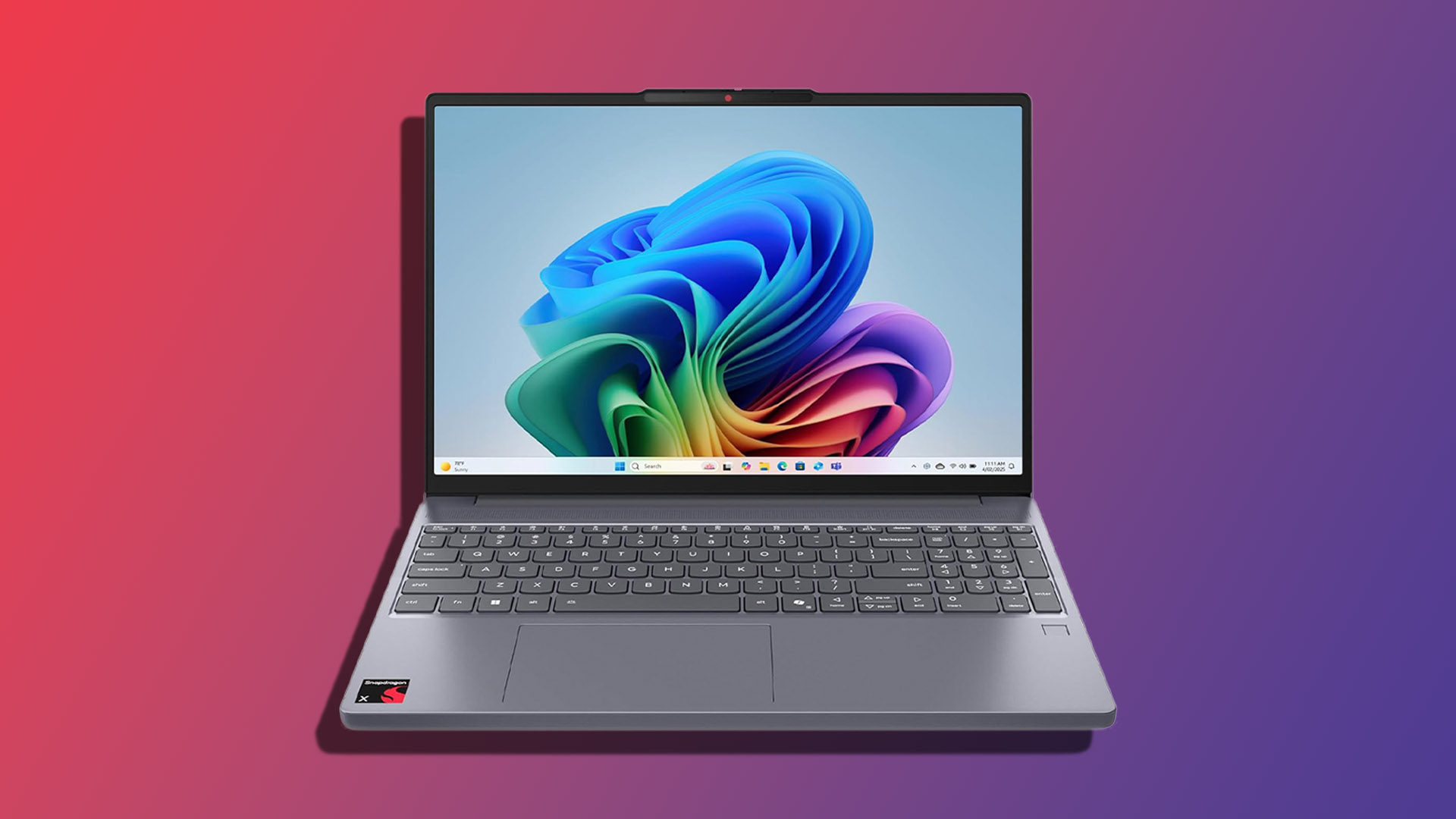
Lenovo’s IdeaPad Slim 3X has emerged as a notable Windows counterpart to Apple’s MacBook Neo, delivering comparable performance without the premium price tag. Unlike many ultrabooks that prioritize portability over power, this model balances both with a substantial 16 GB of RAM and 512 GB SSD—a configuration that directly challenges the MacBook Neo’s own specs while pricing nearly $400 lower.
This alignment in specifications is particularly relevant for enterprise buyers evaluating upgrade paths. The Slim 3X, priced at $563, eliminates one of the biggest friction points in Windows ultrabook adoption: the cost gap between entry-level and high-performance models. For organizations that require seamless scalability, this laptop presents a compelling case—not just as an alternative to Apple’s ecosystem, but as a platform that can evolve with future demands without forcing premature hardware refreshes.
Performance Without the Premium Burden
The MacBook Neo’s appeal lies in its streamlined performance, often built around Apple’s custom silicon. The Slim 3X counters this by leveraging Intel’s latest processors, which, while not as power-efficient as Apple’s chips, offer raw computational capacity that suits enterprise workloads—whether it’s data analysis, virtualization, or multitasking across multiple applications simultaneously.
Where the comparison becomes more nuanced is in upgrade timing. The MacBook Neo, with its Apple ecosystem lock-in, tends to have a longer software support cycle, which can be advantageous for enterprises that prioritize stability over immediate hardware upgrades. The Slim 3X, on the other hand, operates within Windows’ traditional update cadence, meaning organizations must factor in potential refresh cycles every few years if they opt for this model.
Why This Matters for Buyers
The real value of the Slim 3X lies in its ability to bridge the gap between Apple’s polished ecosystem and Windows’ flexibility. For enterprise buyers, this translates to a laptop that doesn’t force them into a single vendor’s software stack while still delivering performance on par with higher-priced alternatives. The $563 price point is a hard number to ignore, especially when compared to the MacBook Neo’s starting price of around $963.
Supply and availability remain consistent for the Slim 3X, avoiding the stock issues that have plagued some competitors in this space. This reliability is critical for IT departments that need predictable lead times and reliable delivery, ensuring that procurement plans aren’t derailed by shortages.
The final consideration is who benefits most from this model. Enterprises that operate across both macOS and Windows environments will find the Slim 3X a practical choice, especially if they’ve been holding off on MacBook Neo upgrades due to cost. For organizations deeply invested in Apple’s ecosystem, however, the transition may not be as seamless, given the differences in software integration and hardware optimization.
In the end, the IdeaPad Slim 3X isn’t just a Windows alternative—it’s a redefinition of what an enterprise-grade ultrabook should cost. For buyers willing to step away from Apple’s ecosystem without sacrificing performance, this laptop offers a rare opportunity to get double the specs for less than half the price.