Small businesses upgrading their workflows often face a simple choice: performance or compatibility. The Lenovo Yoga Slim 7x attempts to deliver both, packing in 12th Gen Intel Core processors and up to 8 GB of LPDDR5 RAM, but the trade-off may not always be worth it.
On paper, the Yoga Slim 7x is a strong contender for productivity. It’s built around Intel’s latest CPU architecture, which promises better power efficiency and multitasking capabilities. The inclusion of 8 GB of low-power DDR5 RAM ensures smooth performance even when juggling multiple applications or running resource-heavy tasks like video editing or data analysis. However, the real question isn’t just about raw power—it’s about whether this upgrade aligns with existing software stacks and long-term roadmaps.
Performance Meets Practicality
The Yoga Slim 7x’s specifications are designed for flexibility. The 12th Gen Intel processor, paired with up to 8 GB of LPDDR5 RAM, positions it as a machine that can handle both everyday office tasks and more demanding workloads. For small businesses, this could translate to faster boot times, improved battery life, and the ability to run multiple virtual machines or cloud-based applications without lag. The catch? This flexibility comes with a cost—both in terms of price and ecosystem compatibility.
Compatibility Risks for Small Businesses
- 8 GB LPDDR5 RAM (expandable up to 16 GB)
- 12th Gen Intel Core processors (i5 or i7)
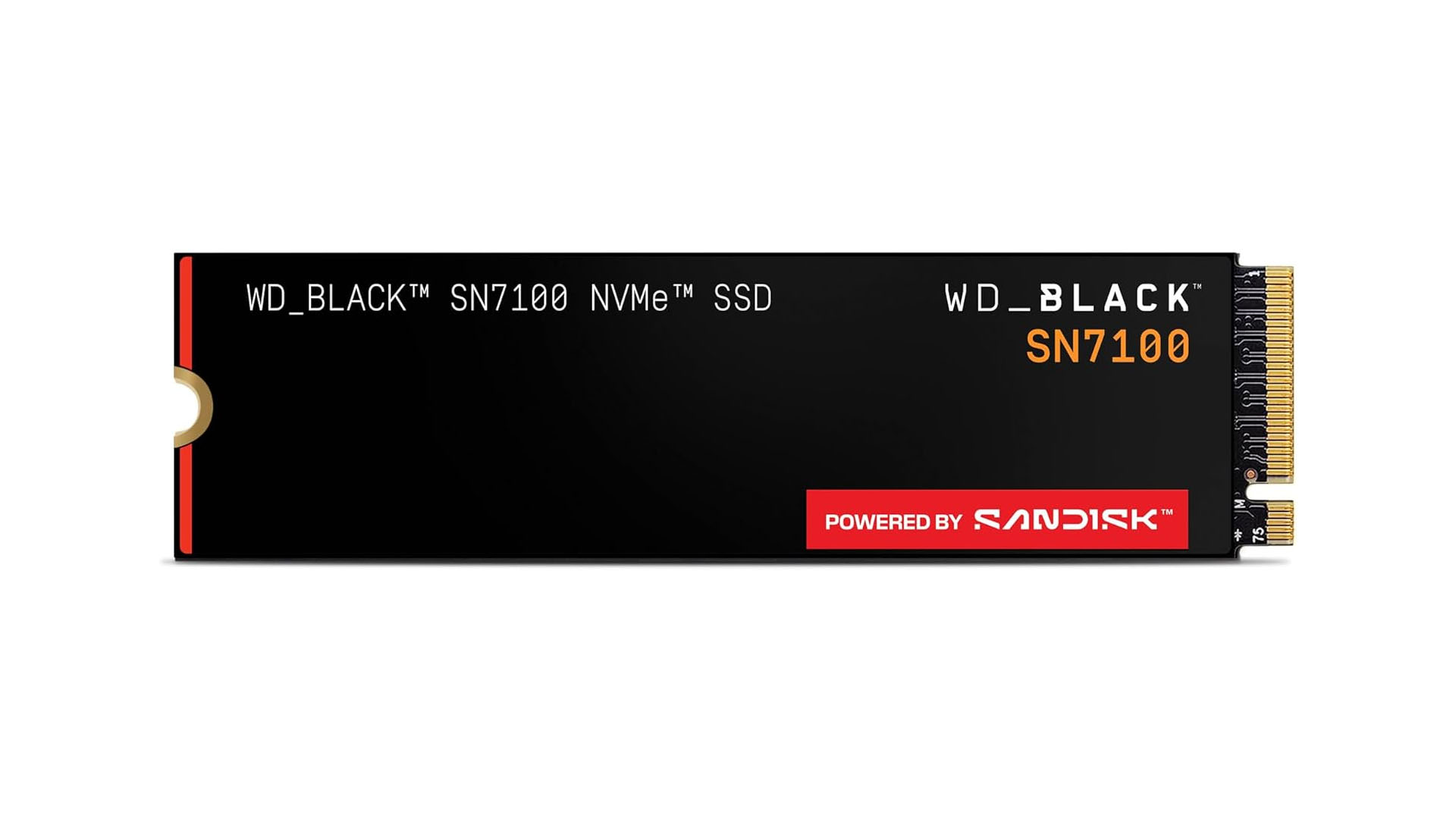
- Up to 2 TB PCIe 4.0 SSD storage
The Yoga Slim 7x’s hardware is impressive, but its real-world impact depends on how well it integrates with existing software and platforms. Small businesses often rely on legacy systems or specialized industry applications that may not fully leverage the latest CPU architectures. While Intel’s 12th Gen processors offer significant performance gains, some older enterprise software might not be optimized for these chips, leading to potential bottlenecks or compatibility issues. Additionally, the shift to LPDDR5 RAM could introduce new challenges if existing workflows are built around older DDR4 standards.
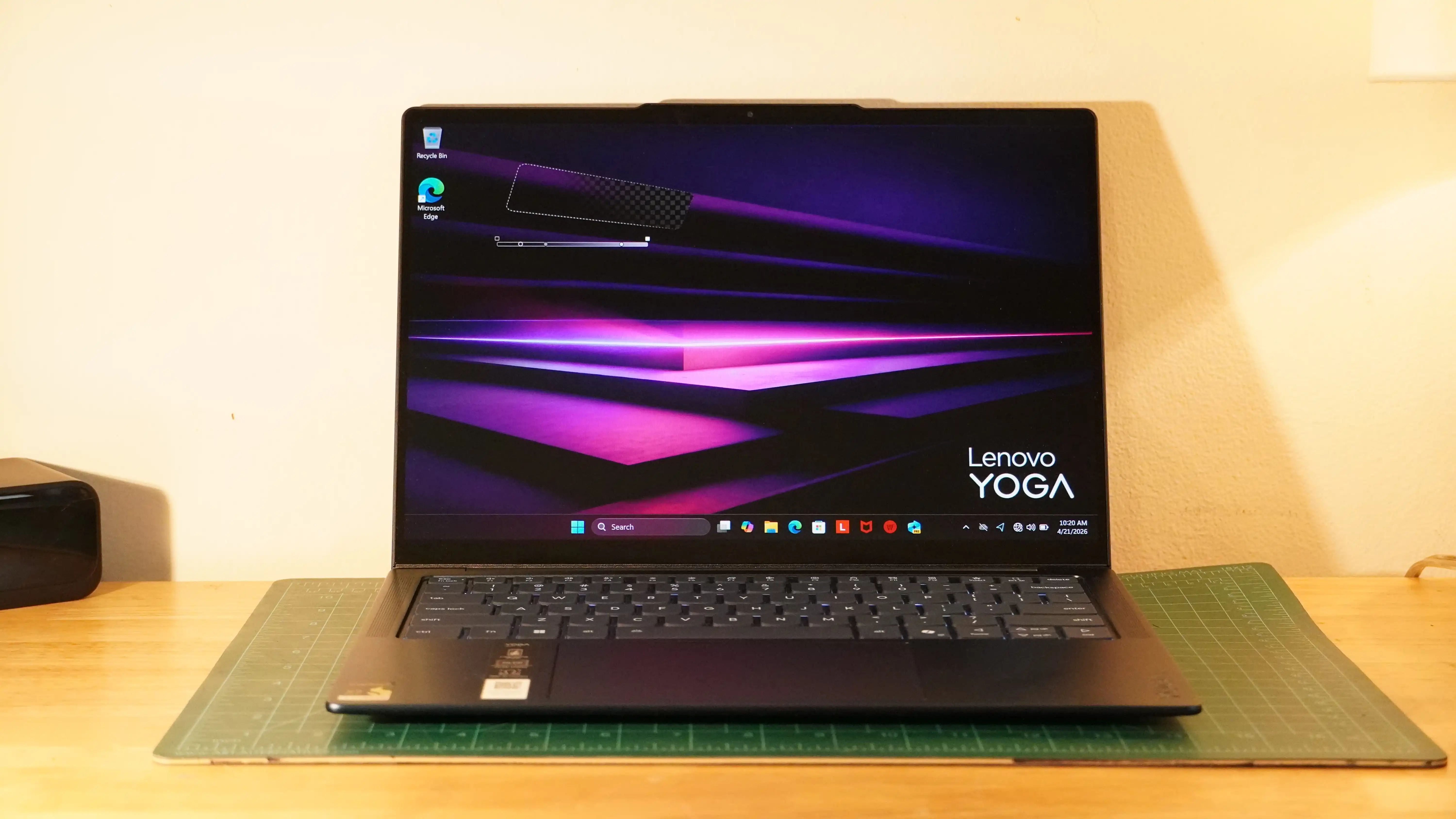
That’s the upside—here’s the catch: The Yoga Slim 7x is a powerful machine, but its full potential may not be realized if it doesn’t fit seamlessly into a business’s current ecosystem. Small businesses need to weigh whether the performance boost justifies the risk of compatibility issues or whether waiting for more mature software support would be a safer bet.
The Yoga Slim 7x also introduces another layer of complexity: its roadmap. While Lenovo has positioned it as a future-proof device, small businesses must consider how long this model will remain relevant in their industry. The rapid pace of hardware evolution means that even the most advanced laptops today could become outdated in just a few years. For small businesses, this raises the question of whether investing in the Yoga Slim 7x now is a strategic move or if they should hold off for a more stable release.
Ultimately, the Lenovo Yoga Slim 7x represents a significant leap forward in performance, but it’s not without its risks. Small businesses must carefully evaluate their current needs and long-term goals before making an upgrade decision. The promise of power is compelling, but compatibility and roadmap considerations could very well determine whether this laptop becomes a game-changer or just another expensive addition to the office.