The Linux gaming ecosystem is entering a new era of collaboration. After years of fragmented development, distros like Bazzite, Nobara, Asus Linux, and PikaOS have united under the Open Gaming Collective (OGC), a cross-distribution initiative aimed at creating a unified foundation for gaming on Linux. The goal? To eliminate redundancy, improve hardware compatibility, and make game development easier by aligning key components across different distributions.
This isn’t just about Fedora-based distros like Nobara or Bazzite. Debian-based PikaOS and Arch-based ChimeraOS are also part of the effort, alongside SteamOS’s parent framework. By pooling resources, developers can focus on shared challenges—like input handling, kernel patches, and performance optimizations—rather than reinventing solutions for each distro.
The Shared Kernel: A Path to Better Hardware Support
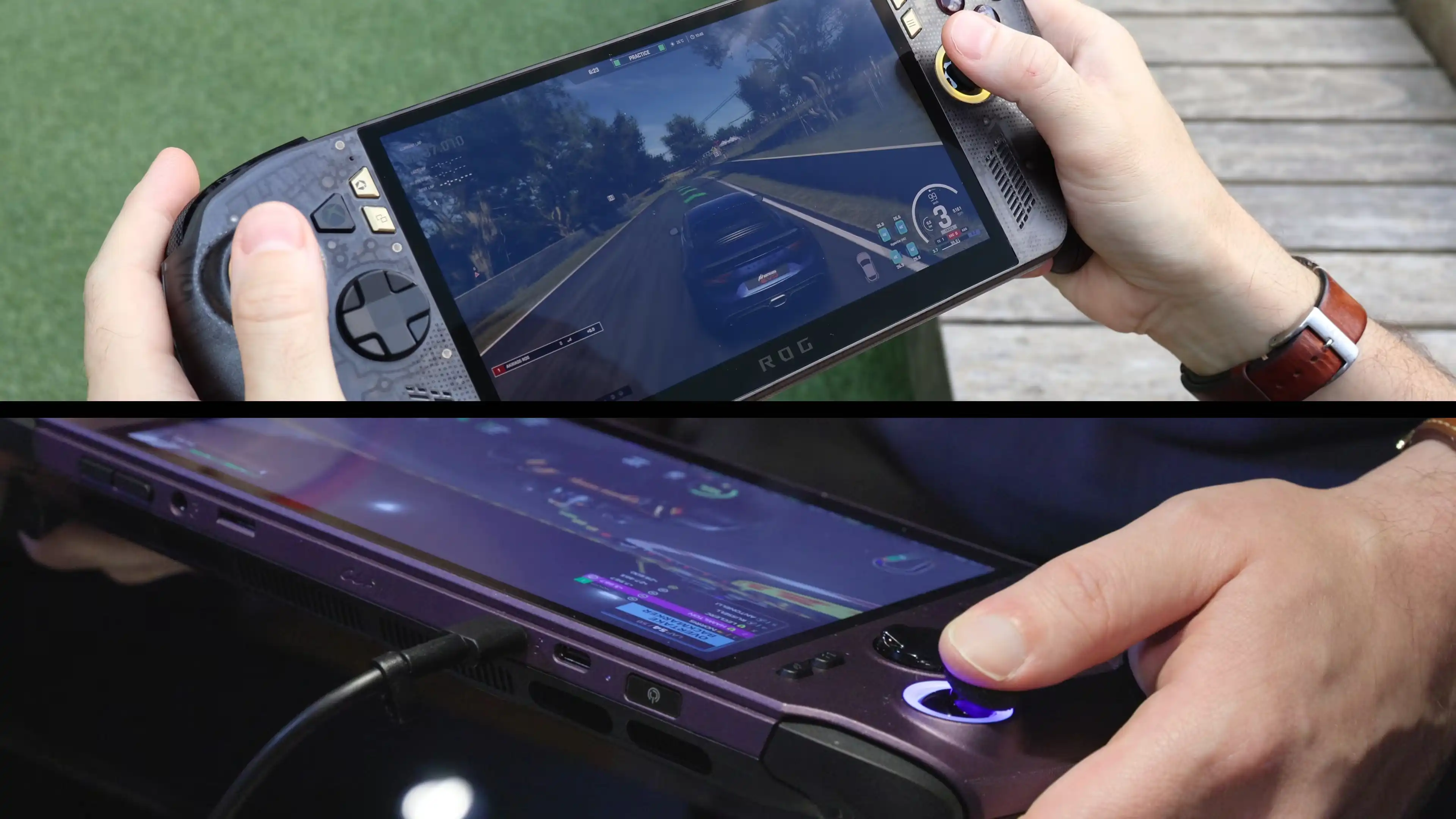
The OGC’s most ambitious project is a shared kernel built on an upstream-first approach. Every patch proposed by the collective will first be submitted to the Linux kernel maintainers, ensuring broader compatibility and reducing the risk of fragmentation. Bazzite, for example, will abandon its custom Handheld Daemon (HHD) in favor of InputPlumber, the same input framework already used by SteamOS, Nobara, and several handheld-focused distros. This shift means fewer bugs, better device recognition, and a more consistent experience across Linux gaming setups.

For players, this could translate to smoother gameplay on unsupported hardware—like certain controllers or peripherals—and fewer compatibility quirks. Game developers, meanwhile, would face a more predictable environment, as the underlying systems become standardized. The collective’s influence could even extend to mainstream platforms, making it easier for services like GeForce Now or game studios to optimize for Linux without extensive porting work.
Who Stands to Gain?
The OGC’s work isn’t just technical—it’s a strategic move to position Linux as a first-class citizen in gaming. Here’s who benefits
- Players: Better hardware support, fewer distro-specific quirks, and a more stable gaming experience across different Linux setups.
- Developers: Reduced effort in testing and optimizing for multiple distros, thanks to shared infrastructure.
- The Linux community: A stronger, more unified voice in pushing for kernel-level improvements that benefit all users.
- Hardware manufacturers: Easier integration of drivers and peripherals, as the collective ensures compatibility from the ground up.
While the initiative is still in its early stages, the participation of major distros signals a turning point. The collective’s focus on upstream contributions—rather than proprietary patches—could accelerate adoption of Linux in gaming, especially as services like GeForce Now and Steam Deck continue to blur the lines between Windows and open-source platforms.
The question now isn’t whether Linux gaming will succeed, but how quickly it can close the gap with traditional operating systems. With the OGC’s efforts, that gap might just be shrinking faster than ever.