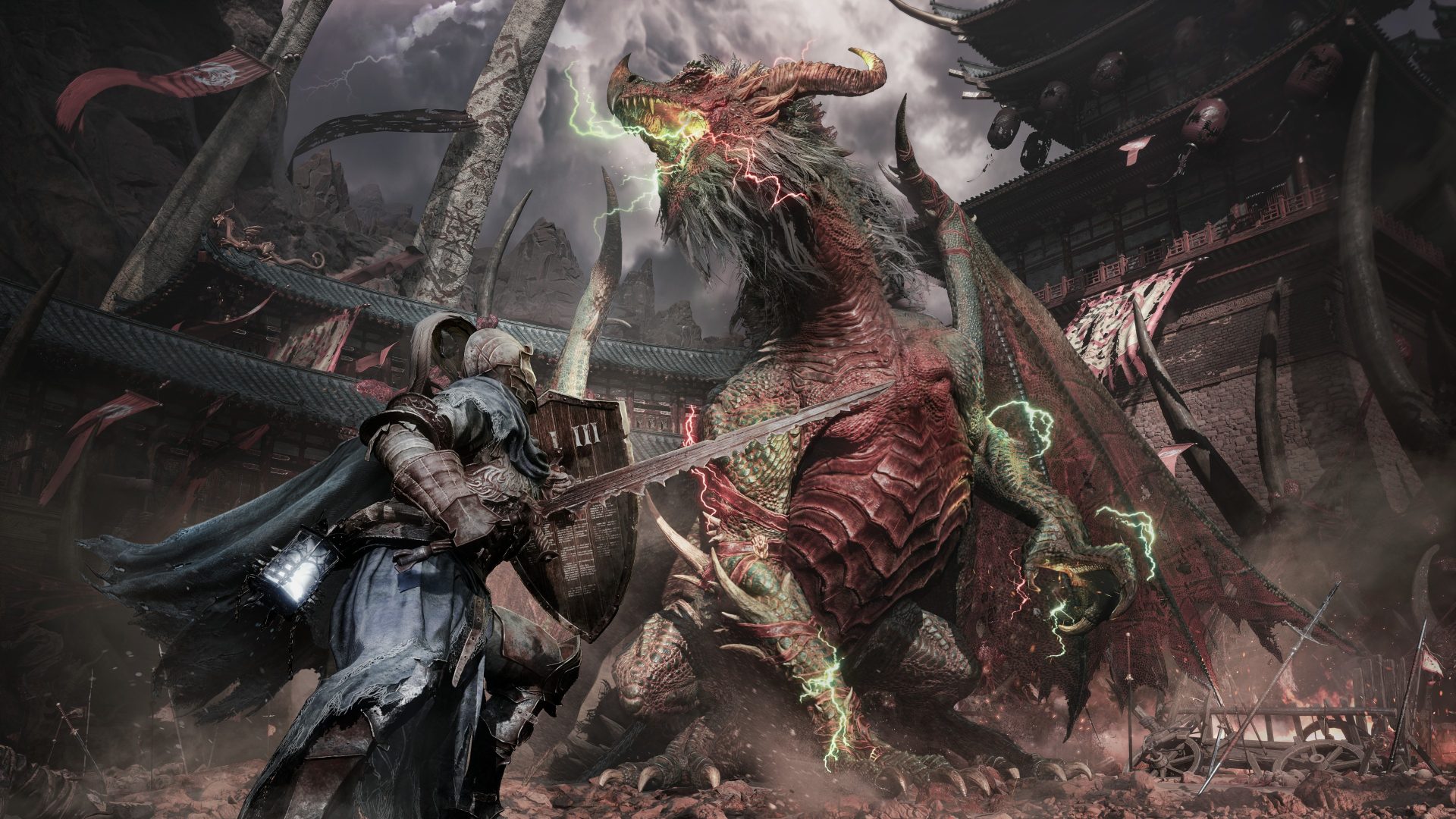
The developers behind Lords of the Fallen II have fundamentally rethought one of the game’s most distinctive features: the dual-realm mechanic. The Umbral world, which in the first game felt more like an obstacle than an integral part of gameplay, has been overhauled into a system that reacts to player presence, offering a sense of immediacy and danger. This shift is designed to make exploration feel less like a chore and more like navigating a living, breathing threat.
Central to the redesign is the removal of rigid time limits. Instead of a ticking clock that forced players to rush through the realm, Umbral now responds dynamically to player actions. The environment becomes an active participant in the experience—enemies adapt, biomes shift, and the veil between realms feels thinner, almost as if it could snap at any moment. This approach is meant to blur the line between traditional Soulslike combat and horror, demanding constant vigilance from players.
Visual variety has also been a key focus. The original Umbral realm lacked distinct biomes and enemy diversity, leading to criticism about its repetitive design. Lords of the Fallen II introduces new morph enemies that transform from standard Axiom creatures into 'horrific Umbreal abominations,' along with varied terrain that reinforces the realm’s unsettling atmosphere. These changes aim to shift player expectations, making the experience feel less predictable and more immersive.
The developers have emphasized a commitment to respecting players' time, a lesson learned from the first game’s rocky launch. Post-launch updates addressed many of its issues, and this philosophy is being applied to the sequel. While the original Lords of the Fallen had notable flaws, the team has taken feedback seriously, aiming to create a more polished and engaging experience without sacrificing the series’ signature intensity.
For players who found the first game’s Umbral realm frustrating or repetitive, this iteration promises to change that dynamic. The goal is to make the transition between Axiom and Umbral feel seamless yet disruptive—an invasive force that bleeds into the player’s world rather than a separate stage to be endured. Whether this approach succeeds in balancing challenge with reward remains to be seen, but it signals a clear effort to evolve the series while staying true to its roots.