A shift is underway in compact computing, where the constraints of size no longer dictate limitations in performance or connectivity. The latest mini host, powered by Intel’s N304-AI processor from the Wildcat Lake family, introduces dual LAN ports—a feature that was once a hallmark of larger, more expensive systems—into a form factor designed for desktops and shelves.
This model doesn’t just add ports; it rethinks what a mini host can achieve. The N304-AI processor is engineered to handle AI workloads with greater efficiency than its predecessors, ensuring smoother performance in tasks like network management or home automation. The dual LAN ports provide an added layer of reliability, offering redundant connections that minimize the risk of dropouts—a concern often overlooked in smaller devices.
For users accustomed to older mini hosts, the difference is immediate. Single-port networking and weaker processors were once standard, but this new generation delivers a noticeable upgrade in speed while maintaining a compact footprint. The result is a device that can handle advanced tasks without requiring additional space or cost, making it ideal for small offices or home environments where both performance and reliability are priorities.
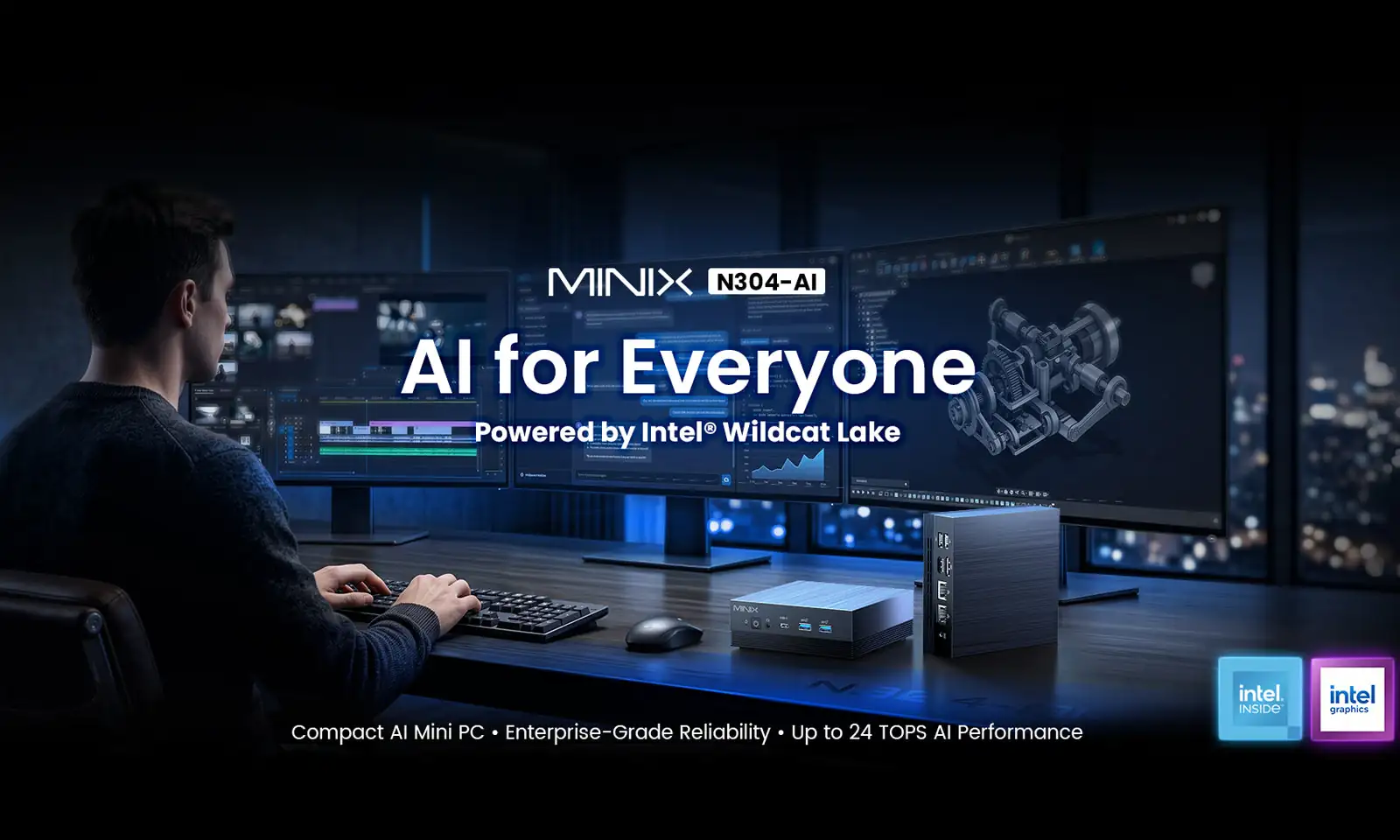
The integration of AI capabilities further sets this model apart. Unlike earlier versions that relied on general-purpose processing, the N304-AI is optimized for scenarios demanding faster, more responsive computing—whether managing multiple network connections or executing AI-driven automation. This makes it a versatile choice for deployments where both connectivity and processing power are critical.
Looking ahead, this model could redefine expectations for mini hosts. By combining dual LAN ports with AI-enhanced performance in a small package, it bridges the gap between compact size and advanced functionality. For buyers who need robust networking without sacrificing space, this evolution marks a significant step forward in what’s possible in mini computing.