Thin-client management has just received a major boost with the release of Manager v5.5. This update is designed to address the growing demands of organizations that rely on large fleets of thin clients, delivering enhanced scalability and performance that could redefine how these systems are managed.
The new version introduces several key improvements under the hood. It now supports a maximum of 2048 simultaneous connections per server, a significant jump from previous limits. This means organizations can manage larger numbers of thin clients without sacrificing efficiency or performance. Additionally, the update includes optimizations for CPU and memory usage, ensuring that even the most resource-intensive tasks run smoothly.
For enthusiasts and IT professionals, the technical details are compelling. Manager v5.5 introduces a new architecture that reduces latency and improves data throughput. It also supports NVIDIA GRID vGPU, allowing for better graphics performance in virtualized environments. These changes are particularly beneficial for organizations that rely on high-performance thin clients for tasks like 3D rendering or video editing.
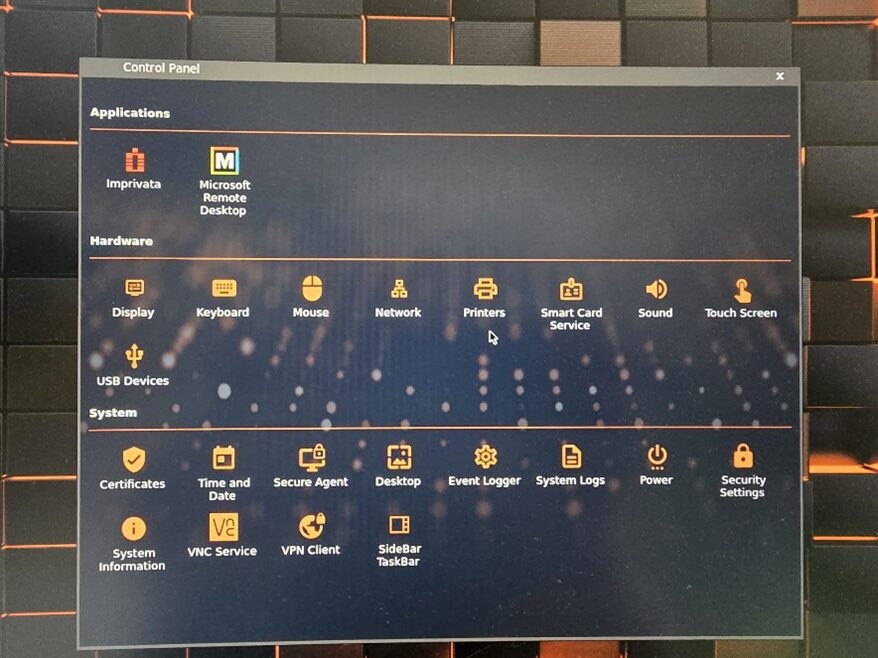
But what does this mean for everyday users? For organizations managing large fleets of thin clients, Manager v5.5 offers a more reliable and efficient solution. The increased scalability means fewer servers are needed to manage the same number of thin clients, potentially leading to cost savings. The improved performance also translates to faster response times and smoother operations, which is crucial for maintaining productivity in large-scale deployments.
For those considering Manager v5.5, it's important to note that the update is available now at no additional cost for existing users. New users can also take advantage of this version right from the start. With these improvements, Manager v5.5 could become a standard tool in the thin-client management landscape.
What to watch next: Keep an eye on how organizations leverage these new capabilities, particularly in industries where high-performance thin clients are critical. The focus should be on real-world efficiency gains and cost savings that this update promises to deliver.