At CES 2026, the spotlight wasn’t just on processors and GPUs—it was also on the materials shaping laptop designs.
Lenovo introduced a carbon-fiber chassis in its ThinkPad X1 Carbon Gen 14 Aura Edition, weighing just 2.2 pounds while leveraging biological carbon fiber and recycled magnesium-aluminum alloys for sustainability without compromising strength. The carbon-fiber plate is entirely derived from biological sources, setting a new benchmark for eco-conscious engineering.
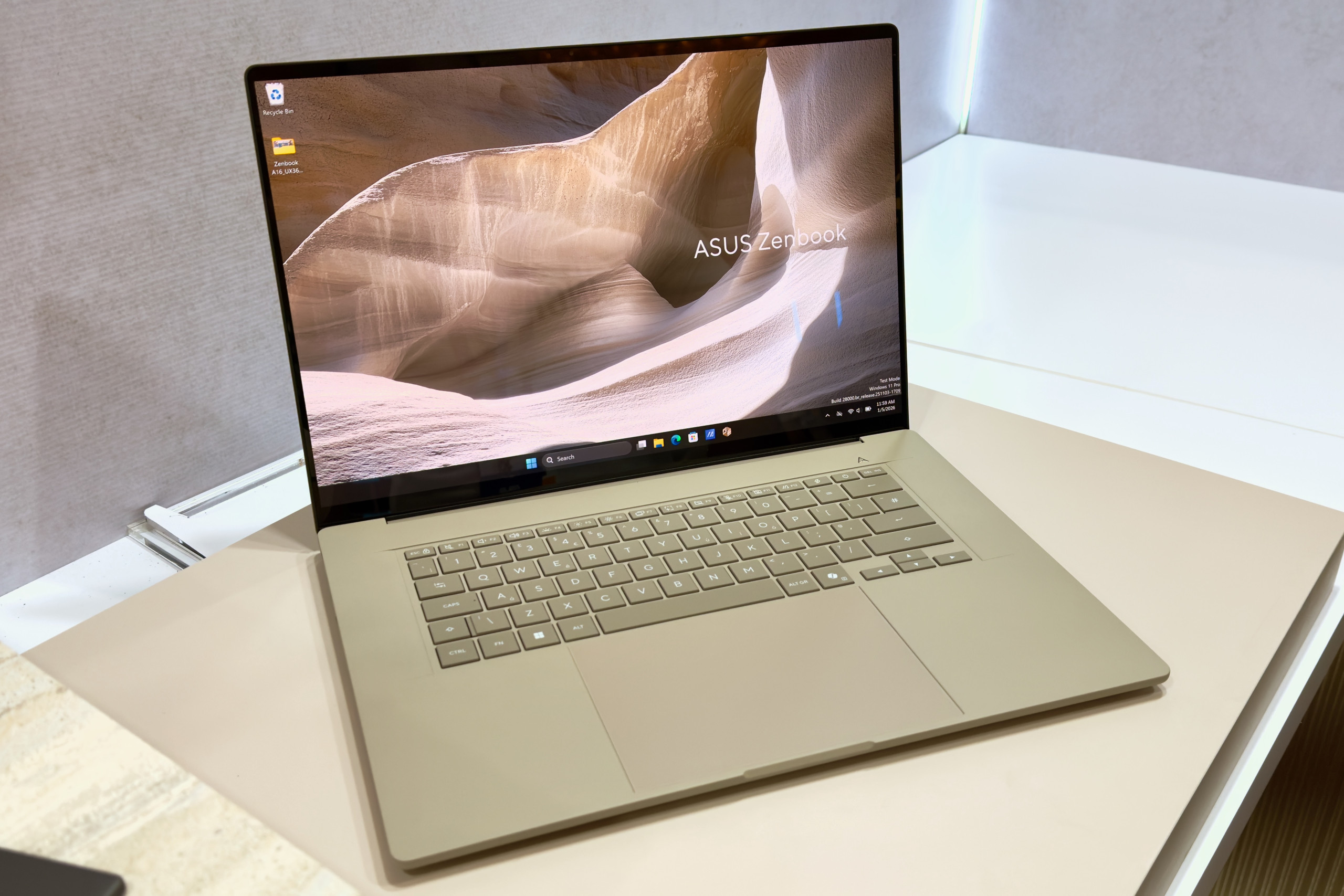
Asus, meanwhile, unveiled its ceraluminum material—a ceramic-bonded aluminum hybrid—used in the Zenbook A14 to achieve both lightweight and durability advantages over traditional aluminum. This approach allows the chassis to feel distinct under touch while maintaining robustness, challenging perceptions of what a premium metal laptop should be.
HP took a different route with forge-stamped metal construction in the OmniBook Ultra 14, designed to evoke the solidity of forged steel for enhanced durability and user confidence. This method contrasts with conventional CNC-milled aluminum, offering a heavier yet more resilient alternative that appeals to users prioritizing longevity.
Magnesium alloys remain a key player, balancing weight reduction and strength, though they are prone to scratching compared to aluminum. The OmniBook 7 Aero exemplifies this with its premium magnesium-aluminum alloy frame, catering to those seeking both portability and a refined aesthetic without the cost premium of carbon fiber.
Recycled materials are also gaining traction across brands, with Lenovo’s ThinkPad X1 Carbon Gen 14 highlighting recycled carbon fiber alongside responsibly sourced metals. This shift reflects broader industry efforts to integrate sustainability into product design while addressing growing consumer demand for eco-friendly alternatives.
The practical impact of these material choices is undeniable: weight reductions, durability improvements, and tactile refinements are now critical differentiators in a market where hardware specs alone no longer define premium status. As laptops increasingly converge on similar internal components, the physical experience—how a device feels in hand—is becoming a decisive factor for manufacturers.
Looking ahead, expect further innovation in material science to drive differentiation, with carbon fiber likely to expand beyond niche applications as production costs stabilize. The era of plastic versus metal is over; the future lies in hybrid materials and sustainable alloys that redefine what ‘premium’ means in portable computing.