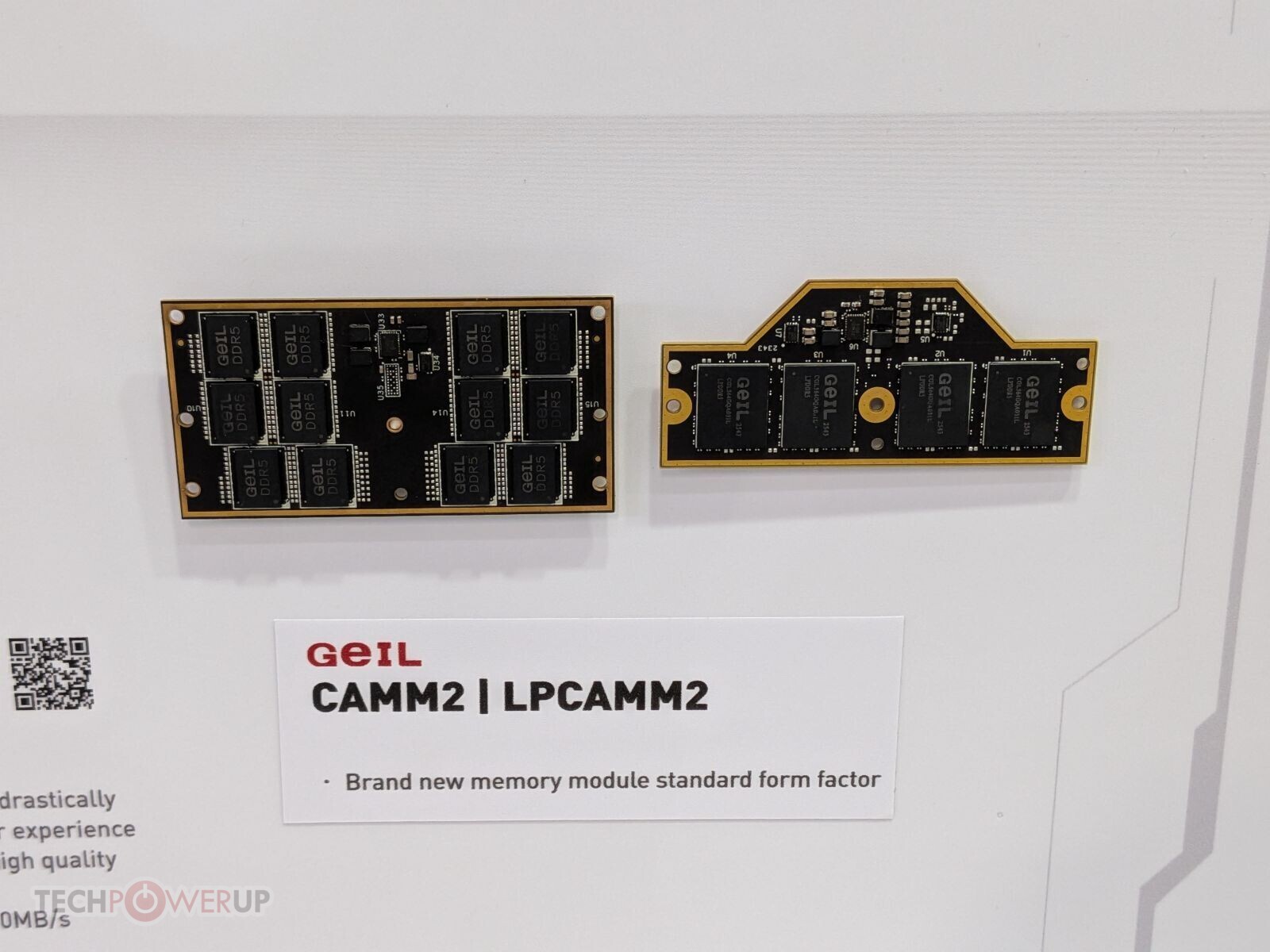
Memory chips have emerged as the most profitable semiconductor category, outpacing entire businesses built on software and cloud infrastructure. Samsung’s memory division now generates higher operating profits than Amazon, Meta, or Microsoft combined, despite producing significantly less revenue. This shift is not merely about scale but reflects how AI-driven workloads have made memory the most critical component in modern computing.
The financial discrepancy highlights a deeper transformation. Samsung’s memory unit achieved 23.1% operating profit margins in the second quarter—higher than Meta’s 24% or Microsoft’s 28%. More notably, its profit alone exceeds the net income of all three rivals combined. While Samsung remains a diversified conglomerate, this segment now drives more value than any other part of its business. The implication is clear: in an AI-driven economy, memory is no longer a commodity but a strategic asset with outsized economic influence.
Physical Constraints Drive Efficiency
The primary driver behind this shift lies in the fundamental requirements of artificial intelligence. Unlike traditional computing, where processing power was the dominant factor, AI workloads are constrained by data access and storage speeds. A single large-language-model training session can demand petabytes of information, pushing memory systems to their operational limits. Samsung has responded by optimizing DRAM and NAND flash at a level that competitors struggle to match without significant capital investment.
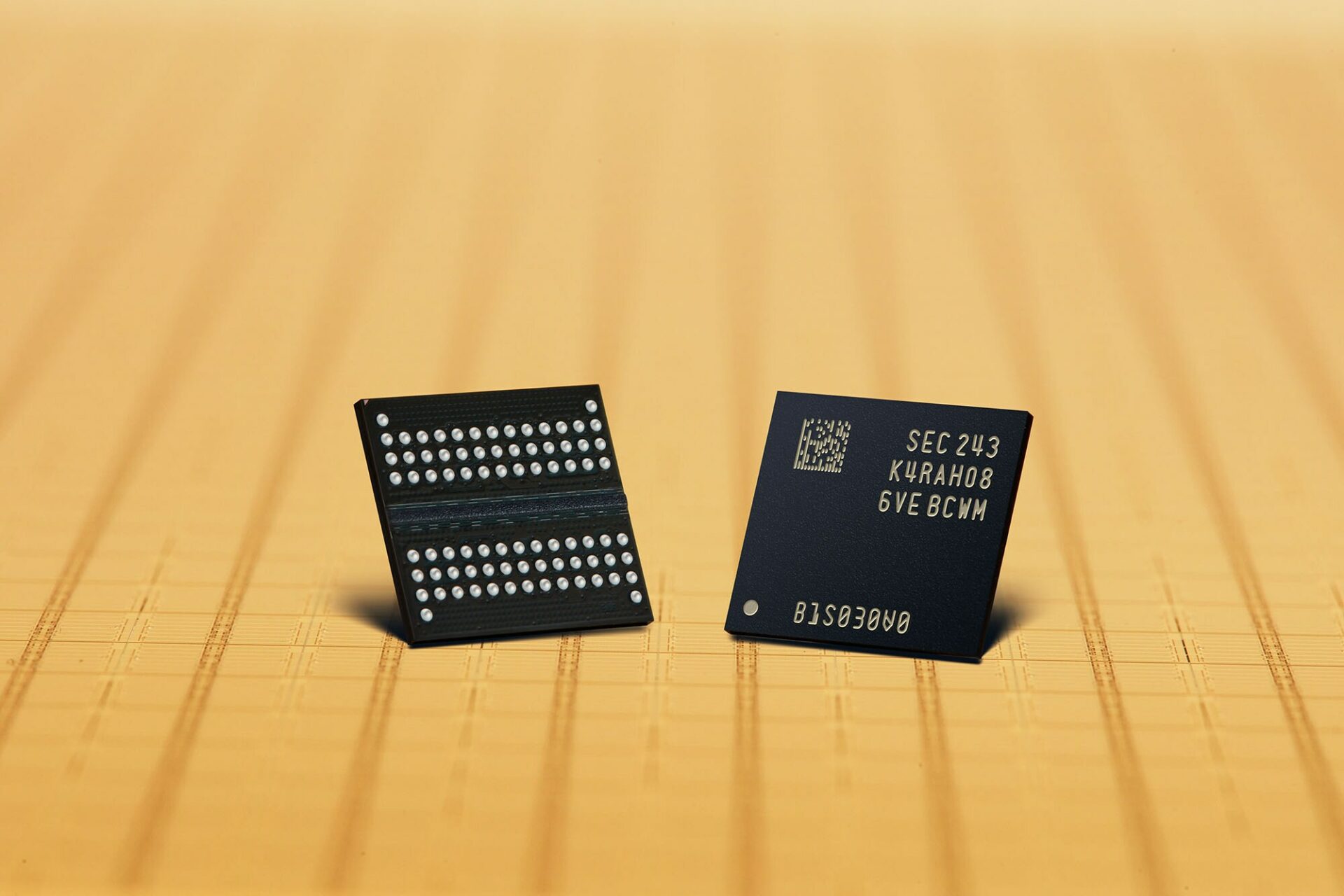
Key performance metrics underscore this advantage. Samsung’s latest LPDDR5X modules deliver 8.5 GB/s per pin with power consumption below 2 watts per gigabyte—efficiency figures that directly influence data center operators’ decisions. A modern AI server consuming 10 kilowatts per rack can only achieve peak performance if its memory subsystem meets these benchmarks. This represents a departure from the past, where compute power alone dictated hardware investments.
Risks and Industry Implications
However, this dominance is not without risks. Memory chips are inherently cyclical, with prices fluctuating by 30% in as little as six months due to supply chain volatility and geopolitical factors. Samsung’s current margins are high but vulnerable to market corrections—a reality that traditional tech giants do not face in their cloud or software businesses. Additionally, while memory is essential for AI, it does not capture the full value chain. The software stack, cloud infrastructure, and application layers remain firmly under the control of Amazon, Meta, and Microsoft—areas where Samsung has no meaningful presence.
Long-Term Industry Rebalancing
The broader consequence is a fundamental rebalancing of tech economics. For decades, industry growth was driven by network effects, software monopolies, and cloud scale. Today, a hardware segment—memory—is proving that physical constraints can be just as powerful an economic force as algorithms. Whether this shift persists depends on Samsung’s ability to sustain its lead in process innovation while competitors invest in vertical integration.
The most significant change is not that Samsung has surpassed its rivals in profitability. It is that memory, once considered a low-margin commodity, has become the primary driver of profit for one of the world’s largest tech companies. This alters how every player in the industry calculates risk, allocates capital, and plans for the future. The era where software defined everything may be over—replaced by an age where hardware efficiency dictates success.