The global memory chip market is at a pivotal moment. After nearly a decade of shortages that forced delays on everything from gaming rigs to data center servers, the industry is poised for stabilization in late 2028. However, this shift may not unfold smoothly, and the consequences could be far-reaching.
Industry observers note that supply constraints will begin to loosen by the end of next year, marking a potential turning point after years of tight inventory. But with manufacturers already investing heavily in new production lines, the risk of oversupply or misaligned demand could create a new set of challenges—this time for those who bet too aggressively on expansion.
What’s Changing: The Shortage’s Endgame
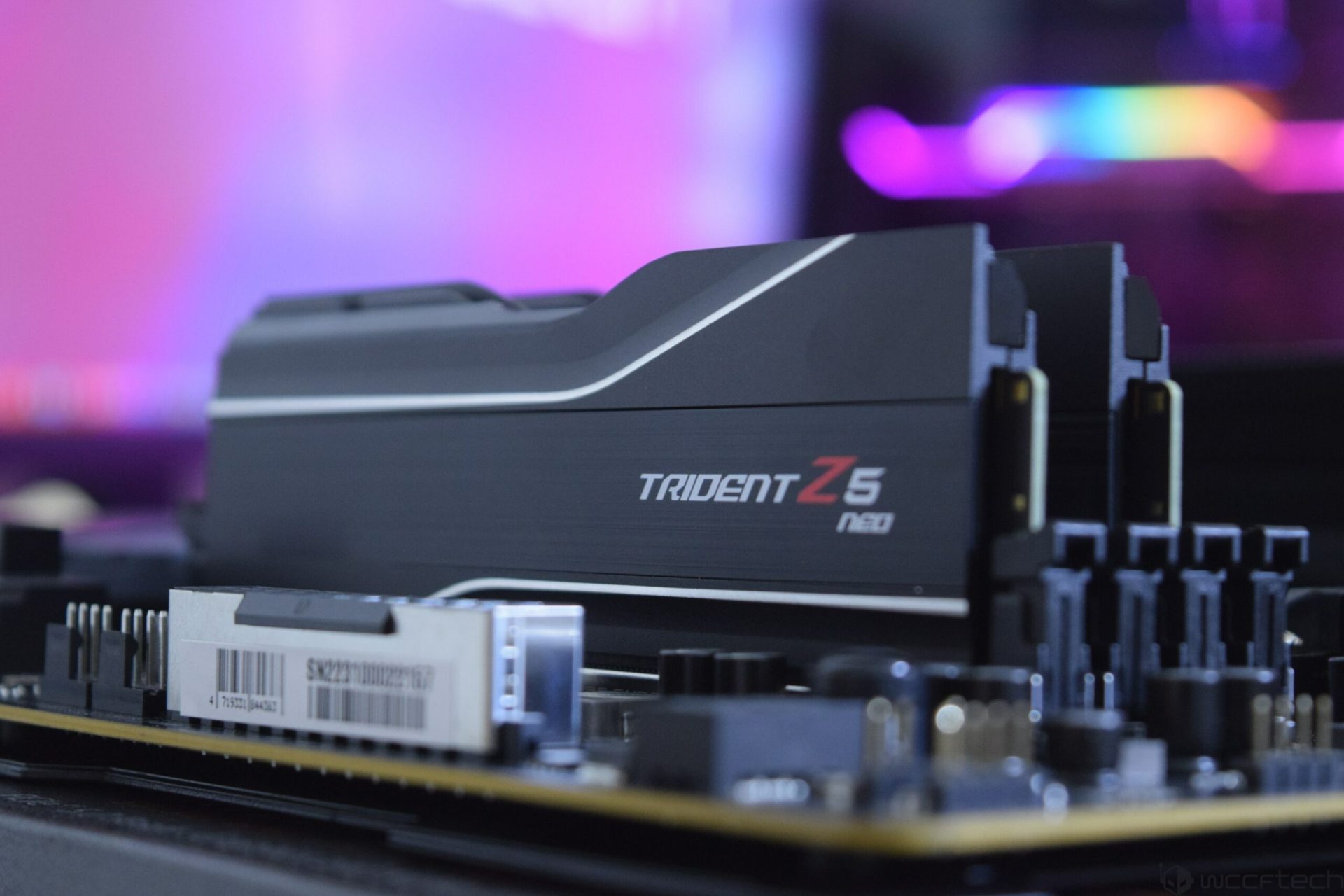
The memory chip landscape has been defined by two key trends since 2019: a surge in demand driven by AI, gaming, and cloud infrastructure, and a supply chain that struggled to keep pace. Prices for DDR5 modules have seen wild swings—peaking at $300 per stick in early 2024 before settling into a more volatile range. Today, they hover around $180, but the underlying tension remains.
Why It Matters: A Balancing Act for Builders
For PC builders and enterprise buyers, the timing of this stabilization is everything. If memory prices drop too quickly, it could destabilize supply chains that have adapted to higher costs. Conversely, if shortages persist longer than expected, the pressure on OEMs to secure inventory will only intensify.
The real risk lies in compatibility. DDR5 modules, now the standard for high-performance systems, require careful matching with motherboards and CPUs. A sudden oversupply of one type of memory (e.g., 3200MHz vs. 4800MHz) could leave builders scrambling to adjust designs mid-cycle—a scenario that would be particularly painful for those who pre-ordered components based on outdated forecasts.
Looking ahead, the market’s ability to self-correct will hinge on two factors: how accurately manufacturers gauge demand and whether they can avoid overbuilding. If history is any guide, neither outcome is guaranteed.
The Road Ahead: What to Watch
The most immediate impact may come from pricing. If memory prices dip below $150 per stick by mid-2028, it could trigger a wave of discounting that catches some buyers off guard. Meanwhile, enterprise customers—who have been shielded from volatility by long-term contracts—will need to monitor whether their suppliers can maintain stability as spot market conditions shift.
For PC builders, the message is clear: hedging will be more critical than ever. Stockpiling memory now carries its own risks, but so does waiting too long. The sweet spot lies in balancing inventory with agility—something that will require a level of foresight most businesses aren’t yet equipped for.
The memory market’s stabilization in late 2028 won’t just end a shortage; it could redefine how the industry operates. Whether that transition is smooth or turbulent remains to be seen, but one thing is certain: those who navigate it best will be the ones who adapt fastest.