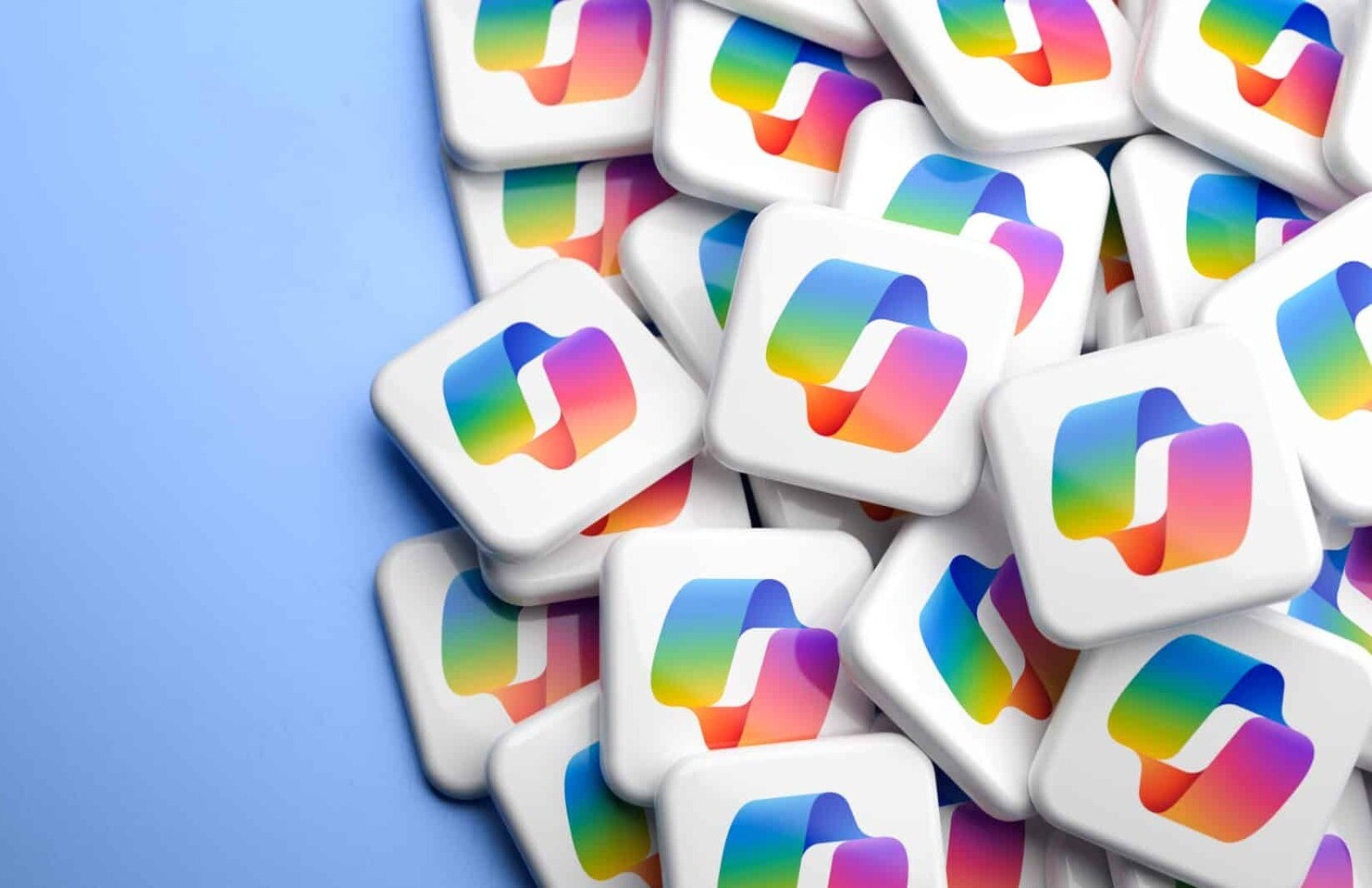
Microsoft's recent push to embed Copilot branding across its product lineup has reached unprecedented levels, with the company now offering 80 distinct Copilot-powered applications, services, and hardware solutions. This extensive integration represents a departure from Microsoft's traditional approach to product differentiation, where unique features and names were the norm.
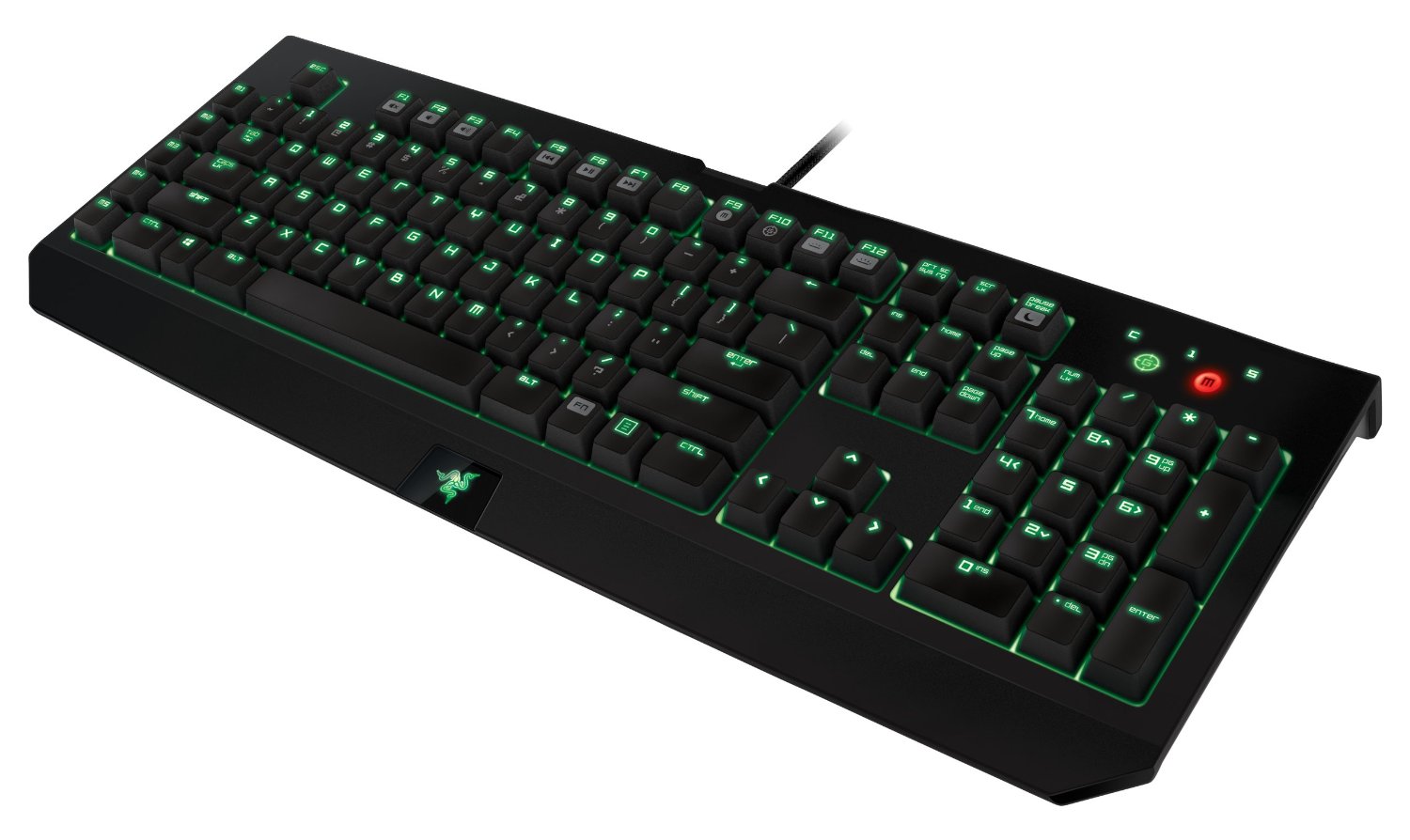
Unlike previous branding campaigns, this initiative spans every vertical of Microsoft's business, from consumer-facing applications like Windows 11 and Microsoft 365 to enterprise platforms and developer tools. The Copilot key on Copilot+ AI PCs is just one visible manifestation of this broader strategy. However, the aggressive rollout has sparked criticism, particularly within the PC enthusiast community, which has long been a cornerstone of Microsoft's user base.
Key Highlights
- Scope: 80 Copilot-branded products, apps, and services across consumer, business, and developer segments.
- Hardware Integration: Dedicated Copilot key on Copilot+ AI PCs and broader hardware support.
- User Feedback: Mixed reactions, with concerns about forced AI integration affecting stability and user experience.
- Future Focus: Microsoft aims to balance Copilot expansion with stability updates starting in April 2026.
The shift toward Copilot has also coincided with a decline in the popularity of Microsoft's ecosystem, particularly among PC users. While Microsoft has acknowledged the need to address user concerns, the extent of the Copilot integration suggests that this is more than a passing trend. The company's investment in AI infrastructure and marketing indicates a long-term commitment to embedding Copilot into its products.
What This Means for Users and Buyers
For IT teams and enterprise buyers, the expansion of Copilot branding introduces both opportunities and challenges. On one hand, the integration of AI tools across Microsoft's suite can streamline workflows and enhance productivity. However, the aggressive rollout may lead to user fatigue or resistance, particularly if stability issues persist.
Microsoft's plan to prioritize stability and bug fixes in future updates signals a potential shift toward a more balanced approach. Whether this will translate into tangible improvements remains to be seen, but it offers a glimmer of hope for users who have grown weary of forced AI integration. For now, the sheer scale of Copilot's presence in Microsoft's ecosystem is undeniable, and its impact on user experience and product strategy will be closely watched.
As Microsoft continues to navigate this complex landscape, the question for buyers is whether the benefits of Copilot justify the potential drawbacks. The answer may hinge on how effectively the company can address user concerns while maintaining its commitment to innovation.