Microsoft’s Xbox division is at a crossroads. With a new leadership team taking the helm and Game Pass Ultimate now priced at $29.99/month—a 50% increase from last year—loyal customers are walking away. The solution? A strategic overhaul of Microsoft Rewards, the loyalty program that once made Game Pass accessible to millions.
Right now, Rewards points—earned through Bing searches, Xbox gaming, or even PC Game Pass play—can only be redeemed for Xbox gift cards, not direct subscriptions. That’s a missed opportunity. Before the shift, 35,000 points bought three months of Game Pass Ultimate ($90 in value). Today, the same points buy just $35 in Xbox credit, leaving long-time users frustrated.
The fix is straightforward: restore direct redemption for Game Pass while slashing the point cost for subscriptions—only for Rewards participants. It’s a way to reward engagement without alienating casual spenders.
Why the current system fails
Microsoft Rewards used to be a gateway to gaming. Earn points for searching Bing, playing Game Pass titles, or even using Xbox features, then trade them for real value. But the program’s value has eroded. Now, points are treated as secondary currency—useful only for small gift cards or in-game purchases, never for the core product they were meant to unlock.
The $29.99/month price tag for Game Pass Ultimate is steep, especially when compared to competitors. Yet Microsoft still charges the same for cash and points—ignoring the fact that Rewards users are already invested in the ecosystem. A tiered approach could bridge that gap.
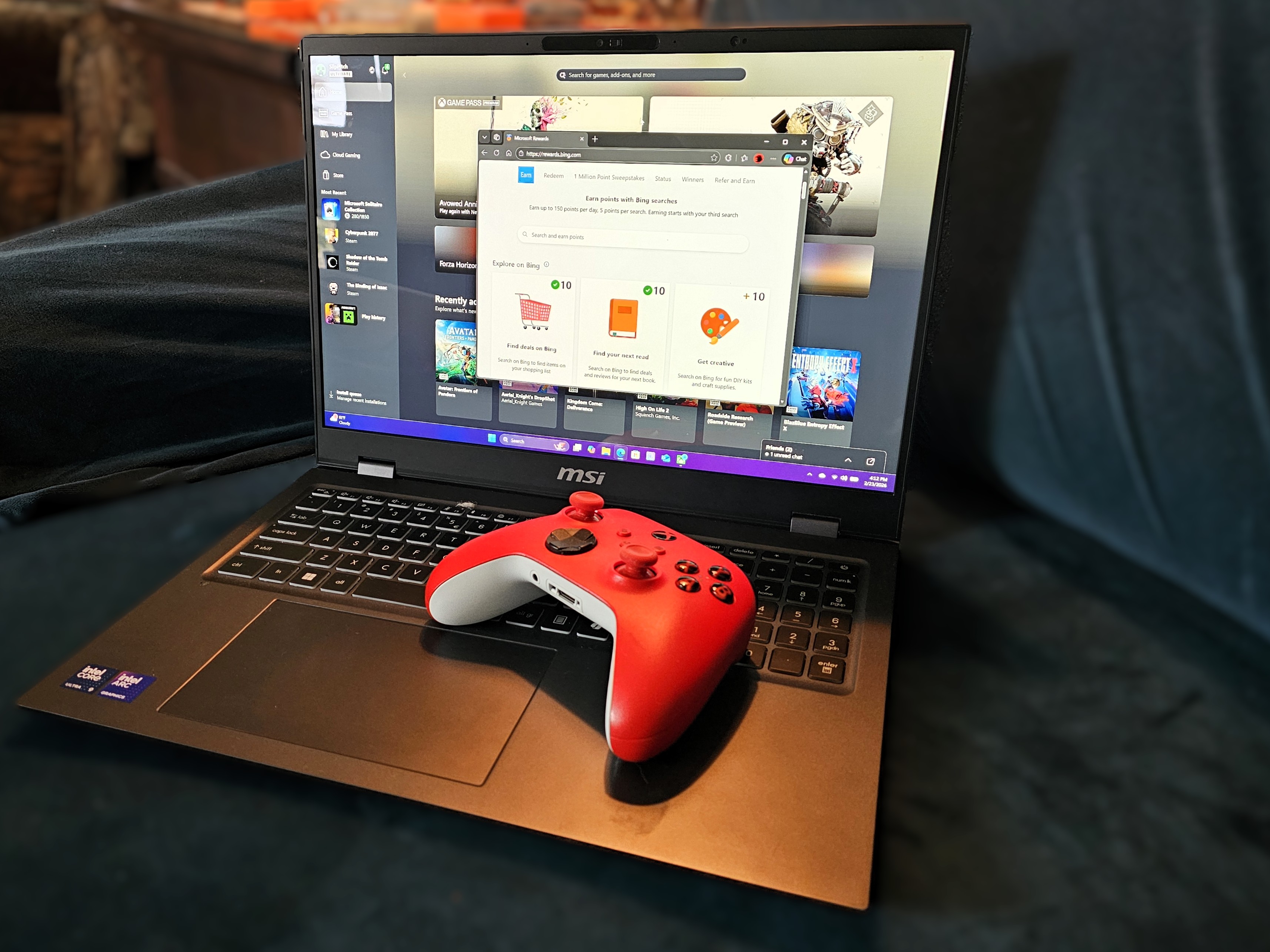
A two-tiered solution
Here’s how it could work
- Rewards-exclusive tier: 35,000 points for three months of Game Pass Ultimate ($90 value), matching the old program.
- Cash rate: Retain the $29.99/month price for non-Rewards users.
This isn’t about subsidizing gaming—it’s about recognizing loyalty. Users who search Bing, play Game Pass, or engage with Xbox deserve better than a devalued points system. And for Microsoft, it’s a chance to rebuild trust before the next console generation arrives.
More than just points
The broader question is whether Microsoft’s new leadership—led by Asha Sharma—will prioritize gaming as a standalone business or fold it into a broader AI-driven strategy. Sharma’s background in AI suggests a focus on integration, but Xbox’s identity has always been built on accessibility. Game Pass was its flagship; making it harder to access undermines that.
Competitors like Steam and PlayStation Plus offer discounts, bundles, or free trials to retain users. Microsoft’s approach should mirror that—especially when its own tools (Bing, Xbox) are the primary way to earn rewards. The fix isn’t complex. It’s about reversing course and proving that loyalty still matters.
Availability for any changes remains unconfirmed, but with new leadership in place, now is the time to act.