Microsoft’s decision to remove NVIDIA GeForce RTX GPUs from its Surface Laptop lineup marks a notable departure from its previous emphasis on gaming-capable ultrabooks. The change, which eliminates the option from both 15-inch and 16-inch models, suggests a strategic pivot toward more power-efficient designs, potentially at the expense of high-performance graphics.
Previously, Surface Laptops with RTX GPUs—such as the Surface Laptop Model 17 (2023) and Surface Laptop Studio (2022)—featured up to 8 GB GDDR6 RAM paired with Intel Core i7 or AMD Ryzen 7 processors. These models also included dedicated graphics memory, a feature that was uncommon in ultrabooks where integrated graphics typically dominated. The removal of RTX options from the current lineup implies Microsoft is placing greater emphasis on battery life and portability over raw performance.
While Microsoft has not explicitly stated this shift as part of a broader strategy, industry analysis suggests the company may be redirecting its focus toward productivity-focused devices rather than gaming hardware. This aligns with recent trends in the laptop market, where manufacturers are increasingly favoring integrated solutions or ARM-based processors over discrete GPUs.
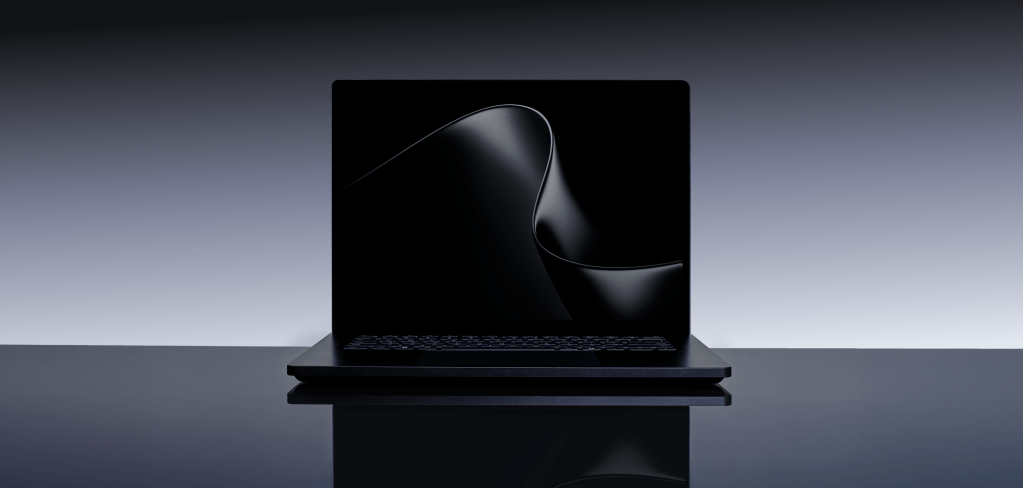
- Current Surface Laptop lineup is limited to Intel 13th Gen and AMD Ryzen 7 780U (or higher) CPUs, paired with up to 16 GB LPDDR5X RAM and 1 TB SSD storage.
- No longer an option for dedicated RTX GPUs; integrated graphics (Intel Iris Xe or Radeon 780M) are the standard.
- Display options remain consistent, with 3:2 aspect ratio OLED and LCD choices, but no indication of future GPU upgrades.
A closer examination reveals that while this move may not spell the end of gaming on Surface devices, it does suggest a deliberate shift toward efficiency. Microsoft has not ruled out future hardware that could incorporate newer architectures or integrated solutions with improved performance, but the absence of discrete GPUs in the current lineup is telling.
For consumers, this change means fewer options for high-end graphics performance, but likely better battery life and thermal management. Whether Microsoft will reintroduce discrete GPUs in future iterations remains uncertain, but it could significantly influence the company’s position in the competitive laptop market.