Apple’s next-generation AirPods Pro will arrive in 2027, marking a significant shift in how smart audio hardware interacts with its broader ecosystem.
The new model is expected to feature built-in cameras, allowing users to capture photos or video directly from their ears. This isn’t just an incremental upgrade—it’s a rethinking of what wearable accessories can do. The integration of Siri into the hardware suggests Apple is pushing further into hands-free, voice-driven workflows, but the practical implications for developers and power users are still unclear.
- Camera Integration: A forward-facing camera, likely capable of 12MP imaging, with support for video recording. The sensor may also include depth mapping for improved photo quality.
- Siri on-Device Processing: Faster response times and local processing, reducing latency in voice commands compared to cloud-based alternatives.
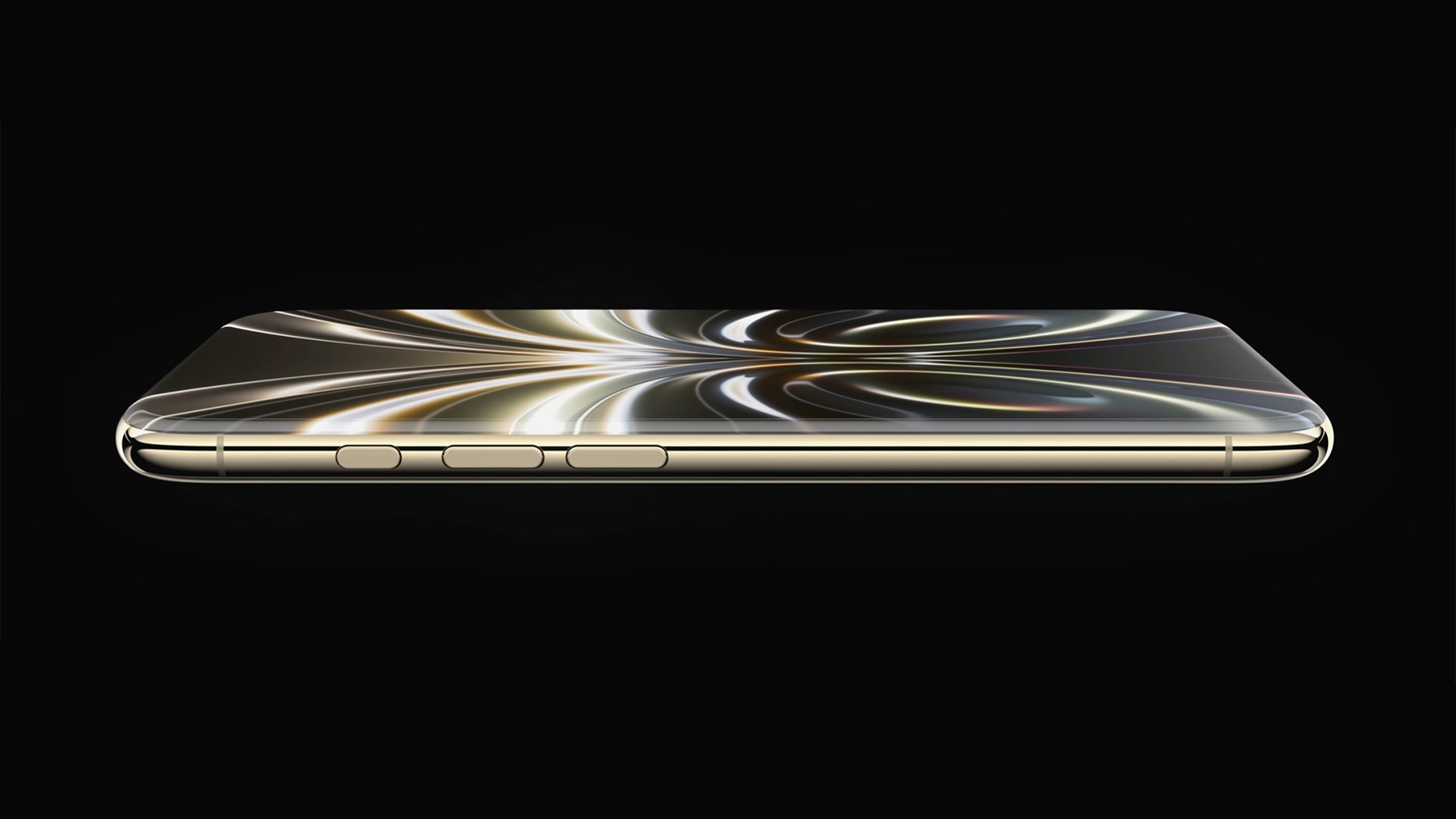
- Ecosystem Synergy: Seamless pairing with iPhone 20 and iPhone Ultra 2, which are rumored to feature bezel-less displays. This could enable new use cases for developers working on augmented reality or spatial computing projects.
- Operational Costs: The addition of a camera introduces power and thermal challenges. Apple may need to optimize battery life without sacrificing performance, a common tradeoff in multi-function hardware.
The real question is whether this level of integration justifies the cost for developers. While the cameras open doors for creative applications—think gesture control or photo capture during workouts—the power and thermal overhead could create new constraints. For teams building AR experiences, the bezel-less iPhone 20 might be a more critical piece, but the AirPods Pro’s camera could become a standard tool if Apple refines its SDK support.
Looking ahead, the biggest variable is software. If Apple delivers robust developer tools to leverage these new capabilities, the hardware could become a staple in workflows. But without clear API documentation or performance benchmarks, the risk of underutilization remains. For now, the focus will be on whether Apple can balance innovation with practicality—a challenge it has faced before.
As of now, no pricing or availability details have been confirmed, leaving developers to speculate on how this will fit into existing budgets and operational models.