A bold experiment in mobile learning is testing whether the density of a college education can survive on a device built for quick glances rather than deep study.
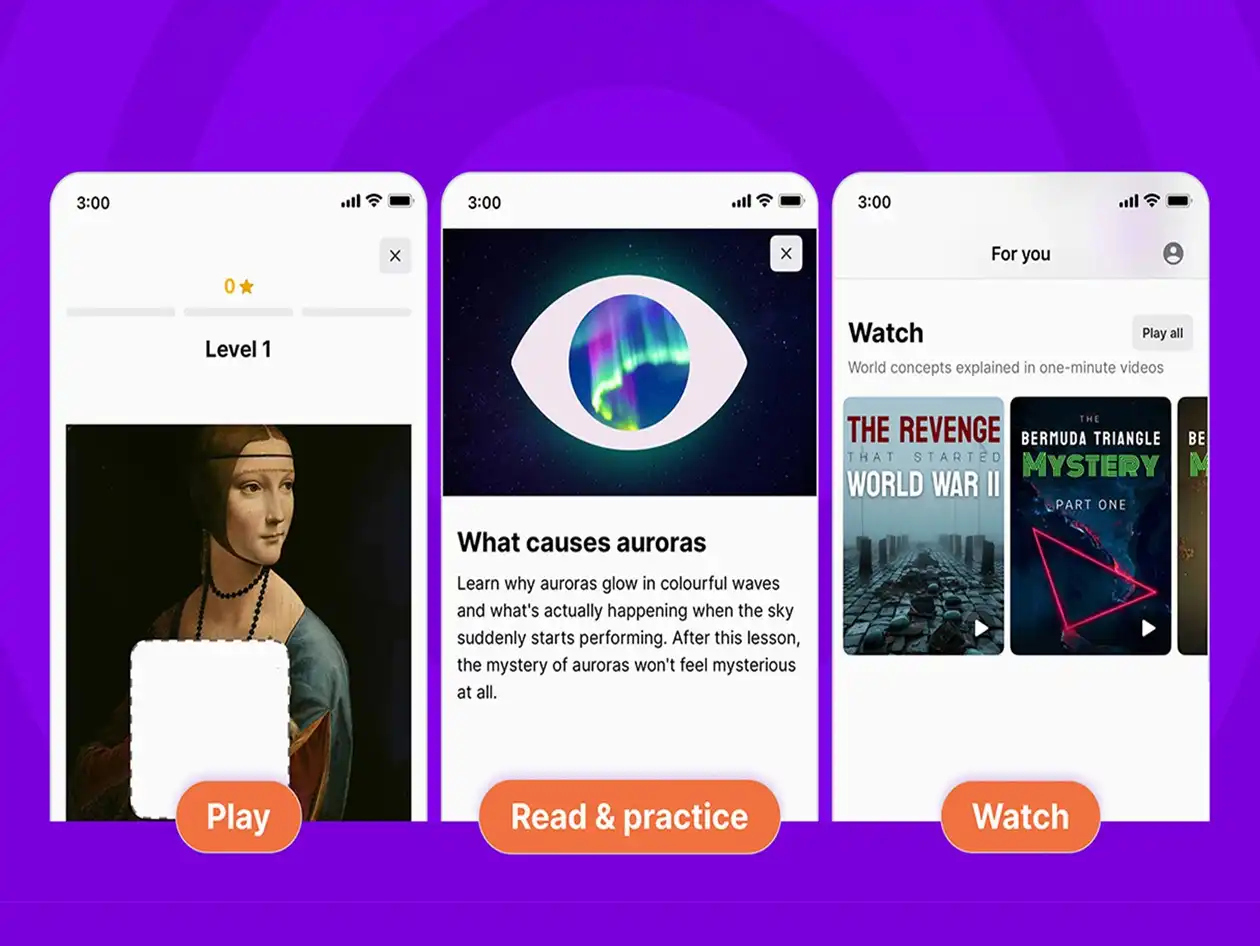
At its launch, the app delivers structured curricula, expert-led instruction, and progression tracking—all optimized for short sessions. It replicates the academic rhythm: deadlines, peer collaboration, and assessments—yet does so in fragments that fit between meetings or commutes. The tradeoff is immediate: users gain flexibility but may lose the sustained focus needed for complex subjects.
Key specs and design choices
- Subjects: Technical fields to humanities, with pathways mirroring degree structures.
- Features: Real-time feedback, collaborative projects, and progress tracking.
- Platform: Mobile-first, with no desktop equivalent—prioritizing on-the-go use over deep analytical work.
Reality check
The mobile format introduces practical limits. Smaller screens strain continuous engagement for subjects requiring intricate analysis, such as advanced coding or theoretical frameworks. Whether the app can maintain academic rigor without becoming a superficial tool remains an open question.
If it succeeds, the model could accelerate the shift from degree-based learning to micro-credentials—making lifelong upskilling more accessible. If not, it risks becoming a novelty, offering convenience at the cost of substance.
Who stands to gain?
- Professionals: Those needing just-in-time skills without the time or expense of traditional education.
- Developers: A primary audience for structured learning paths in emerging technologies.
The app’s ability to balance depth and accessibility will determine its market penetration. If it proves that mobile efficiency can coexist with academic rigor, lifelong learning may finally become truly portable.