The next chapter of the Modern Warfare franchise is taking a different path when it comes to player customization. The highly anticipated remake, arriving on PC and consoles in October 2026, will not feature pop-culture skins or celebrity collaborations at launch—a decision that marks a deliberate break from recent trends in competitive first-person shooters.
Developed by Infinity Ward, the studio behind the original Modern Warfare series, the remake is positioning itself as a return to narrative purity. Every aspect of the game, including its cosmetic system, will be designed to align with the game’s established tone and setting. While collaborations are not entirely ruled out for future seasons, the team has made it clear that immersion remains a priority over short-term revenue from high-profile partnerships.
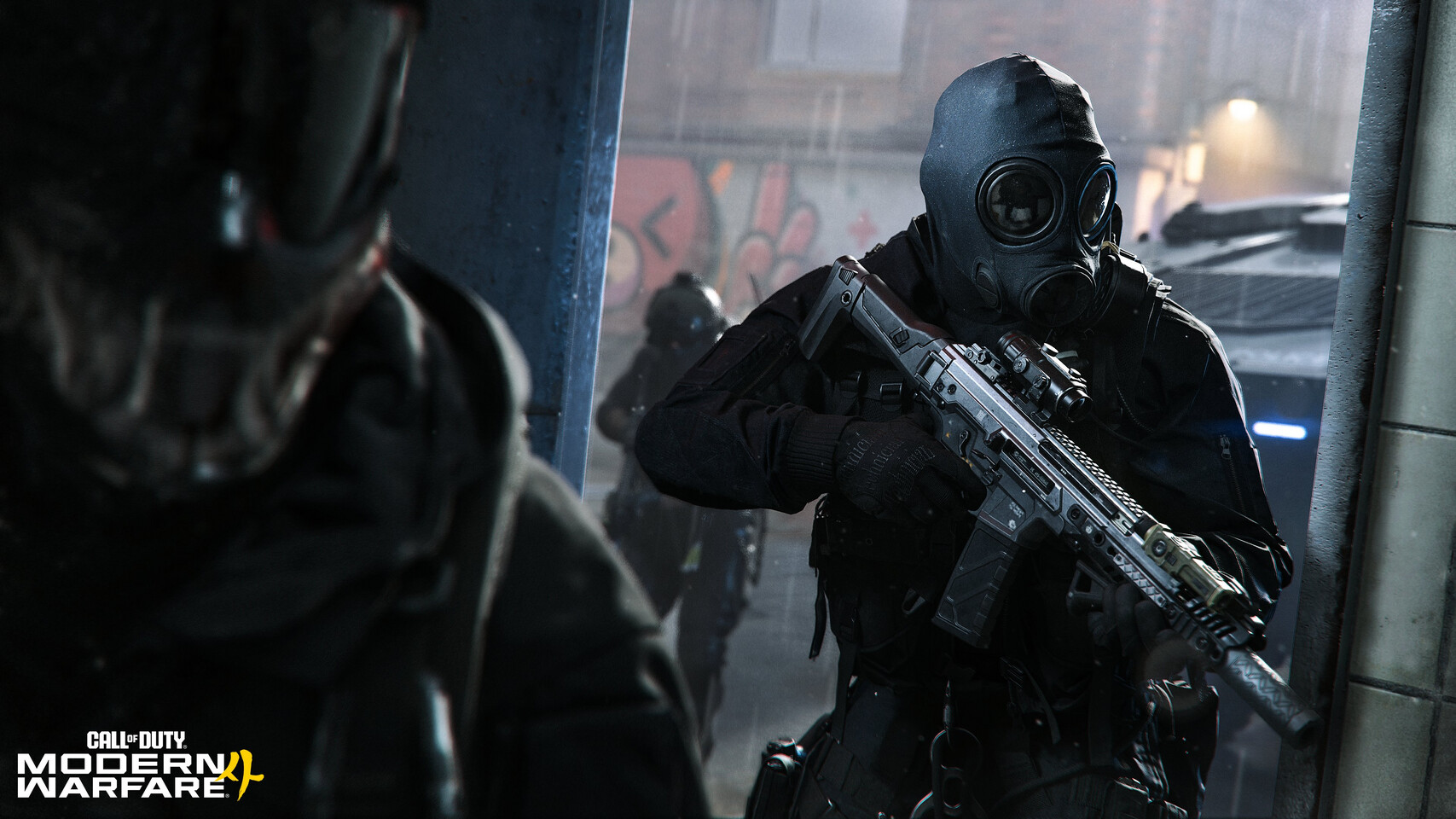
This approach contrasts with many modern shooters, where crossovers with celebrities or animated characters have become commonplace to drive engagement. The decision comes after Infinity Ward solicited direct feedback from players, who overwhelmingly expressed frustration with past collaborations that they felt disrupted the game’s atmosphere. The studio responded by confirming no Lady Gaga-inspired skins, no Omni-Man references, and no cartoon character appearances—effectively shutting down requests for filters that would allow players to toggle these elements on or off.
Industry observers note this could signal a broader shift in how shooters balance monetization with player expectations. While some fans remain skeptical about whether financial pressures will eventually reintroduce these skins, the team has explicitly stated its commitment to maintaining authenticity across all seasons of the game. The focus now turns to whether other franchises will follow suit, prioritizing narrative integrity over rapid content cycles.
For gamers, this means a remake that leans into its military roots without compromising on modern cosmetic features—though it also raises questions about how Infinity Ward plans to sustain long-term engagement in an era where pop-culture integrations have become standard.