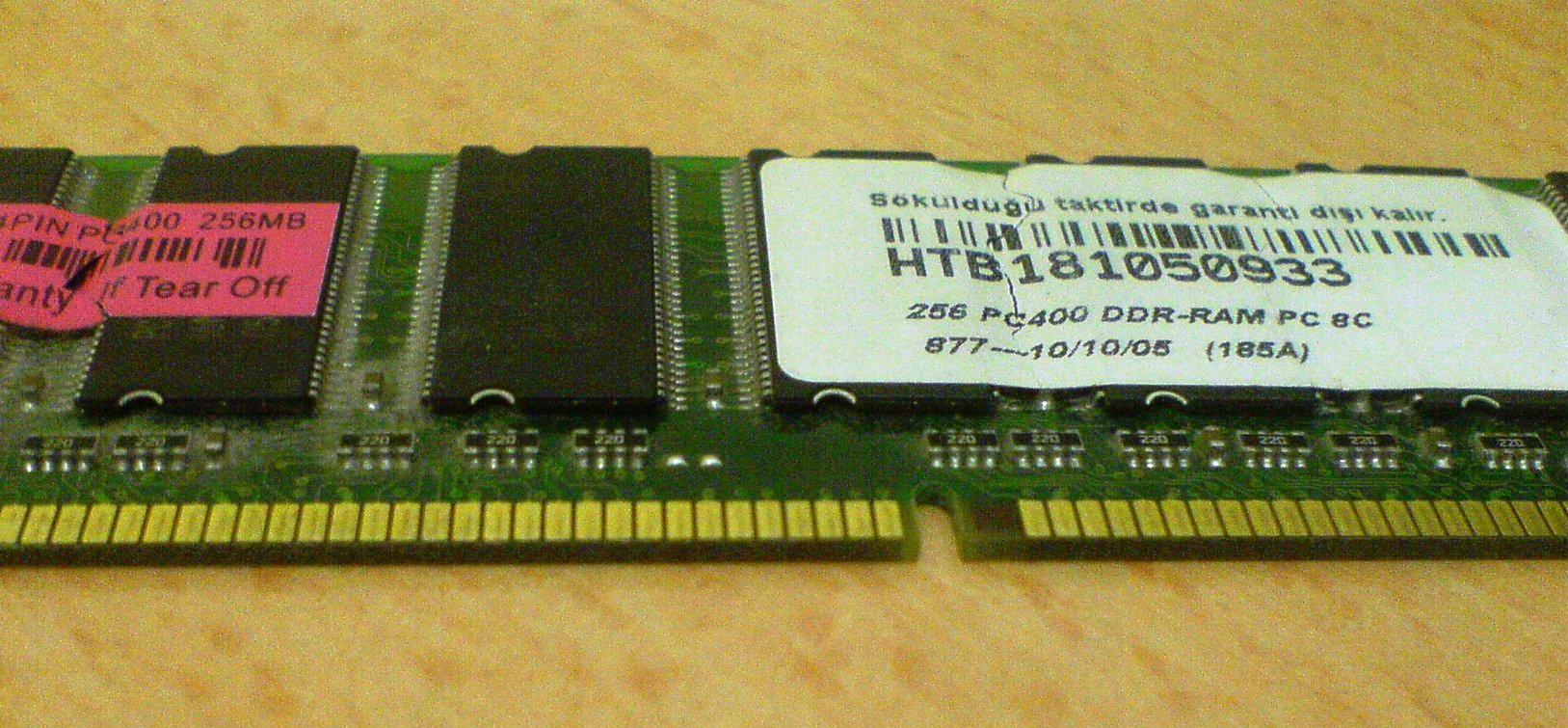
For those clinging to the hope that the tech industry’s AI-driven cost surge would stabilize, a new development suggests otherwise. The three largest producers of NAND flash memory—Samsung, SK Hynix, and Sandisk—are poised to nearly double their chip prices in the first quarter of 2026. The decision comes as demand for AI workloads and data storage continues to outpace supply, creating a ripple effect across the hardware market.
Samsung, which reported record revenues of $65 billion in Q4 2025—up 22% year-over-year—has already signaled plans to increase NAND prices by over 100% in early 2026. SK Hynix and Sandisk are following suit, with the latter having previously announced a similar hike for this year. The collective move underscores a broader trend: NAND flash, the backbone of SSDs and other storage solutions, is becoming increasingly expensive, and consumers may soon feel the impact.
The implications for SSDs are particularly stark. Consider the WD Black SN850X 2TB drive: last summer, it retailed for around $150. By late 2025, prices had ballooned to over $250, and today it sits at $399, with Amazon listing a discounted price against a $574 suggested retail price. If the latest NAND price hikes haven’t already been factored into current SSD pricing, the next few months could see further steep increases—potentially pushing some models toward $800 or beyond.
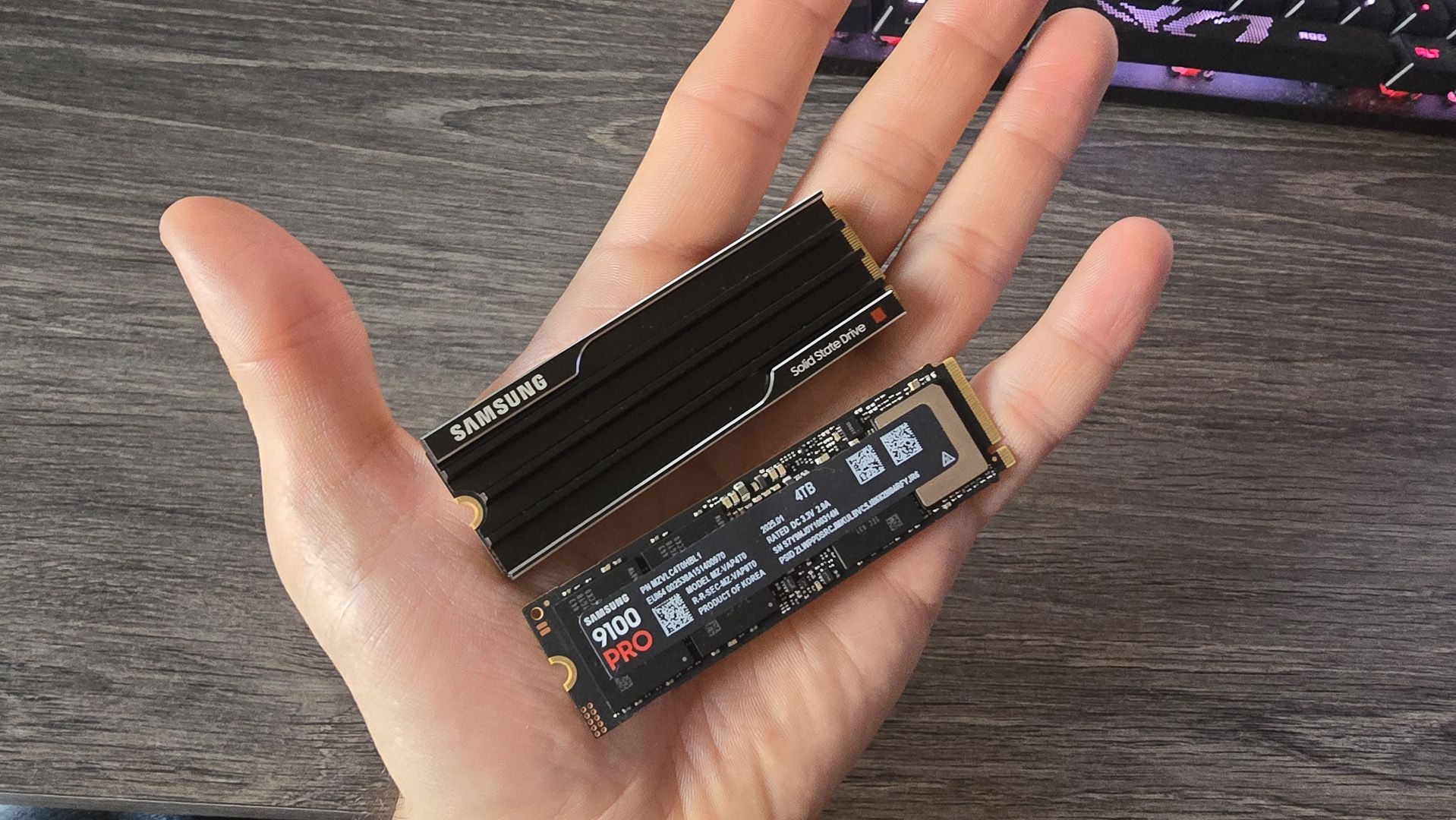
While the full extent of the price hike’s impact remains unclear, one thing is certain: the cost of storage is no longer a static concern. For gamers, creators, and businesses reliant on high-performance SSDs, the news serves as a reminder that the AI boom isn’t just reshaping industries—it’s reshaping budgets.
- Samsung, SK Hynix, and Sandisk plan to double NAND flash prices in Q1 2026.
- Samsung’s Q4 2025 revenue hit $65 billion, with profits nearly doubling.
- SSD prices have already surged—some models now cost triple their 2024 prices.
- WD Black SN850X 2TB: $150 (summer 2025) → $399 (current).
- Future SSD pricing could climb further if NAND hikes aren’t already reflected.
The question now is whether manufacturers will absorb some of the cost or pass it directly to consumers. Given the current trajectory, the latter seems more likely.