The Nintendo Switch family has achieved a historic milestone, with total shipments now exceeding 155 million units worldwide. This surpasses the Nintendo DS’s previous record of 154 million, cementing the hybrid console as the company’s most successful gaming platform to date.
The latest model, the Switch 2, has been particularly strong, with 17.37 million units sold since its launch in June 2025. The holiday quarter alone saw 7.01 million Switch 2 units shipped, while the original Switch maintained relevance with 1.36 million units sold during the same period. Combined, the two systems now account for 155.37 million units in circulation—a testament to Nintendo’s ability to sustain demand across generations.
Software sales have followed a similar trajectory, with first-party titles leading the charge. The Switch 2 has sold 37.93 million games, including standout hits like Mario Kart World (14.03 million copies), Donkey Kong Bananza (4.25 million), and Pokémon Legends: ZA (3.89 million). Even newer releases like Kirby Air Riders, which launched in November, have sold 1.76 million units. Meanwhile, the original Switch’s catalog remains robust, with 108.93 million software copies sold in the latest quarter alone.
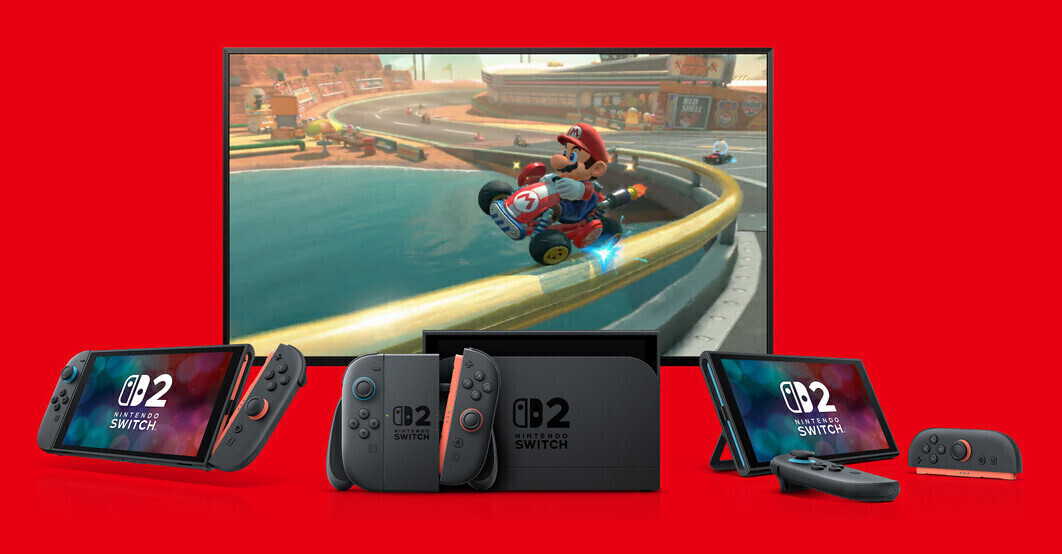
Long-running favorites such as Mario Kart 8 Deluxe (70.59 million copies) and Super Mario Party Jamboree (9.41 million) continue to drive sales, benefiting from backward compatibility. However, the platform’s momentum may face challenges as Nintendo reportedly considers a price increase for the Switch 2. The $449 base model could be discontinued in favor of bundles starting at $499, marking a $50 hike. This shift aligns with broader industry trends, as rising memory component costs, tariff pressures, and economic instability have already led Sony and Microsoft to adjust their console pricing strategies.
The decision to raise prices reflects the evolving cost landscape for hardware manufacturers. DRAM and NAND prices have surged, with the Switch 2’s components reportedly increasing by 41% and 8%, respectively. While Nintendo has not confirmed the price change, industry sources suggest it is a likely response to these financial pressures. For consumers, the adjustment could reduce accessibility, particularly in markets where affordability has been a key selling point.
Looking ahead, the Switch family’s dominance hinges on two factors: sustained software support and hardware evolution. First-party exclusives remain the backbone of Nintendo’s success, but the company must balance innovation with cost control. If the price increase takes effect, it will test whether the platform’s loyal user base remains willing to invest in the ecosystem—especially as competitors refine their own handheld and hybrid offerings.