The convergence of industrial artificial intelligence (AI) and digital twin technology is reshaping how companies design, simulate, and optimize products before they reach the physical world. This shift is being accelerated by a strategic partnership between NVIDIA and Dassault Systèmes, which combines Dassault’s Virtual Twin platforms with NVIDIA’s accelerated computing infrastructure, AI physics models, and Omniverse libraries.
Unlike traditional design processes that rely on trial-and-error in the physical world, this collaboration allows engineers to test and refine products virtually with unprecedented speed and accuracy. Dassault Systèmes’ SIMULIA software, now integrated with NVIDIA’s CUDA-X and AI physics libraries, enables real-time prediction of outcomes during simulation. This is a significant leap forward from conventional methods, where iterations often require costly physical prototyping.
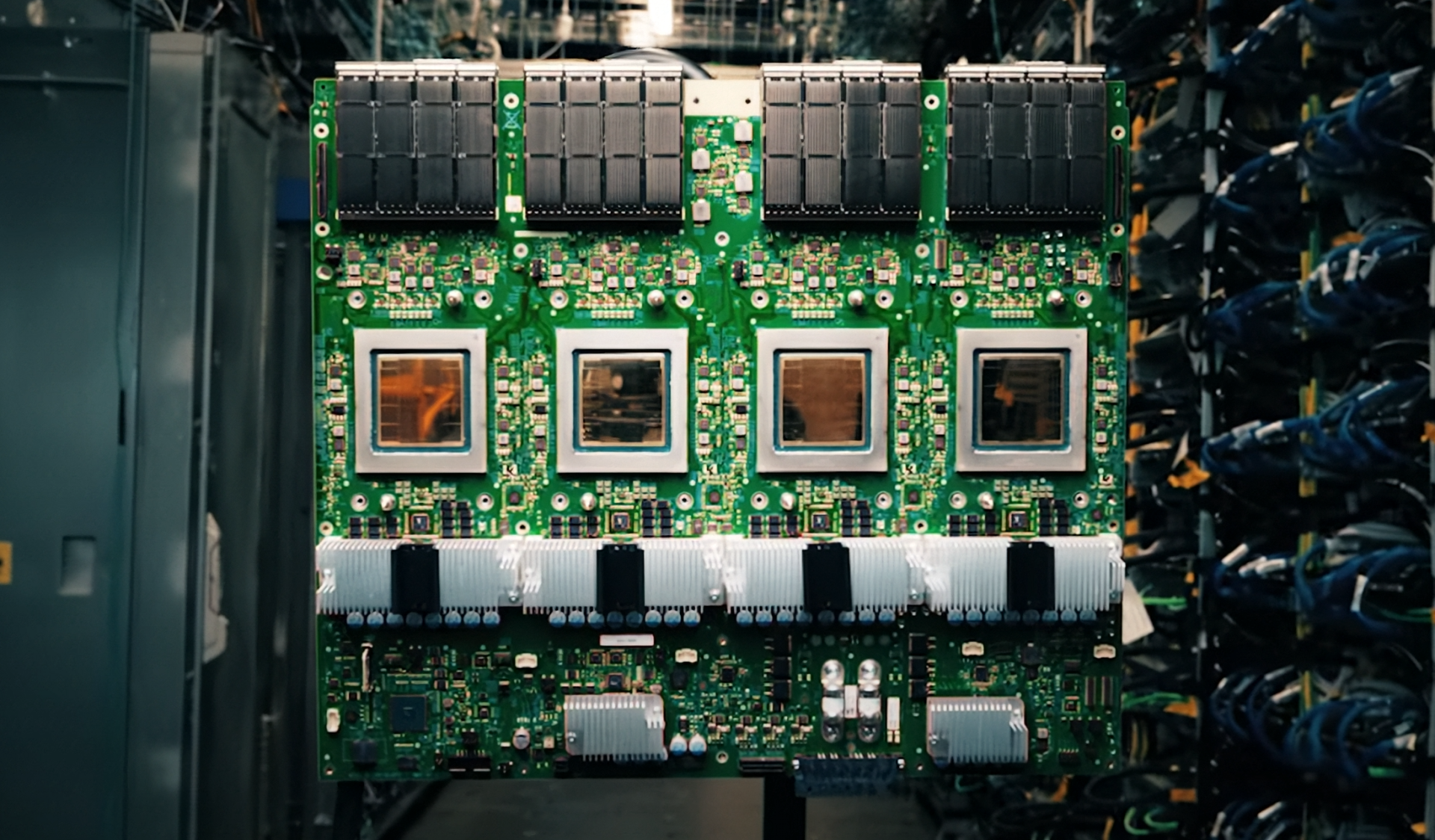
The partnership also extends to the deployment of AI-powered factories. NVIDIA will leverage Dassault Systèmes’ model-based systems engineering technologies to design and deploy large-scale AI infrastructure capable of handling gigawatt-level workloads. In return, Dassault plans to roll out these AI factories across three continents through its OUTSCALE sovereign cloud, ensuring data residency and security compliance for customers.
What’s Changing and Why It Matters
The practical impact of this partnership is already being felt across multiple industries. In automotive, Lucid Motors is using advanced simulation tools to accelerate the development of electric vehicles (EVs). By combining AI physics models with Dassault Systèmes’ engineering tools, Lucid can iterate on designs more efficiently than ever before.
- Automotive: Lucid Motors is leveraging digital twins and AI companions to speed up EV innovation, reducing the time from concept to production.
- Life Sciences: Researchers are using virtual twins to expedite molecule discovery, therapeutics design, and sustainable food development. The Bel Group, for example, is applying this technology to create non-dairy protein options that pair with its cheeses, such as Babybel.
- Industrial Automation: Omron is deploying virtual twins to design automation systems with greater confidence, ensuring digitally validated production processes.
- Aerospace: Wichita State University’s National Institute for Aviation Research uses these technologies to accelerate aircraft design, testing, and certification.
The foundation of this transformation lies in Dassault Systèmes’ physics-based Industry World Models. These models are trained with PhD-level expertise in fields like biology, physics, and material sciences, allowing them to simulate real-world scenarios with high fidelity. This capability is crucial for industries where precision and efficiency are paramount, such as DNA sequencing or material strengthening for vehicles.
Pascal Daloz, CEO of Dassault Systèmes, has emphasized the potential of virtual twins in learning from and replicating the living world at scale. While the technology is still evolving, its applications are already demonstrating tangible benefits across sectors, from faster product development to more sustainable manufacturing processes.
For everyday buyers and decision-makers, this partnership signals a shift toward more efficient and sustainable industrial processes. Companies that adopt these technologies early will likely see significant advantages in speed, cost, and innovation. However, the practical implications for consumers remain to be fully realized as the technology matures and becomes more widespread.