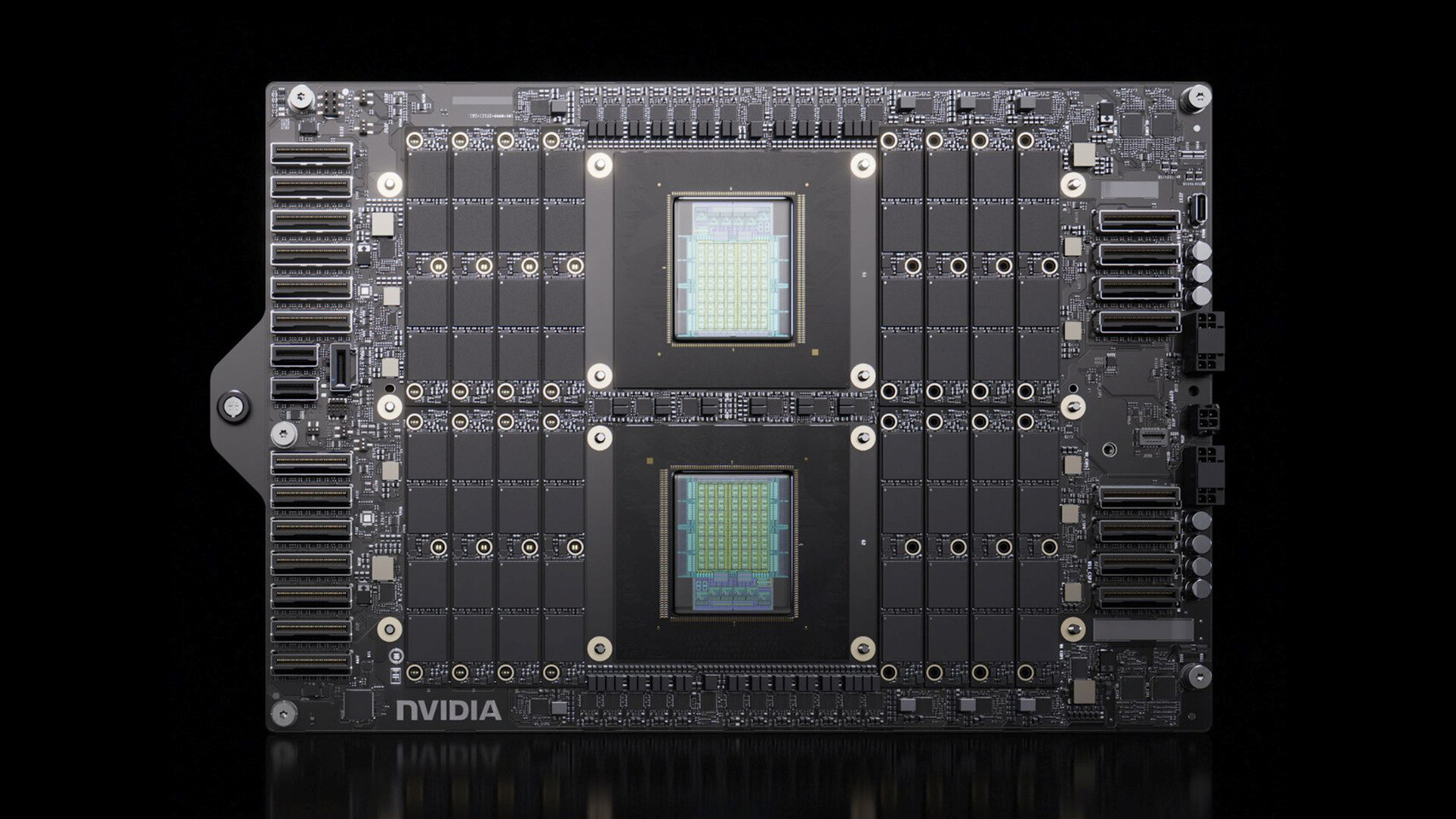
NVIDIA’s Blackwell architecture is not just another GPU refresh—it marks a turning point for the company’s gaming and professional segments. While workstations built on this new platform are delivering record-breaking performance, gaming GPUs based on the same silicon are encountering unexpected headwinds, primarily from soaring memory prices that have slowed adoption.
This dual-track approach reflects a broader industry shift toward edge computing, where workloads are increasingly distributed across cloud, data centers, and local devices. For PC builders, the Blackwell platform introduces both opportunities and complications: on one hand, unprecedented efficiency in workstation tasks; on the other, a market where cost constraints could limit gaming GPU appeal.
Performance and Efficiency: The Workstation Advantage
The Blackwell architecture’s strength lies in its ability to handle complex workloads with remarkable efficiency. NVIDIA’s latest workstations, equipped with Blackwell-based GPUs, are achieving up to 30% higher performance per watt compared to previous generations. This isn’t just about raw speed—it’s about reducing power consumption while maintaining or even improving thermal performance, a critical factor in high-end builds.
For example, the Blackwell-based workstations are targeting industries like AI research, rendering, and scientific simulation, where memory bandwidth and compute density are paramount. These systems are designed to operate at lower temperatures under heavy loads, a feat that was once considered impossible with traditional GPU architectures. This efficiency gain is particularly noticeable in tasks that involve large datasets, such as training deep learning models or processing high-resolution 3D renders.

Gaming GPUs: A Market Caught Between Demand and Cost
Contrast this with the gaming segment, where Blackwell-based GPUs are facing a different set of challenges. While the architecture itself is capable of delivering exceptional performance in games, the market for these GPUs has been dampened by elevated memory prices. Prices for GDDR6X memory, a key component in high-end gaming GPUs, have risen sharply due to supply constraints and increased demand from other industries.
This price surge is directly impacting the retail price of Blackwell-based gaming GPUs, making them less competitive against established alternatives like AMD’s RDNA 3 architecture. For PC builders, this means a tough decision: whether to invest in Blackwell GPUs for their future-proof potential or opt for more immediately affordable options that still deliver strong performance.
Industry Implications and the Road Ahead
The Blackwell architecture’s introduction is part of a larger trend where edge computing is becoming the backbone of high-performance hardware. NVIDIA’s move to consolidate its gaming segment under this broader umbrella suggests a strategic realignment, one that prioritizes efficiency and scalability over raw gaming performance.
For PC builders, this shift could mean more choices in workstation hardware but fewer options in the gaming space unless memory prices stabilize. The industry is still grappling with questions about how long these cost pressures will last and whether Blackwell-based GPUs can eventually carve out a niche despite the current challenges.
One thing is clear: NVIDIA’s focus on edge computing is reshaping the landscape, and the Blackwell architecture is at the forefront of this change. Whether it will lead to a lasting transformation in how we build and use high-performance PCs remains to be seen, but its impact is already being felt across the industry.