NVIDIA's DLSS 5 is pushing the boundaries of what AI can achieve in real-time rendering. Under extreme testing conditions, the technology has demonstrated the ability to generate frames at 240 FPS on a single RTX 4090 GPU. This represents a 2x performance gain in supported games, setting a new benchmark for frame generation quality.
Unlike its predecessors, DLSS 5 introduces a novel approach by generating entirely new frames between rendered ones. This technique, known as frame generation, allows games to run at higher resolutions or frame rates without the traditional performance cost. The technology analyzes motion and scene data using AI models trained on NVIDIA's internal datasets.
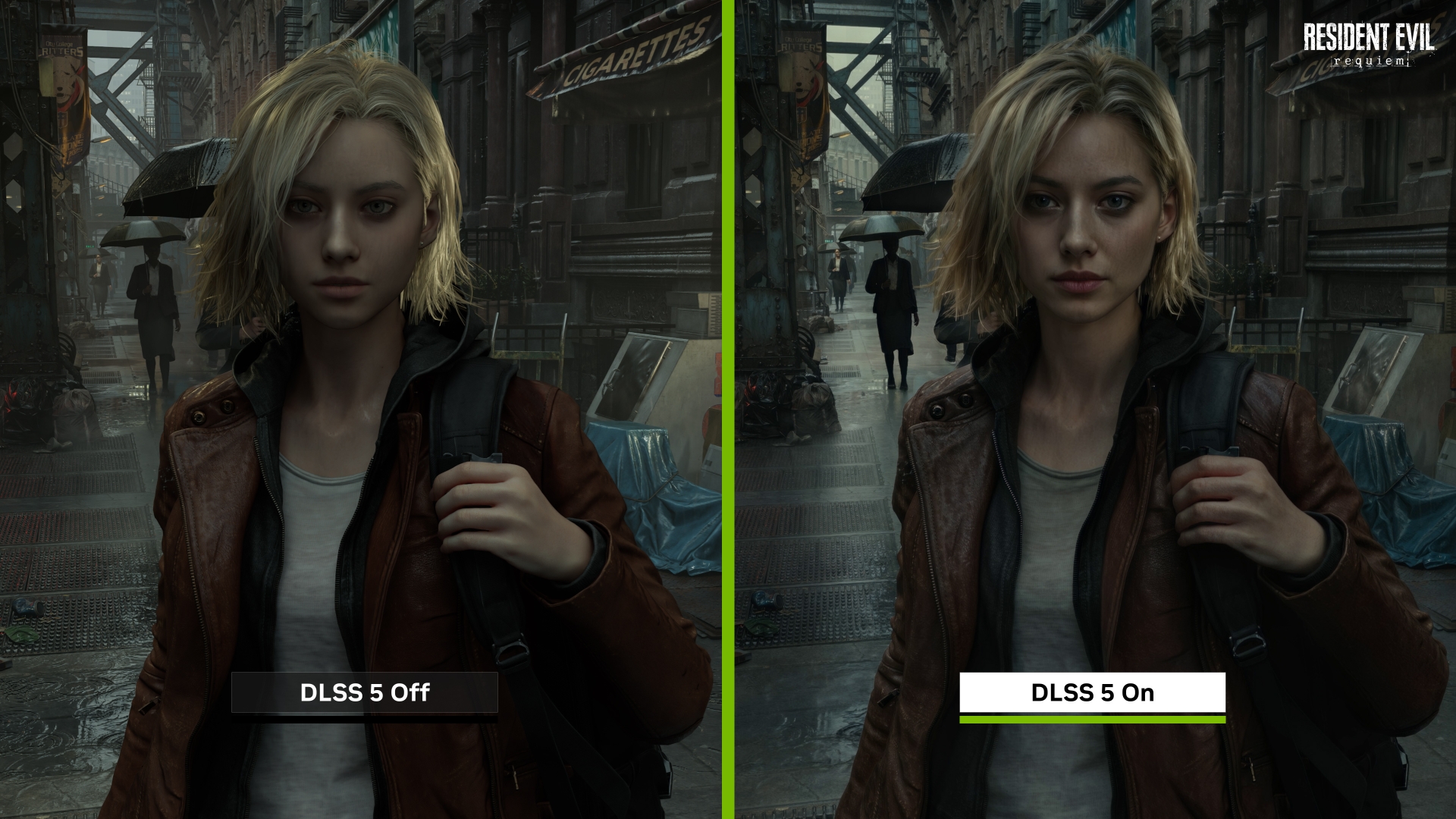
- 2x performance boost in supported games (measured on RTX 4090)
- Frame generation capability—up to 120 FPS in supported titles
- Temporal upscaling for smoother visuals at lower resolutions
The impact of DLSS 5 extends beyond just performance metrics. In fast-paced games like Cyberpunk 2077 or Alan Wake 2, the system can predict and render frames that don't yet exist, effectively doubling frame rates without requiring hardware upgrades. This is a significant advancement for PC builders, as DLSS 5 will be available as a free update for all RTX 40 series GPUs.
However, not all games will immediately support frame generation. NVIDIA has indicated that adoption depends on developer integration, which is still in progress. Despite this, the potential for AI to generate entire frames in real time is profound, blurring the line between rendered and simulated visuals.
The next step may not just be higher frame rates, but entirely new ways of constructing game worlds. With AI capable of generating frames from scratch, the possibilities for real-time rendering are vast and could redefine the gaming experience.