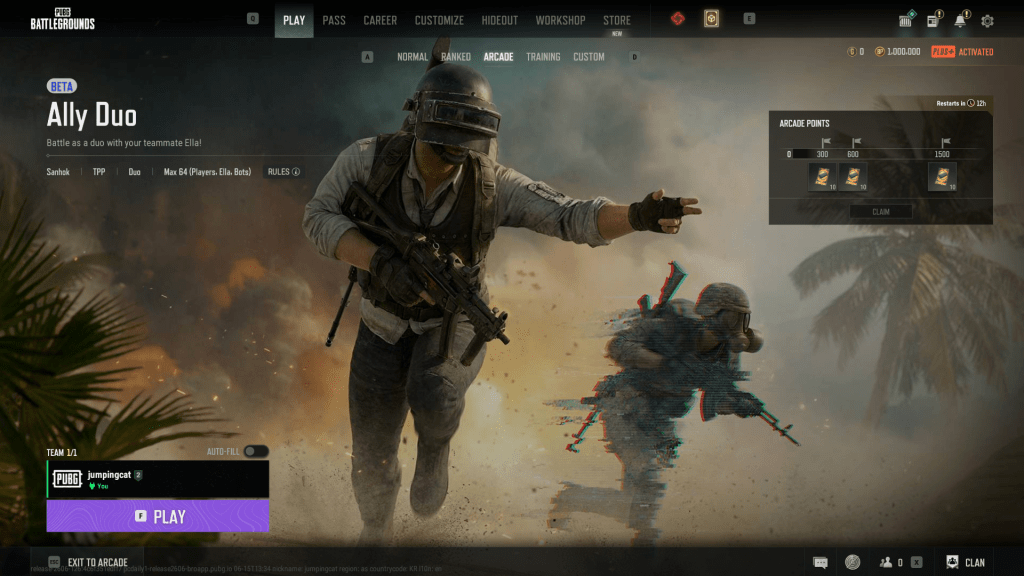
For all its promise, Nvidia’s ACE integration into PUBG is not without challenges. The technology relies on advanced AI models trained to simulate human decision-making in real-time, a task that demands precision in chaotic environments where split-second reactions define outcomes. While lab tests may show impressive adaptability, the transition to live matches introduces unpredictable variables—player behavior, environmental changes, and network latency—that could test ACE’s robustness. Early impressions suggest that while the AI teammates can perform basic tactical maneuvers, they lack the nuance of human players, raising questions about whether they add genuine value or merely replicate predictable patterns.
Balancing Innovation with Expectations
The gaming industry has seen AI companions before, but Nvidia’s approach is distinct in its ambition to create teammates that feel like natural extensions of the player experience. ACE leverages Nvidia’s AI research to process vast amounts of data, from battlefield conditions to player strategies, generating responses that aim to mimic human-like decision-making. However, the gap between theoretical performance and practical execution remains a critical hurdle. If ACE cannot consistently outperform scripted NPCs, it risks becoming another example of overhyped technology that fails to deliver on its potential.

- Latency and consistency will be key battlegrounds for ACE’s success. Players expect AI teammates to react instantly and intelligently, but delays or glitches could undermine trust.
- The risk of over-optimization is real. If ACE’s decision-making becomes too rigid, it may feel less like a dynamic partner and more like a pre-programmed bot.
- Hardware compatibility will also play a role. Supporting AI teammates across different devices without compromising performance could strain server infrastructure.
The long-term impact of ACE extends beyond PUBG. If successful, it could set a precedent for AI-driven companions in other multiplayer games, potentially reshaping how players engage with digital worlds. However, the path forward is uncertain. Nvidia will need to demonstrate that ACE can evolve alongside player expectations, adapting not just to game mechanics but also to emerging trends in competitive play. The stakes are high: failure could dampen enthusiasm for AI integration, while success may open new avenues for personalized gaming experiences.
A Cautious Optimism
Skepticism is healthy in an industry that thrives on innovation. Players and developers alike must ask whether AI teammates can truly enhance gameplay or if they will become a distraction. For now, the focus remains on refining ACE’s algorithms to handle edge cases—scenarios where human players excel but AI struggles. If Nvidia can bridge this gap, it may redefine co-op dynamics in multiplayer games. But until then, the question lingers: Is ACE a step forward or just another experiment in progress?