The NVIDIA GB300 isn’t just another incremental step in AI hardware—it’s a bold reimagining of what high-performance computing can achieve. With a claimed 20x performance boost over its predecessor, it positions itself as the cornerstone for next-generation machine learning workloads. Yet, that leap comes with a catch: power consumption and heat dissipation are no longer afterthoughts but central concerns in an era where data centers demand both speed and sustainability.
At the heart of this debate is connectivity. The GB300’s design reflects a shift toward more bandwidth-intensive operations, with PCIe 4.0 support ensuring that data can flow seamlessly between components—a necessity for AI workloads that thrive on rapid input-output cycles. But while these ports and interfaces are optimized for performance, they also highlight the device’s reliance on high-power infrastructure. Developers and system architects will need to rethink cooling strategies if they want to harness this power without overloading their setups.
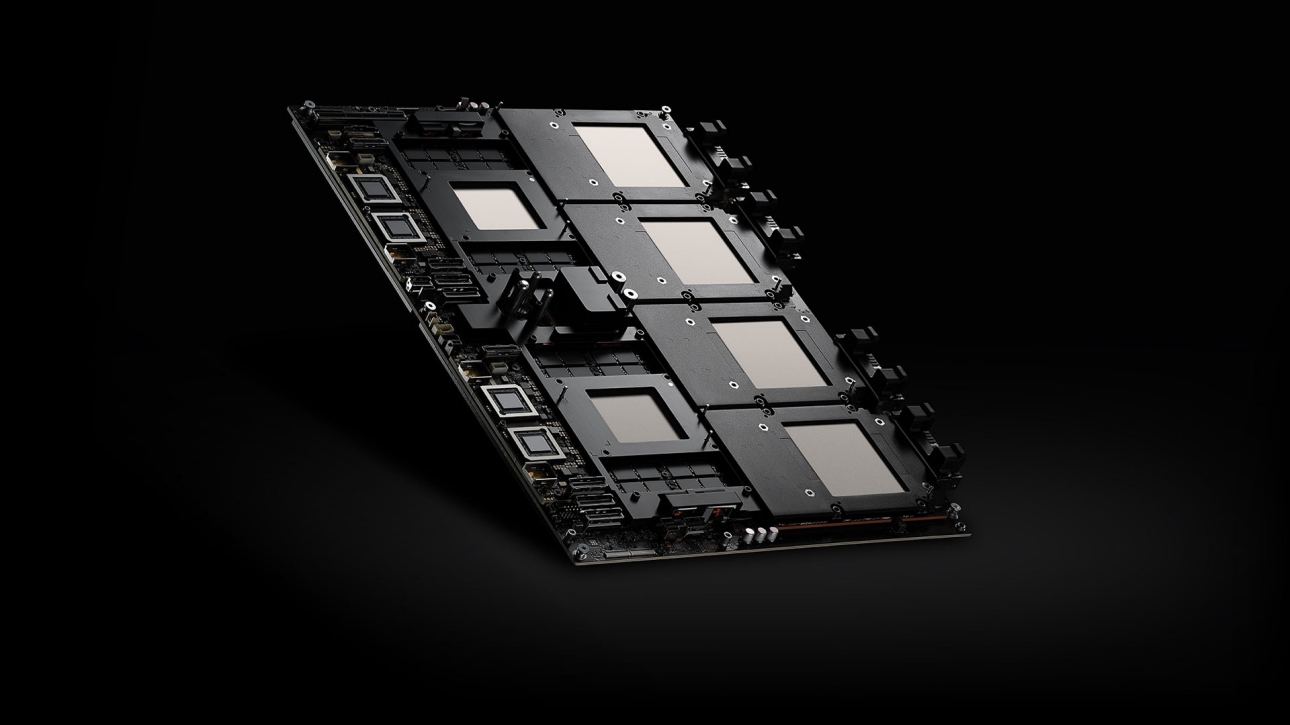
Display isn’t a major focus here since the GB300 is primarily a data center or server-grade component, but its internal architecture tells a different story. The 192GB of HBM3e memory, paired with specialized AI cores, suggests a system built for massive parallel processing. Yet, those same features generate significant heat, raising questions about whether current liquid cooling setups can keep up—or if new standards will need to emerge.
- Performance: 20x improvement in AI workloads compared to previous generation
- Memory: 192GB HBM3e, optimized for large-scale AI models
- Cores: New architecture with dedicated AI acceleration units
- Connectivity: PCIe 4.0 support for high-bandwidth data transfer
- Power/Thermal: High performance comes with significant thermal output and power demands
The GB300’s potential is undeniable, but its real-world impact hinges on whether it can balance raw performance with practical constraints. For AI researchers, the question isn’t just about speed—it’s about whether this leap forward will be sustainable. If data centers can adapt, the GB300 could redefine benchmarks. But if power and heat remain bottlenecks, it may force a reckoning on what ‘efficient’ computing truly means in an era of exponential demand.