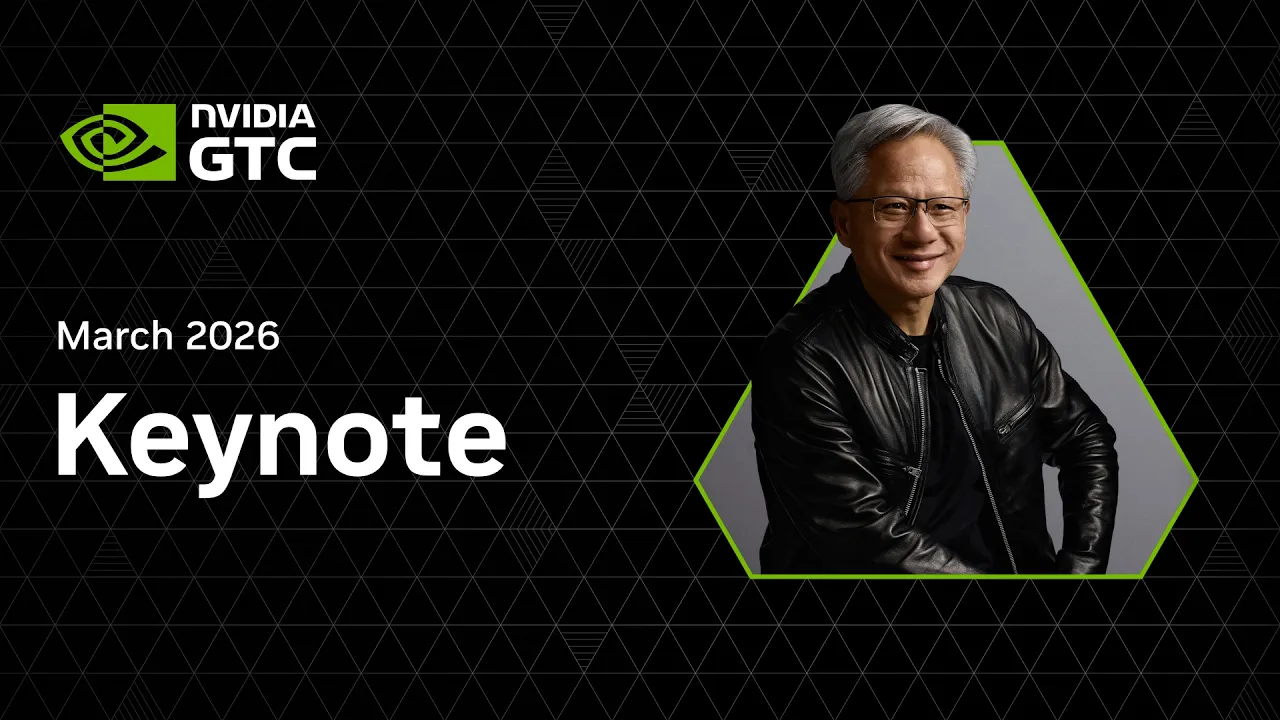
For PC builders and enthusiasts, the latest NVIDIA GTC event wasn’t just another keynote—it was a blueprint for how AI, graphics, and compute will evolve in the coming years. The focus this time wasn’t on incremental upgrades but on redefining what’s achievable with current hardware, particularly when it comes to platform compatibility and adoption.
The event kicked off with a surprise: NVIDIA’s CEO Jensen Huang took the stage not just to discuss roadmaps, but to introduce a new wave of tools and architectures designed to accelerate AI development while maintaining backward compatibility. This is crucial for builders who rely on seamless integration across generations of hardware.
Performance at a Glance
- AI Performance: A 10x improvement in training efficiency compared to previous generations, with support for larger models without sacrificing speed.
- Graphics: New features that enhance ray tracing and frame rates, making real-time rendering more accessible than ever.
- Compute: Optimizations that reduce power consumption by up to 30% while maintaining performance, a key consideration for high-end builds.
The biggest takeaway? NVIDIA is no longer just pushing hardware—it’s creating an ecosystem where software and hardware evolve together. This means builders can expect smoother transitions between generations, with less risk of compatibility issues down the line.
Efficiency Without Compromise
One of the standout announcements was a new platform designed to bridge the gap between AI development and traditional graphics workloads. The system leverages existing NVIDIA GPUs but introduces software layers that streamline performance, making it easier for developers to optimize for both tasks simultaneously.
However, there’s a reality check here: while the improvements are significant, they’re not universally applicable yet. Some features require specific hardware configurations or software updates, which may limit immediate adoption. Builders should weigh whether the long-term benefits justify the current constraints.
The event also hinted at broader implications for data centers and cloud computing, suggesting that the same optimizations will trickle down to consumer-grade systems in the near future. For now, though, the focus is on pushing the boundaries of what’s possible with today’s hardware—without waiting for next-gen releases.
For PC builders, this means a shift in how they approach compatibility and performance. The days of waiting for the ‘next big thing’ are giving way to an era where incremental upgrades deliver meaningful gains. It’s a smart move, especially when efficiency and power savings are top priorities.
Where things stand now: NVIDIA has set a new standard for AI and graphics performance, but adoption will depend on how quickly software catches up. For builders, the message is clear—compatibility risks are lower than ever, but the full potential won’t be realized until the ecosystem matures further.