In an unexpected twist to the ongoing DRAM shortage, NVIDIA has positioned itself ahead of AMD by offering more cost-effective GPU memory bundles to its add-in-board (AIB) partners. This strategic advantage could have far-reaching implications for the industry, particularly as AIBs navigate the complexities of sourcing high-performance graphics memory.
The shift comes amid a global DRAM crunch that has pushed prices upward for both GDDR6 and GDDR7 memory, critical components in modern GPUs. While both NVIDIA and AMD have announced price increases, NVIDIA's bundles remain notably more affordable, reflecting its stronger negotiating stance with DRAM manufacturers like Samsung, Micron, and SK Hynix.
This pricing advantage is not just a matter of cost; it also underscores NVIDIA's ability to secure long-term agreements that provide stability for AIB partners. Historically, these partnerships have allowed NVIDIA and AMD to dictate terms with DRAM suppliers, ensuring favorable pricing and availability. For AIBs, this means avoiding the pitfalls of sourcing memory independently—where prices are often higher and supply is more constrained.
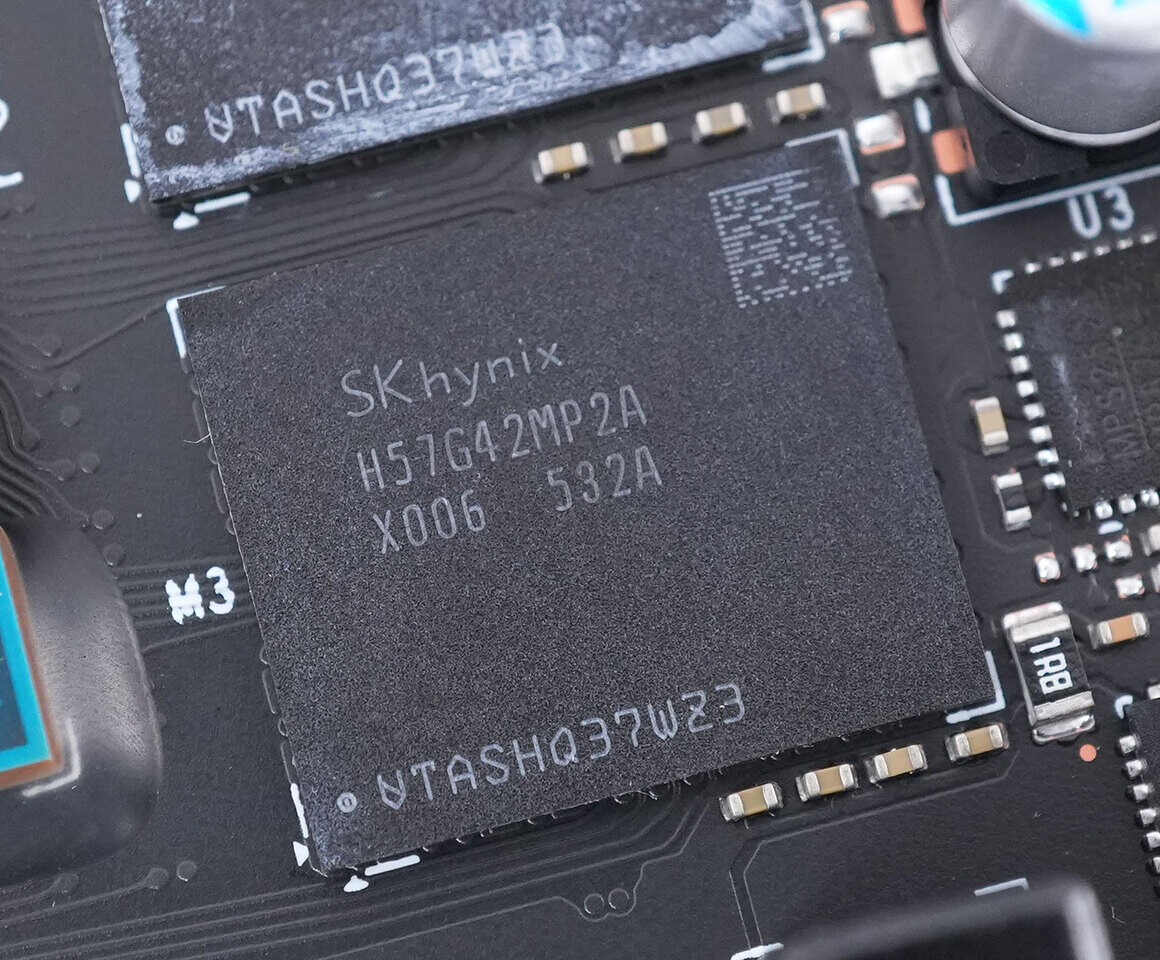
The implications for the industry are significant. With NVIDIA's RTX 50-series GPUs, including models like the RTX 5070 Ti, RTX 5060 Ti, and RTX 5080, already making waves, the company's pricing strategy could set a new standard for performance and affordability. Meanwhile, AMD's RX 9070 XT and other upcoming GPUs may face scrutiny over their memory costs, particularly if they struggle to match NVIDIA's competitive positioning.
Looking ahead, the dynamic between NVIDIA and AMD in GPU memory pricing could intensify as both companies prepare for CES 2026. With DDR6 memory expected to arrive by 2027 at speeds ranging from 8,800 to 17,600 MT/s, the stage is set for another round of innovation and competition in GPU design. For AIB partners, this could mean a more balanced playing field—one where NVIDIA's current advantage might not be as dominant in the long run.