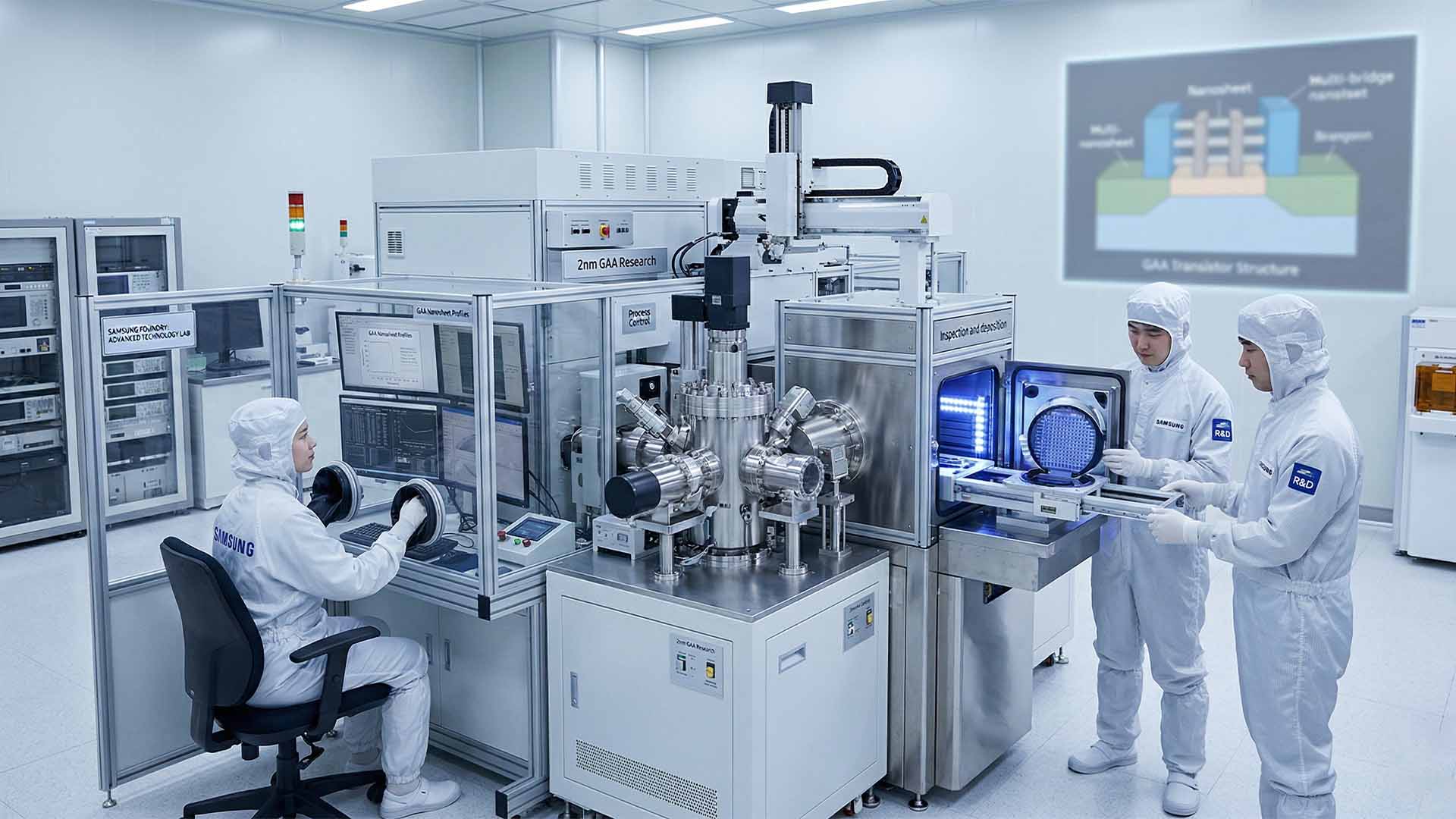
An RTX 3060 with a 192-bit memory bus and 12 GB of GDDR6 is expected to hit shelves in mid-March. That same GPU, built on Samsung’s 8 nm node back in 2021, was NVIDIA’s entry-level Ampere card—now it’s being revived after years spent at TSMC.
Why? The answer lies in capacity planning and cost. While TSMC is fully occupied with 5 nm Blackwell and Ada Lovelace production, Samsung’s older 8 nm line can handle the 3060 without competing for the same fabs. It’s a pragmatic choice: no need to redesign an IP block or pay for a costly porting effort.
Key specs
- Memory: 12 GB GDDR6 (192-bit bus) or 8 GB GDDR6 (128-bit bus)
- Process node: Samsung 8 nm DUV
- Architecture: Ampere (same as RTX 30-series)
The 12 GB variant is the more capable of the two, offering 192-bit memory bandwidth and better performance in both rasterization and ray tracing. The 8 GB model, with its narrower bus, will likely target budget-conscious builders or systems where memory footprint matters.
Why now?
NVIDIA’s shift to TSMC for 5 nm has left Samsung’s 8 nm node underutilized. Bringing the RTX 3060 back now keeps that line running without disrupting Blackwell production at TSMC. It also sidesteps potential upfront costs of adapting Ampere IP to a new node—something NVIDIA knows all too well after its messy move from TSMC’s 12 nm to 8 nm years ago.
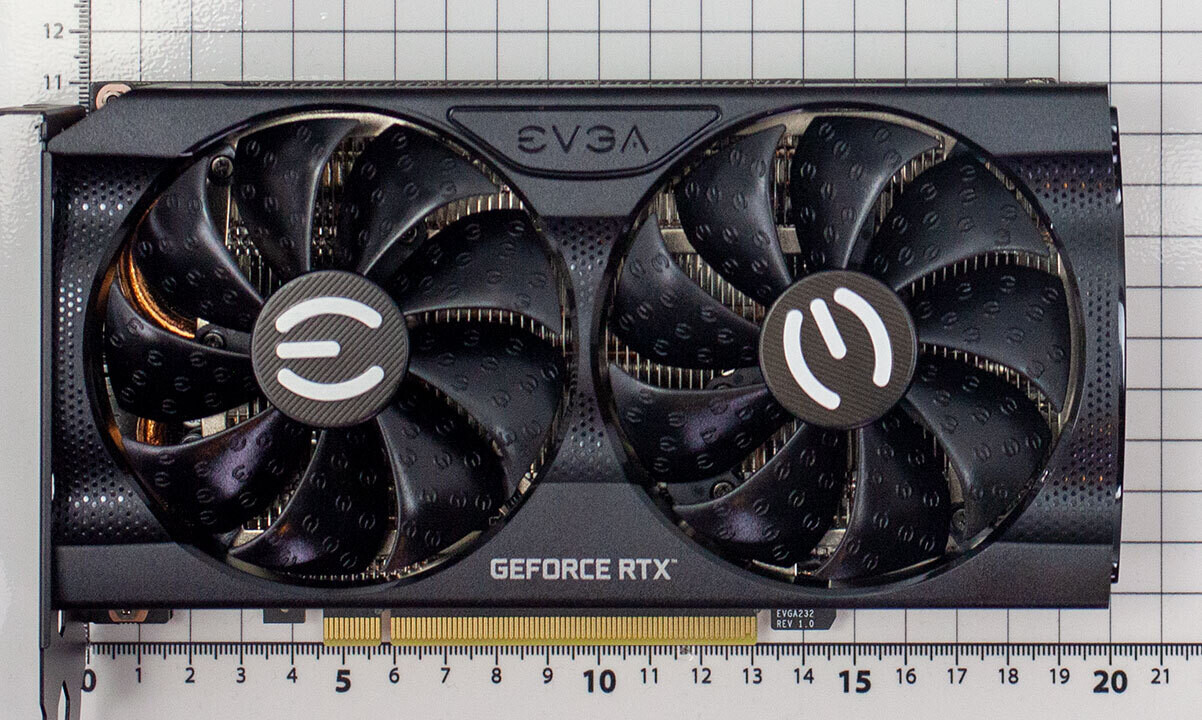
That’s the upside—here’s the catch: this isn’t an upgrade. The RTX 3060 is two generations behind the current RTX 50-series, and it uses the same Ampere architecture that’s already been superseded by Lovelace and Blackwell. So why not launch a newer card?
One theory points to capacity constraints at TSMC. The RTX 4060 (based on NVIDIA’s 4N node) and RTX 5060 share the same 5 nm line, leaving little room for a mid-range Ampere revival. By using Samsung’s 8 nm line instead, NVIDIA preserves its 5 nm capacity for Blackwell—its next-generation data-center and gaming GPU family.
Another factor is cost. The RTX 3060 was always the most affordable Ampere card; reviving it keeps prices low without cannibalizing the higher-margin 40- or 50-series lineup. Creators and budget builders stand to benefit most, getting a familiar performance profile at a price point that hasn’t moved much since 2021.
Availability is confirmed for mid-March, though no official pricing has been announced. Whether it’s the 12 GB or 8 GB variant remains unclear, but both will be built on Samsung’s 8 nm DUV node—same as the original run five years ago.