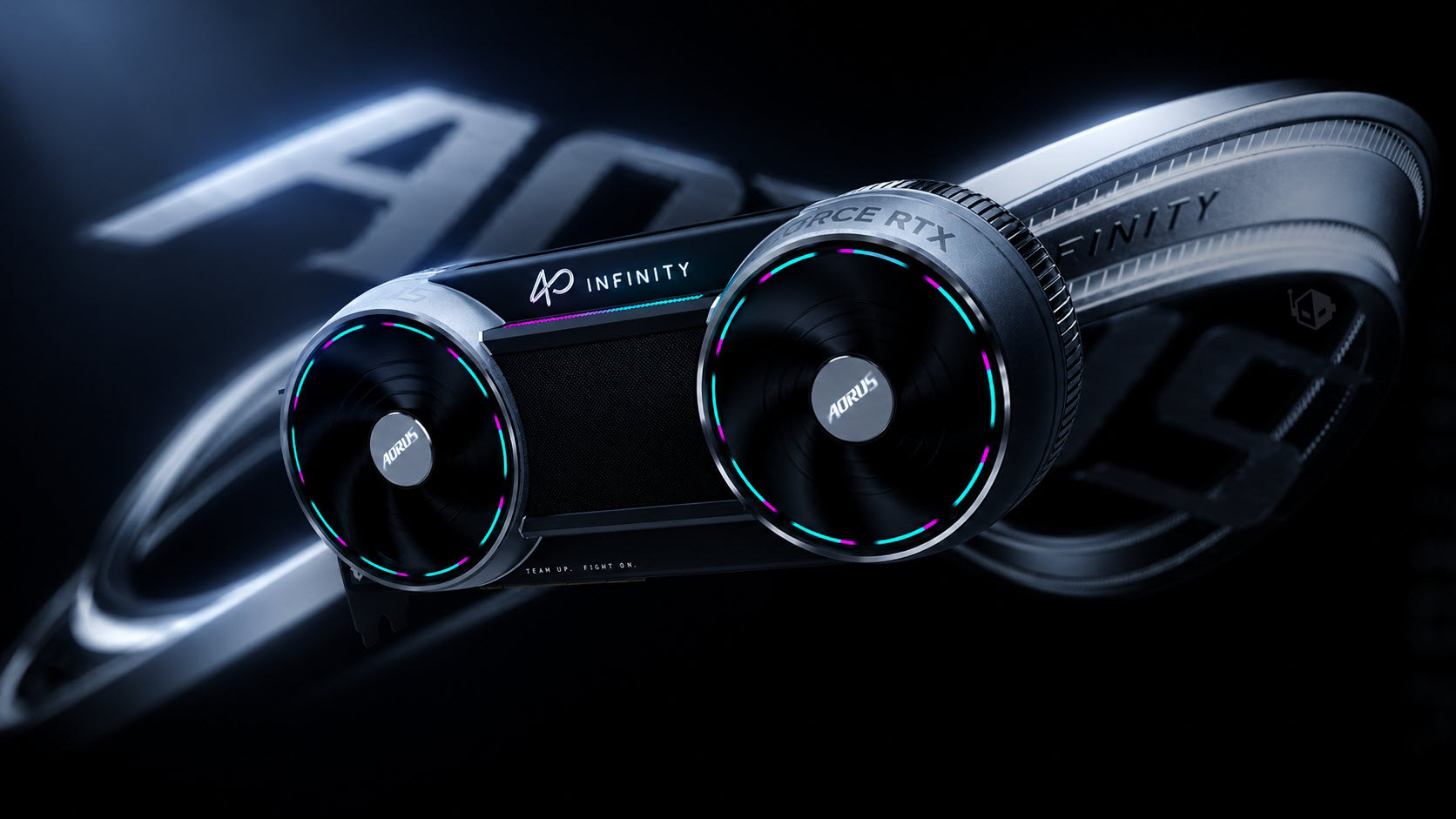
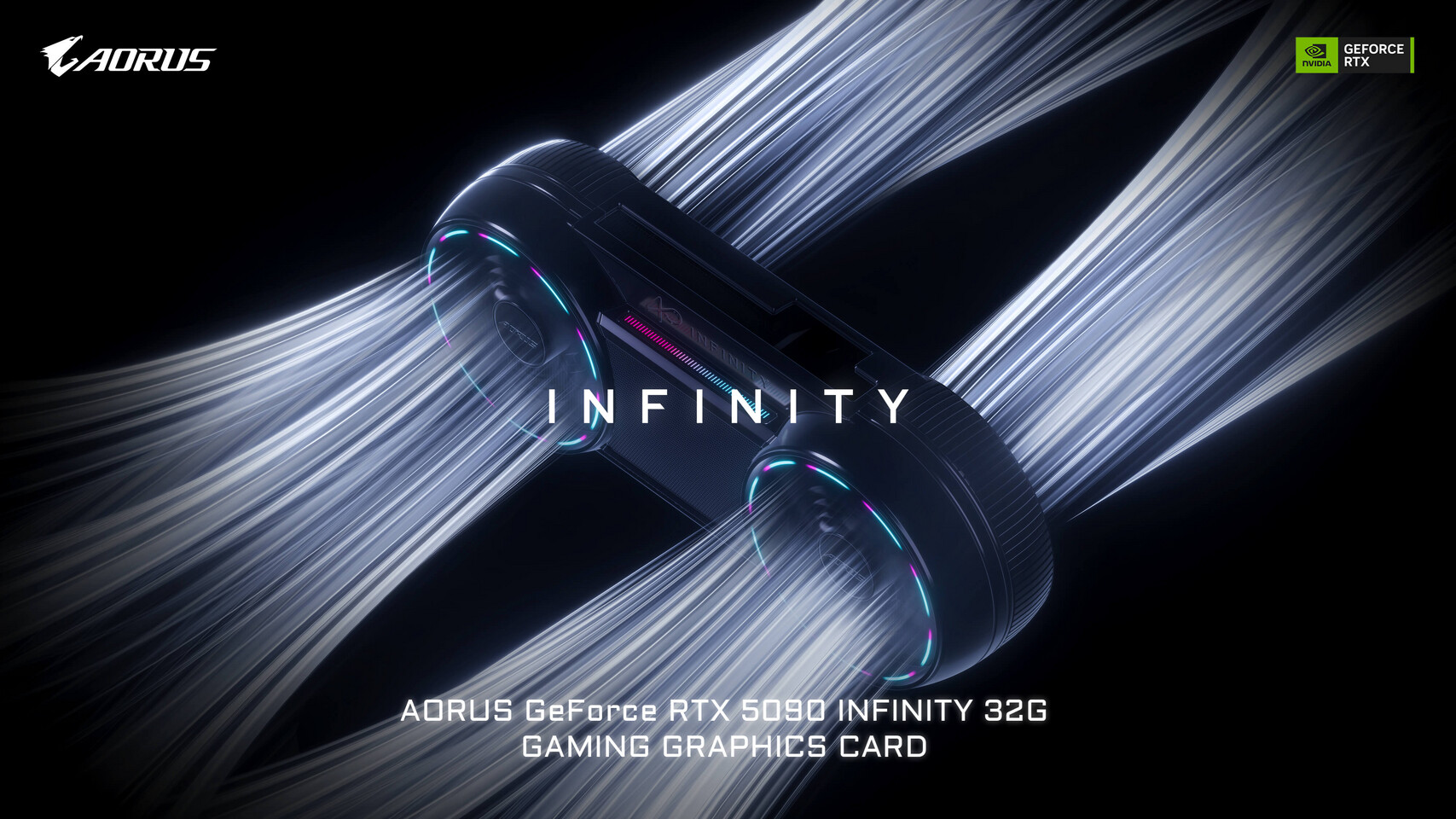
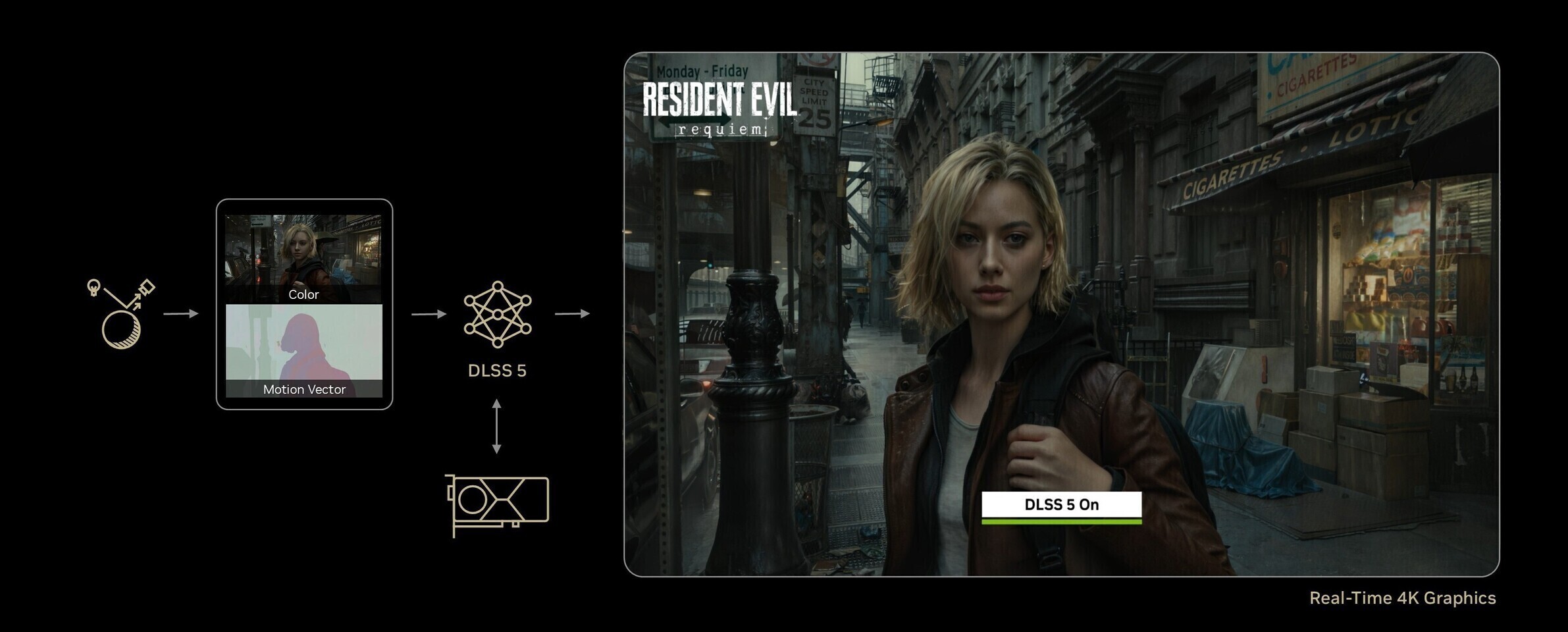
The RTX 50 series from Nvidia has arrived with bold promises: double the performance of the RTX 40 lineup, groundbreaking AI capabilities, and an architecture that could redefine high-end computing. But beneath the marketing hype lies a critical question for PC builders: Is this the next generation of must-have hardware, or is it a leap too far—both in price and practicality? With the RTX 50 9000 starting at $1,599, the stakes are higher than ever.
Under the hood, the RTX 50 series introduces significant architectural shifts. The RTX 50 9000, for instance, features 18,432 CUDA cores operating at a base clock of 2.0 GHz and a boost clock of up to 2.7 GHz. It also moves away from the RTX 40’s HBM2e memory in favor of GDDR7, a change that reflects Nvidia’s focus on balancing raw power with efficiency—though real-world benchmarks are still pending. The Ada Lovelace 2.0 design is touted as a major efficiency leap, but whether it delivers on that promise remains to be seen.
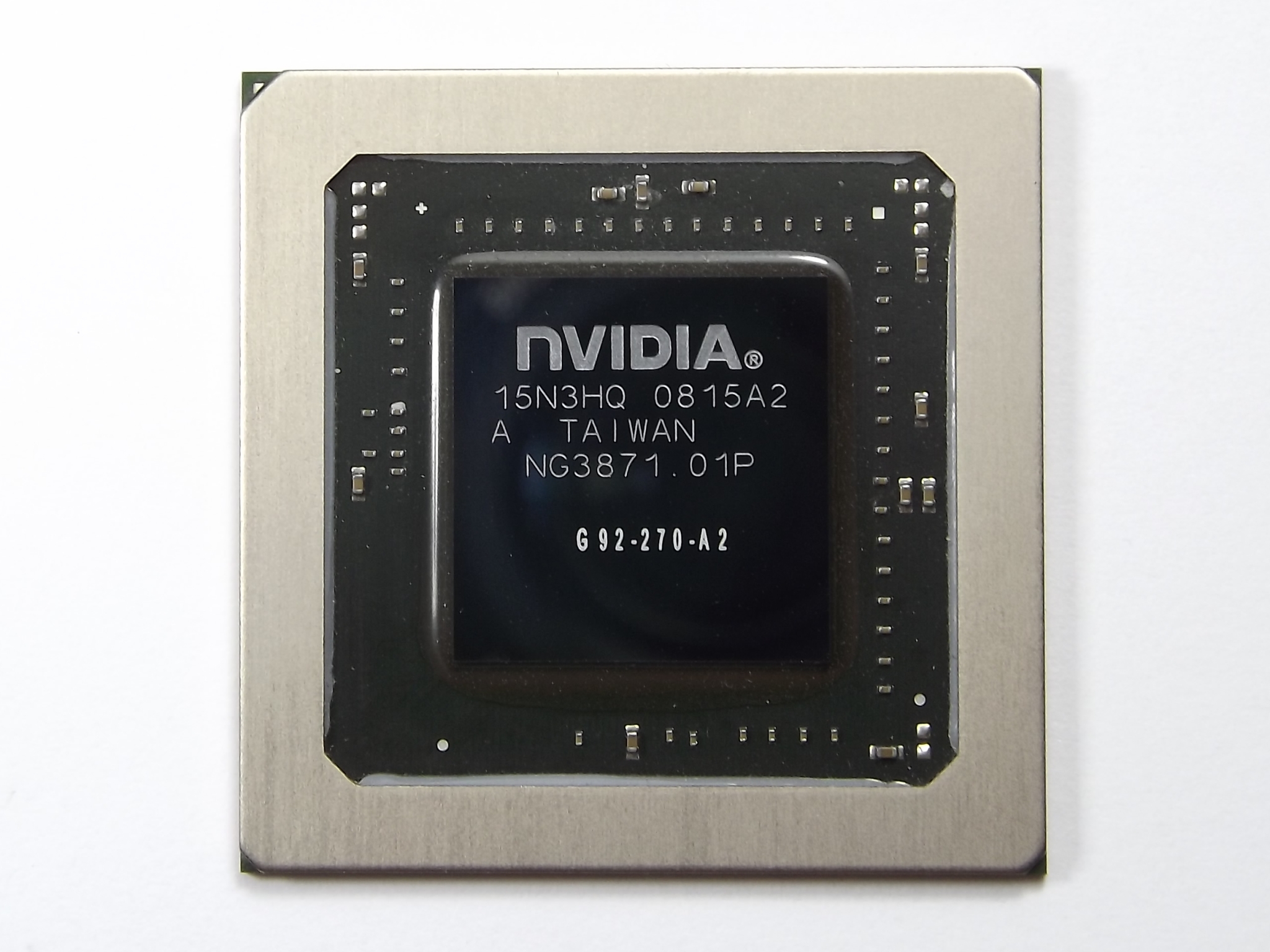
The RTX 50 series isn’t just about gaming; it’s positioned as a gateway for AI development. Nvidia is pushing new APIs and libraries optimized for generative AI tasks, aiming to make this GPU a cornerstone for developers working in emerging fields. However, the software ecosystem is still evolving, meaning that while the hardware may be ready, the tools to fully exploit its capabilities are still maturing. This could leave early adopters waiting for the full potential to materialize.
For PC builders, the biggest concern isn’t just the price—it’s power consumption. The RTX 40 series was already known for its high wattage, and the RTX 50 series is expected to push those limits even further. Without concrete benchmarks confirming efficiency gains, builders may face a tough choice: cutting-edge performance or practical power management. In today’s power-hungry environments, that trade-off isn’t trivial.
So where does the RTX 50 series stand now? On paper, it’s a revolutionary step forward, but real-world performance will determine if it lives up to its potential. For now, builders should approach this as an opportunity for experimentation rather than a guaranteed upgrade path. If efficiency and performance deliver as promised, it could redefine high-end PCs—but until then, caution is advised.