A manufacturing engineer in a mid-sized plant stands at a workstation, reviewing digital blueprints of a new production line. The screen displays real-time simulations of machinery performance, AI-driven optimizations, and collaborative annotations from team members across the globe—all without leaving the facility.
This scenario is becoming increasingly common thanks to NVIDIA’s latest advancements in industrial AI. The tech giant has unveiled two reference designs that promise to simplify the adoption of advanced simulation and digital twin technologies for small businesses: the Vera Rubin DSX AI Factory Reference Design and the Omniverse DSX Digital Twin Blueprint.
The Vera Rubin design is built on NVIDIA’s Omniverse platform, leveraging its robust simulation capabilities. It integrates AI-driven workflows to help engineers model, validate, and optimize factory layouts with unprecedented precision. Meanwhile, the Omniverse DSX blueprint offers a standardized approach to creating digital twins—digital replicas of physical systems—that can be used for real-time monitoring, predictive maintenance, and collaborative decision-making.
For small businesses, these tools represent a significant leap forward in accessibility. Historically, implementing such advanced simulation and digital twin technologies required substantial investment in hardware, expertise, and time. The new reference designs aim to lower those barriers by providing pre-configured, ready-to-deploy solutions that can run on NVIDIA’s A100 GPUs and DGX systems. This means businesses no longer need to start from scratch when building complex industrial simulations or digital twins.
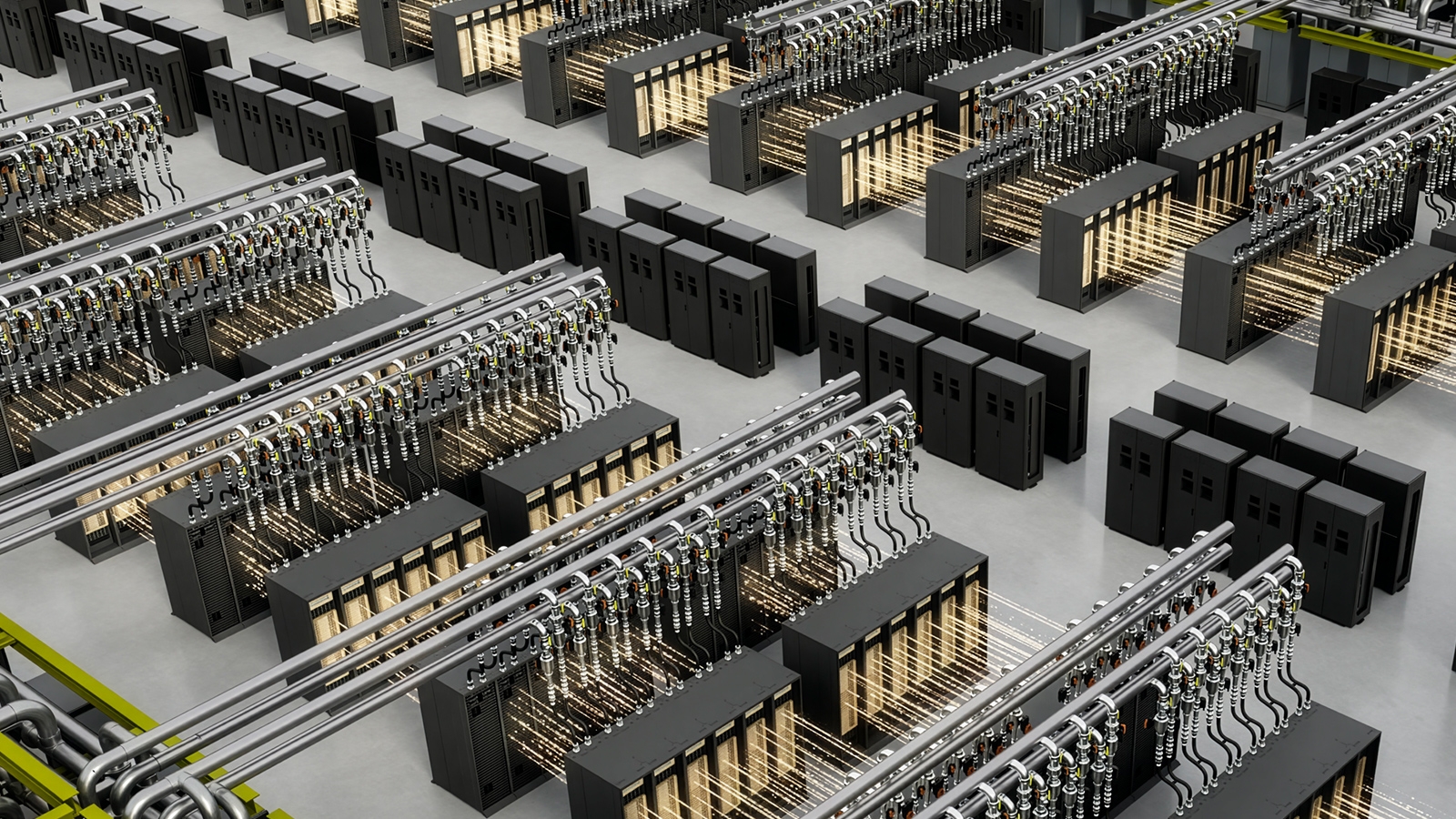
That’s the upside—here’s the catch. While the reference designs themselves are open and available, their full potential hinges on the availability of compatible hardware and software ecosystems. Businesses will still need to invest in high-performance GPUs, such as NVIDIA’s A100 or H100, to fully leverage these tools. Additionally, training and expertise in AI-driven simulation workflows remain critical, though NVIDIA is positioning these designs as part of a broader ecosystem that includes support from industry partners.
Looking ahead, the focus will be on how quickly businesses can scale adoption. The Vera Rubin design, for instance, is already generating interest among manufacturers looking to streamline production line validation. Meanwhile, the Omniverse DSX blueprint is expected to gain traction in industries where real-time monitoring and predictive maintenance are critical, such as automotive or aerospace. For now, NVIDIA has confirmed that both designs will be available for download starting this month, with ongoing updates planned to expand their capabilities.
Where things stand now: Small businesses looking to integrate AI-driven factory design or digital twin technologies into their workflows have a new set of tools at their disposal. While the upfront investment in hardware remains a consideration, the pre-configured nature of these reference designs could significantly reduce the time and complexity associated with adoption. The challenge will be balancing cost with the need for high-performance computing to unlock their full potential.