The battle for visual supremacy in PC gaming rages on, and the front lines are increasingly defined by upscaling technologies. Nvidia’s DLSS (Deep Learning Super Sampling) and AMD’s FSR (FidelityFX Super Resolution) have become cornerstones of modern graphics performance, offering a way to boost framerates without sacrificing too much visual fidelity. With the launch of FSR 4 last year, AMD finally matched Nvidia's DLSS upscaling technology after nearly six years of not having a comparable solution. FSR 4 was widely praised by third-party reviewers, with the general consensus being that it was somewhere between DLSS 3 CNN and DLSS 4 Transformer in terms of image quality, with slightly worse performance than DLSS 4. However, with the release of DLSS 4.5 at CES 2026, it appears that Nvidia is once again poised to open up a lead in upscaled image quality.
DLSS 4.5 achieves a quality improvement over DLSS 4 by numerous changes. Most notable are the following
- Second generation Transformer model
- Significantly larger, higher fidelity training set
- Increased compute cost (5X higher than DLSS 4)
- FP8 on RTX 4000, 5000 (offsetting performance penalty)
Today, we’ll just be taking a look at Preset M.
Test Setup
To compare the current state of Nvidia and AMD's premier upscaling technologies, I’m going to be using the Radeon RX 9070 XT 8GB (for FSR4) and the GeForce RTX 5060 Ti 16GB (for DLSS 4.5). Both of these will be plugged into my testing rig, which has the following specs
- i7-13700K (on MSI Performance Settings)
- MSI Z790MPower motherboard
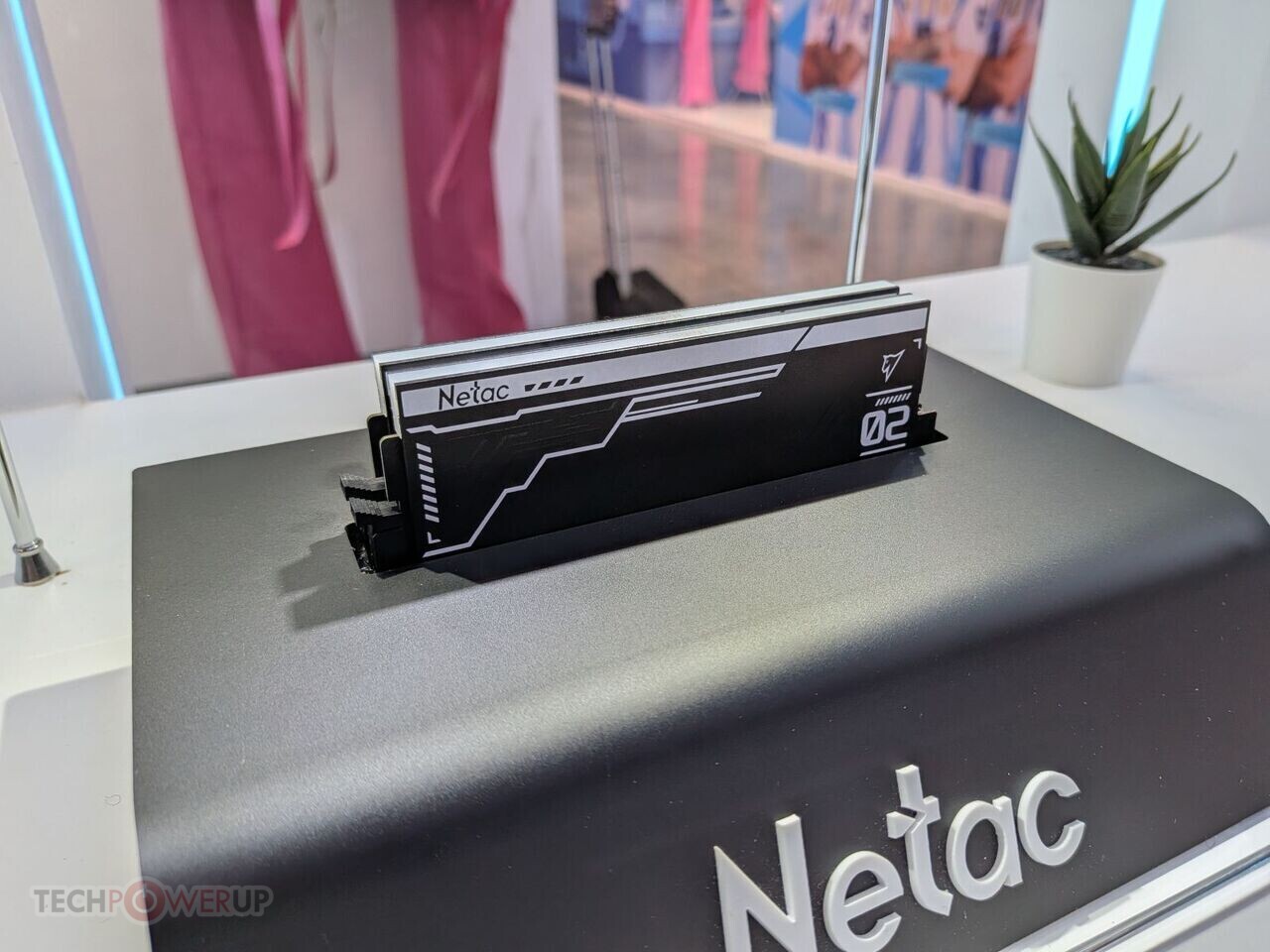
- 2x16GB DDR5 7200 RAM
- Seasonic Focus V3-GX 1000W PSU
- Arctic Liquid Freezer II 420MM AIO
- 2x Samsung 980X 1TB SSDs
- Windows 11 24H2
- AMD Radeon Adrenaline Driver 25.12.1
- Nvidia GeForce Game Ready Driver 591.74
Performance Preset M
Today, we'll just be taking a look at Preset M. Menu in the Nvidia App to override DLSS model presets.
Games Tested
I conducted tests across several titles including Cyberpunk 2077, Hogwarts Legacy, Clair Obscur: Expedition 33, Call of Duty: Black Ops 7 and Forza Motorsport. Each game was evaluated for image quality and performance using the DLSS 4.5 M preset (for Nvidia) and FSR 4.
Results
The testing revealed a nuanced picture. In Cyberpunk 2077, both upscalers delivered comparable image quality with noticeable shimmering around neon lights and textured walls, though DLSS 4.5 demonstrated slightly better control over disocclusion artifacts. Hogwarts Legacy showcased a clear advantage for DLSS 4.5, providing enhanced clarity and sharper visuals due to its more aggressive sharpening. FSR 4 struggled with foliage in motion, exhibiting significant background noise. Clair Obscur: Expedition 33 highlighted the challenges of both technologies when dealing with noisy reflections and disocclusion artifacts. Call of Duty: Black Ops 7 offered a surprisingly close performance comparison, demonstrating that both upscalers could maintain impressive sharpness and motion clarity despite the game’s demanding visuals. Finally, Forza Motorsport presented a unique challenge, as it lacked native FSR 4 support requiring Optiscaler implementation. This resulted in noticeably reduced image quality compared to DLSS 4.5.
Conclusion
The ongoing evolution of DLSS and FSR underscores the continuous drive for improved visual experiences in PC gaming. While DLSS 4.5 currently demonstrates a slight edge in certain scenarios, particularly regarding artifact reduction and clarity, FSR 4 remains a compelling option due to its broader compatibility and open-source nature. The competitive landscape is undoubtedly benefiting gamers, pushing both technologies towards increasingly sophisticated upscaling solutions. Further refinement and optimization are expected as both Nvidia and AMD continue to develop their respective platforms, ensuring that the pursuit of visual fidelity remains at the heart of the gaming experience.