China’s AI industry has unlocked NVIDIA’s H200 GPUs, ending a months-long regulatory standoff that threatened to cede the market to domestic rivals.
DeepSeek, ByteDance, Alibaba, and Tencent are among the first to receive approvals, with initial orders potentially surpassing 400,000 units—a figure that could swell to 2 million chips if demand holds.
Despite the H200 being a two-year-old architecture, its dominance in training large language models makes it a critical tool for China’s AI labs, which have struggled with limited access to cutting-edge hardware.
The reversal follows NVIDIA’s aggressive lobbying in Beijing, including a profit-sharing agreement with Chinese authorities and a shift toward stricter export controls to appease U.S. regulators.
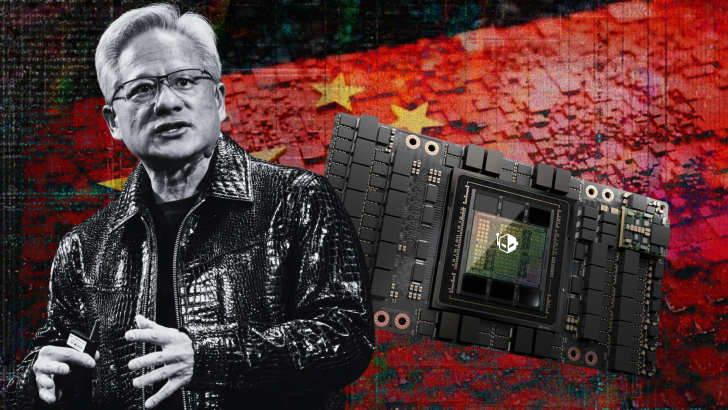
- NVIDIA’s China revenue, which dropped to near zero earlier this year, stands to recover if demand materializes, offsetting losses from domestic chip competitors like Huawei’s Ascend series.
- Chinese hyperscalers are prioritizing the H200 over homegrown alternatives, which have yet to match NVIDIA’s ecosystem of software and developer support.
- Beijing may impose conditions on H200 deployments, including mandatory localization of AI models or joint ventures with Chinese firms—a tactic to balance access with strategic autonomy.
NVIDIA’s next-gen chips, codenamed Rubin, remain blocked by U.S. export restrictions, leaving China dependent on legacy hardware for the near term.
Frontier AI labs, including those developing next-generation large language models, will now gain access to significantly more compute power, potentially accelerating China’s push to rival U.S. and European AI leadership.
Domestic chipmakers, though, may face pressure to innovate faster if NVIDIA’s dominance reasserts itself, forcing Beijing to weigh short-term gains against long-term self-sufficiency.
For NVIDIA, the approvals mark a pivotal test of whether its diplomatic efforts can translate into sustained market share—or if China’s regulatory whiplash will continue to disrupt supply chains.