NVIDIA’s supply strategy for the GeForce RTX 50 series is taking a sharp turn, with three specific GPUs set to dominate shipments in the first quarter of 2026. These models—all equipped with 8GB or 12GB VRAM—will make up a staggering 75% of total GPU output, leaving higher-end variants like the RTX 5060 Ti 16GB and RTX 5070 Ti in short supply.
The shift underscores a broader industry challenge: VRAM costs have risen significantly, forcing manufacturers to prioritize lower-memory configurations. For NVIDIA, this means the RTX 5060 (8GB), RTX 5060 Ti (8GB), and RTX 5070 (12GB) will carry the bulk of production, while the more powerful 16GB variants will remain scarce.
This approach creates a clear gap in NVIDIA’s lineup. The RTX 5070, now the highest-available model with 12GB VRAM, becomes the bridge between the 8GB cards and the premium RTX 5080 and RTX 5090. Meanwhile, AMD’s RX 9060 XT (16GB) and RX 9070 XT remain more accessible, though the latter has seen price surges in recent weeks.
Key Connectivity and Ports
- Display Outputs: HDMI 2.1, DisplayPort 1.4a (3x)
- Video Encoding: NVENC with 8K support
- USB-C: USB 3.2 Gen 2x2 (for external GPUs)
The focus on 8GB and 12GB GPUs may disappoint enthusiasts seeking high-end performance, but it aligns with a broader trend in the market. As VRAM costs climb, manufacturers are forced to rethink pricing and availability, leaving buyers with fewer but more optimized options.
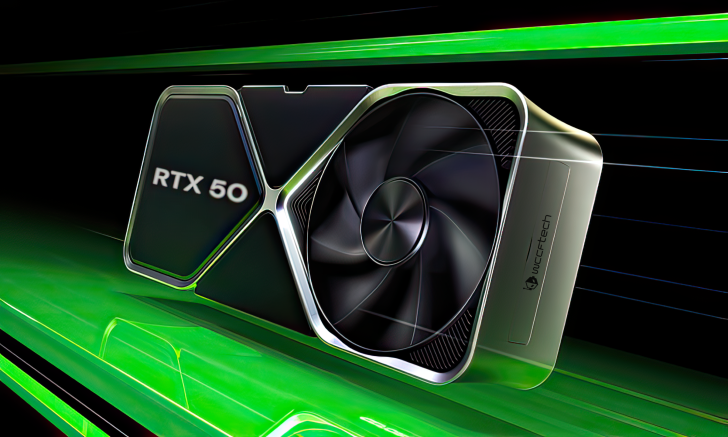
- RTX 5060 (8GB): Entry-level performance, ideal for 1080p gaming
- RTX 5060 Ti (8GB): Mid-range 1080p/1440p, now the most balanced choice
- RTX 5070 (12GB): 1440p/4K potential, filling the gap before the RTX 5080
- Higher-end models (5070 Ti, 5080, 5090): Limited supply, 16GB+ VRAM
The RTX 5070, in particular, becomes a critical card for NVIDIA. With 12GB of VRAM, it competes indirectly with AMD’s RX 9070 XT while offering DLSS 4.5 and better ray tracing capabilities. However, its 4GB VRAM deficit compared to the 16GB models means it won’t replace the RTX 5070 Ti for demanding workloads.
For buyers, this strategy means tighter availability for high-end GPUs but more consistent stock for mid-range options. Pricing for the RTX 5060 Ti 16GB has already doubled in some regions, reinforcing NVIDIA’s push toward lower-memory alternatives.
Availability for these models remains tied to manufacturer production cycles, with no confirmed retail dates beyond the Q1 2026 outlook. The focus on 8GB and 12GB configurations suggests NVIDIA is adapting to market realities—whether gamers and creators will follow remains to be seen.