Nvidia is making a calculated move into Linux gaming, a territory it has long neglected despite its dominance in Windows graphics. The company has posted two specialized job openings: one for a Linux Graphics Senior Software Engineer and another for a Senior System Software Engineer focused on Vulkan performance. The roles suggest a deliberate effort to improve compatibility and performance for Linux-based gaming platforms, particularly those relying on Valve’s Proton and Vulkan API.
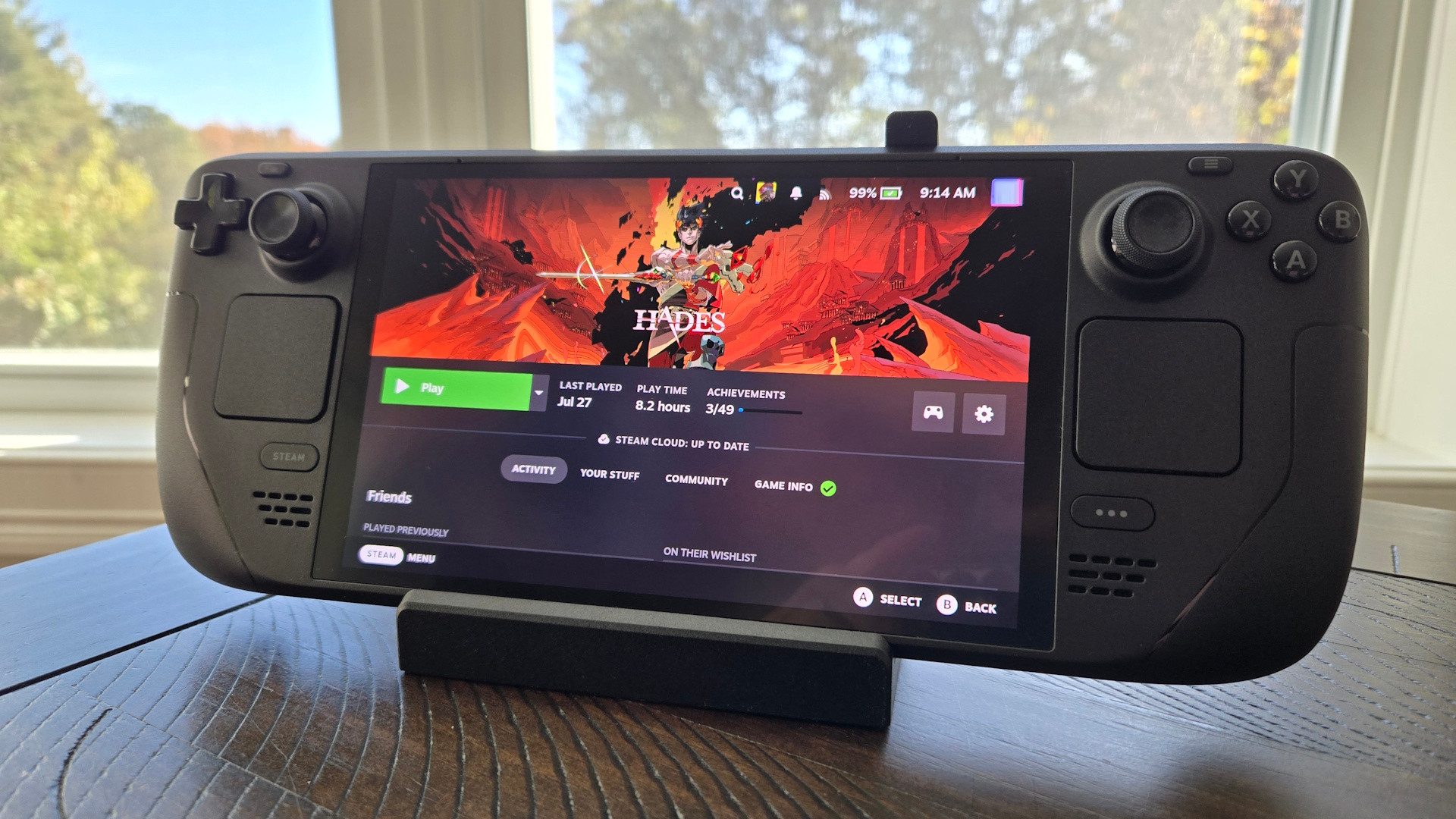
The hiring push arrives as Linux gaming gains traction beyond niche enthusiast circles. Valve’s Steam Deck and the upcoming Steam Machine have accelerated adoption of SteamOS, a Linux distribution tailored for gaming. While AMD’s Radeon GPUs currently power most of these systems, Nvidia’s entry into the space could reshape driver development—a historically weak point for the company on Linux.
The Vulkan Performance role explicitly mentions diagnosing bottlenecks in both Vulkan and Proton titles, as well as implementing driver optimizations. This is a direct acknowledgment of Nvidia’s past struggles with Linux support, where drivers often lagged behind Windows counterparts in features and stability. The move also reflects a broader industry shift: as Windows alternatives grow, hardware vendors must adapt or risk losing ground to competitors who already have a foothold.
For Linux gamers, the implications are significant. Nvidia’s involvement could lead to better performance in Proton-enabled games, reduced compatibility issues, and potentially even native Linux driver improvements. However, the company’s reputation for slow Linux updates means skepticism remains—especially given that most current Linux gaming hardware still relies on AMD’s integrated and discrete solutions.
A Strategic Pivot
Nvidia’s focus on Vulkan is particularly telling. The API is a cornerstone of Proton, Valve’s tool for running Windows games on Linux without emulation. By targeting Vulkan performance, Nvidia is effectively aligning with the most critical layer of Linux gaming infrastructure. The job listings also hint at a broader strategy: if SteamOS and other Linux-based gaming platforms continue to expand, Nvidia may see an opportunity to capture market share in both hardware and software.
Yet challenges remain. Anti-cheat systems like BattlEye and Easy Anti-Cheat still pose obstacles for Linux gaming, and Nvidia’s past record on Linux driver quality will be scrutinized. The company’s decision to prioritize these roles suggests confidence in turning that record around—or at least in mitigating its impact on a growing user base.
Who Stands to Benefit?
- Linux Gamers: Potential for smoother performance in Proton games, fewer driver-related issues, and broader hardware support.
- Steam Deck and Steam Machine Users: If Nvidia’s drivers improve, discrete GPU options (like the rumored Steam Machine) could become more viable.
- Competitors: AMD holds a strong lead in Linux gaming hardware, but Nvidia’s entry could force both companies to innovate faster.
- Nvidia: A chance to reclaim influence in a segment it previously ignored, while reinforcing its position as a leader in graphics technology.
The hiring announcements don’t confirm a timeline for driver improvements, but they signal a clear intent. For Linux gaming to thrive, hardware and software must align—and Nvidia’s new roles suggest it’s finally taking that alignment seriously.