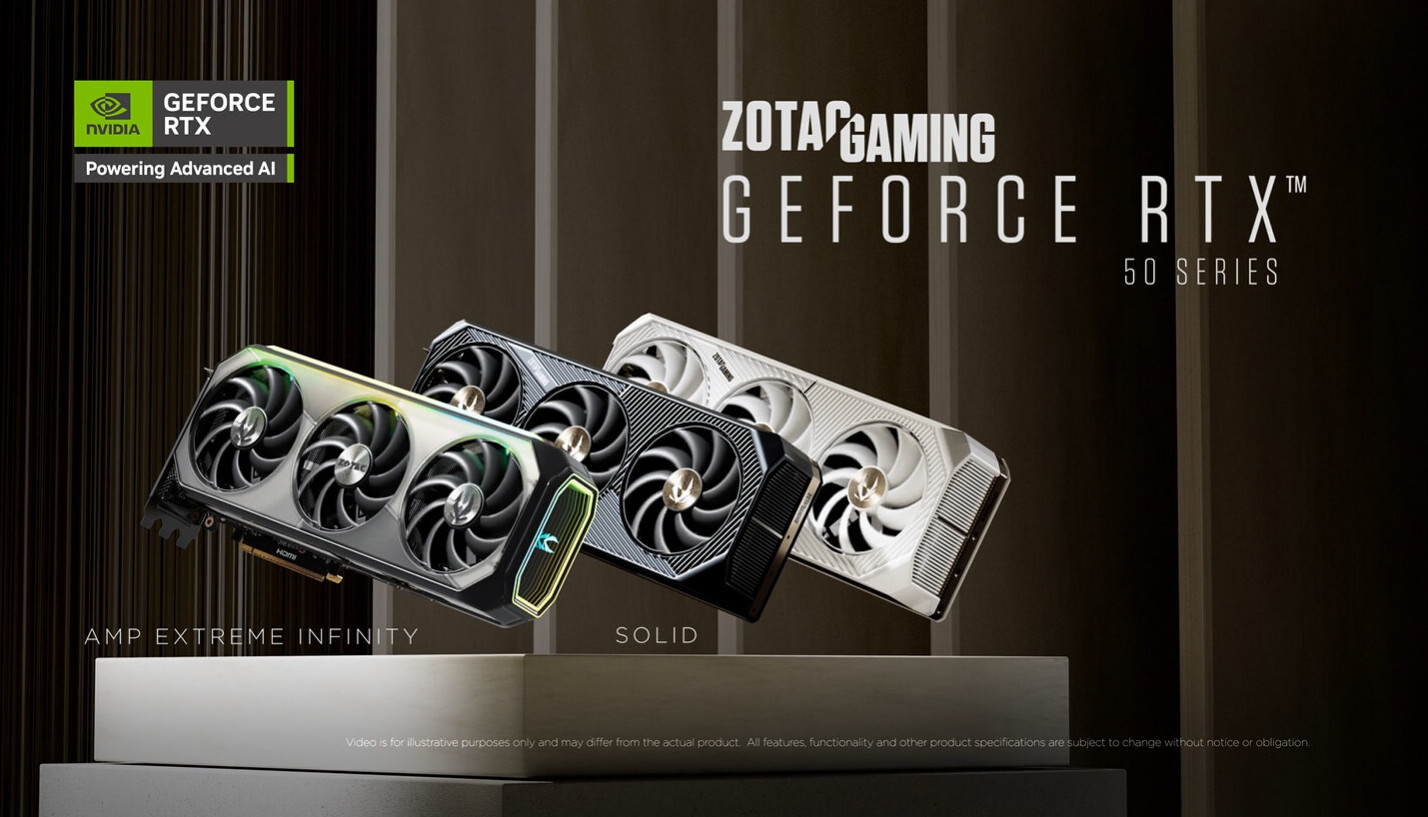
The abrupt shift in NVIDIA’s pricing strategy for its RTX 50-series GPUs has sent shockwaves through the PC hardware market. ZOTAC, one of the company’s add-in-card partners, has reportedly increased the manufacturer’s suggested retail prices (MSRPs) for its custom GeForce RTX 50-series graphics cards, prompting widespread cancellations and refunds for recent buyers.
This marks a significant turning point for NVIDIA’s Open Price Program (OPP), which had long allowed partners to price GPUs competitively. The program’s reported conclusion—amid a global memory supply crunch and reduced GPU die allocations—has forced manufacturers like ZOTAC to absorb higher costs, which are now being passed directly to consumers.
A 20% Price Surge and Order Cancellations
Customers who purchased ZOTAC’s RTX 50-series cards in recent weeks are now facing steep price hikes. The most dramatic adjustment is seen in the RTX 5090, which has jumped from an estimated $2,500 to $2,999. The RTX 5080 SUPER, previously listed around $1,249, now carries a $1,499 tag, while the base RTX 5080 has risen from $999 to $1,249. Even mid-range models like the RTX 5070 Ti have seen increases, with prices climbing from $749 to $949.
Frustration among buyers has intensified as some report receiving cancellation emails from ZOTAC’s customer service team. In one widely shared case, a user who pre-ordered an RTX 5070 Ti 16GB through ZOTAC’s North American store was notified that their purchase could not be fulfilled due to a ‘system error.’ Similar issues have been documented across platforms, with affected customers receiving full refunds but no explanation for the abrupt changes.
Walmart and Newegg have also halted sales of Blackwell-based GPUs, including ZOTAC’s lineup, further complicating the market for consumers seeking these high-end cards.
Why This Matters for PC Builders
The end of OPP removes a key pricing buffer for add-in-card manufacturers, leaving them vulnerable to supply chain pressures. With NVIDIA reportedly reducing RTX 50-series production by up to 40% in early 2026, competition for limited GPU dies has intensified, driving up costs. AMD’s Radeon RX 9000 series, which offers strong 4K performance—up to 42% faster than the Radeon RX 7900 GRE in some benchmarks—may now present a more stable alternative for price-sensitive buyers.
For those who secured deals before the price hikes, timing was critical. One buyer managed to purchase a PNY RTX 5070 Ti for the original $749 MSRP just days before ZOTAC’s adjustments took effect. Meanwhile, ZOTAC’s North American webstore remains inaccessible due to reported maintenance, adding to the uncertainty.
What’s Next for the RTX 50-Series?
NVIDIA’s upcoming SUPER variants for the RTX 50-series—expected to debut at CES 2026—could introduce new pricing dynamics. Models like the RTX 5080 SUPER (24GB) and RTX 5070 SUPER (18GB) may face similar cost pressures, though exact pricing remains unconfirmed. Until then, buyers should proceed with caution, verifying availability and pricing before committing to purchases.
The fallout from these changes underscores the fragility of the GPU market, where supply constraints and manufacturer decisions can drastically alter consumer options overnight.