Intel’s latest mobile chip, the Core Ultra X9 388H, isn’t just another incremental upgrade—it’s a technical marvel that redefines what integrated graphics can achieve. The built-in Arc B390 GPU inside this processor doesn’t just keep pace with older dedicated GPUs; under optimized testing, it even outpaces a 60-watt RTX 4050 mobile GPU in certain scenarios. But here’s the catch: this performance comes with caveats that make it far from a universal solution for gamers.
The X9 388H’s integrated graphics tile is a feat of engineering, delivering results that would have been unthinkable just a few years ago. Intel claims the chip is 10% faster in gaming than a laptop equipped with an RTX 4050, but with a critical asterisk: the comparison is based on a 60-watt system with 2x upscaling enabled—a setting that artificially boosts performance in less demanding titles. Even then, the entire chip consumes just 45 watts during testing, a far cry from the 60–120 watts typical of dedicated GPUs.
The Reality of Integrated Power
For context, the RTX 4050 mobile GPU is already an entry-level option, capable of handling 1080p gaming at modest settings. The B390’s performance isn’t just competitive with older integrated GPUs—it’s a leap forward. However, this doesn’t mean it’s ready to replace discrete GPUs. The B390’s strength lies in efficiency and low-power scenarios, not raw performance in demanding games. Think of it as a bridge between integrated graphics and dedicated GPUs—not a full replacement.
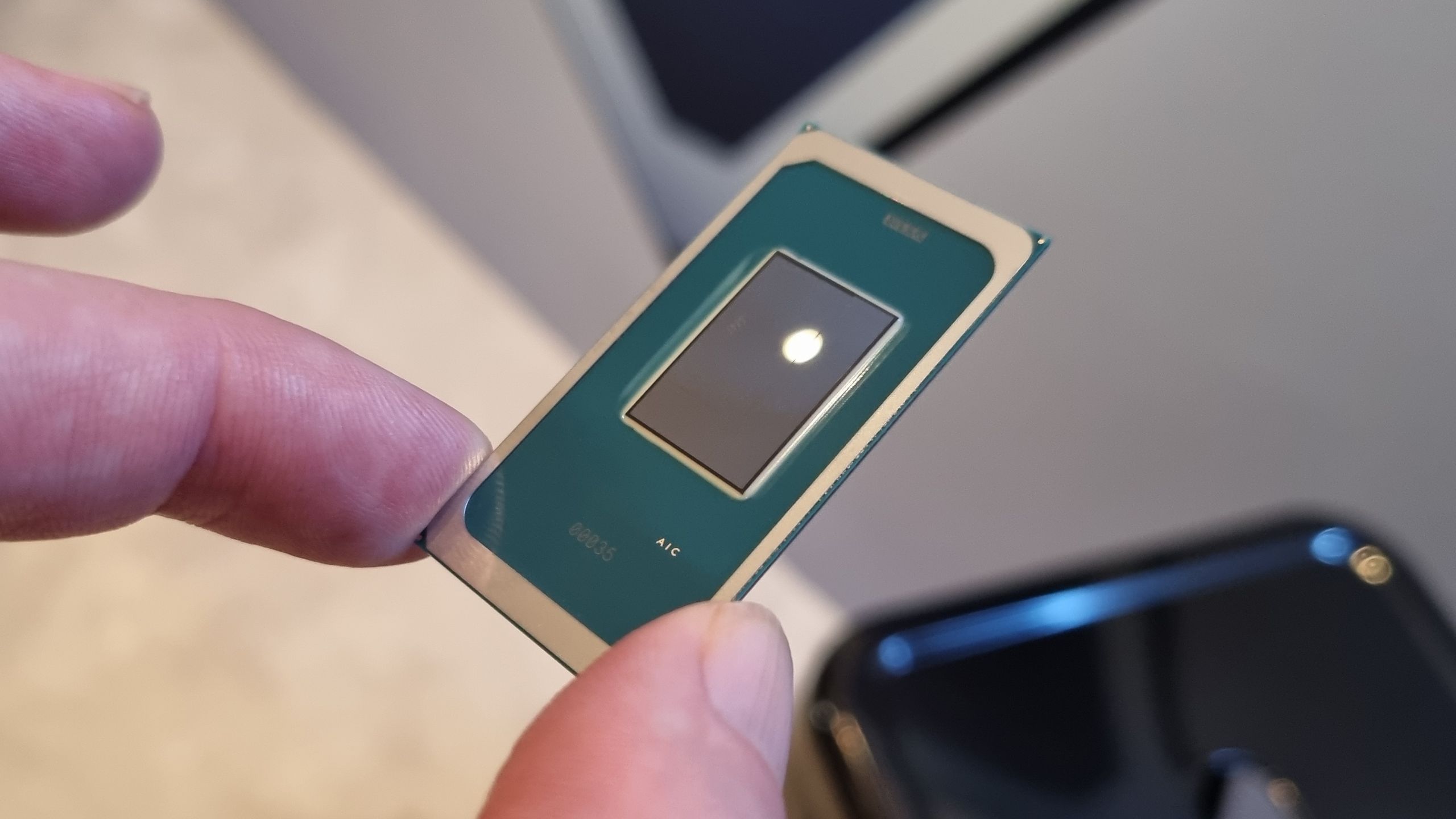
This isn’t a knock on Intel’s achievement. The B390’s performance is remarkable for an integrated solution, especially when considering its tiny footprint on the chip. But for gamers who demand high frame rates in modern titles like Cyberpunk 2077 or Starfield, the limitations become clear quickly. The B390 shines in esports titles or older games, where it can rival low-end dedicated GPUs—but push it further, and the gaps widen.
Who Benefits?
The X9 388H’s integrated graphics are a game-changer for ultra-thin laptops where power efficiency is paramount. These devices often sacrifice dedicated GPUs for battery life and portability, and the B390 offers a compelling alternative for users who don’t need high-end performance. Creators working with light video editing or casual gamers might find it sufficient, but hard-core gamers will still reach for dedicated GPUs.
For manufacturers, the B390 reduces the need for complex GPU integration in entry-level laptops, simplifying designs and potentially lowering costs. But it won’t eliminate the demand for discrete GPUs in gaming-focused machines. The X9 388H is a step forward, not a leap into a GPU-less future.
The Bottom Line
Intel’s Panther Lake chip is a testament to what’s possible with integrated graphics, but it’s not a one-size-fits-all solution. Its performance is impressive for an iGPU, yet it remains constrained by power and architecture. For now, dedicated GPUs still hold the crown in high-end gaming, while the B390 carves out a niche in efficiency and portability. The future of mobile graphics is brighter than ever—but it’s not monochrome.