NVIDIA’s RTX 40 series has redefined what’s possible in gaming, delivering unparalleled frame rates and rendering capabilities that push the boundaries of visual fidelity. Yet, beneath this performance surge lies a quiet but profound security challenge: researchers have identified vulnerabilities in these GPUs that could allow attackers to exploit memory structures, potentially granting them unauthorized access to systems without conventional detection methods.
At the core of this issue is a technique known as Rowhammer, which has traditionally been associated with system RAM. However, recent findings indicate that NVIDIA’s latest GPUs—particularly those using high-bandwidth memory 2e (HBM2e)—are also susceptible to this method. The exploit works by repeatedly accessing specific memory rows, inducing bit flips that can create stable faults in adjacent memory cells. These faults, once established, can be leveraged to escalate privileges or execute arbitrary code, all while evading traditional security measures.
Who Is Affected and Why It Matters
- Gamers using RTX 40 series GPUs for high-end gaming, especially those running demanding titles that maximize GPU memory usage.
- Professional users, including workstations equipped with NVIDIA’s professional-grade cards (e.g., Quadro or Turing-based models) for rendering, AI workloads, or real-time data processing.
- Systems where GPU workloads are unpredictable or dynamic, such as cloud instances or remote sessions, where physical access is limited but software-level exploits remain a viable threat vector.
The critical difference here is that these vulnerabilities target GPU memory rather than system RAM. This means even systems with patched operating systems or drivers could still be at risk if the underlying hardware behavior isn’t addressed. Unlike traditional Rowhammer attacks, which primarily affect system stability, this exploit could compromise entire platforms, including both gaming and professional environments.
The Performance-Security Dilemma
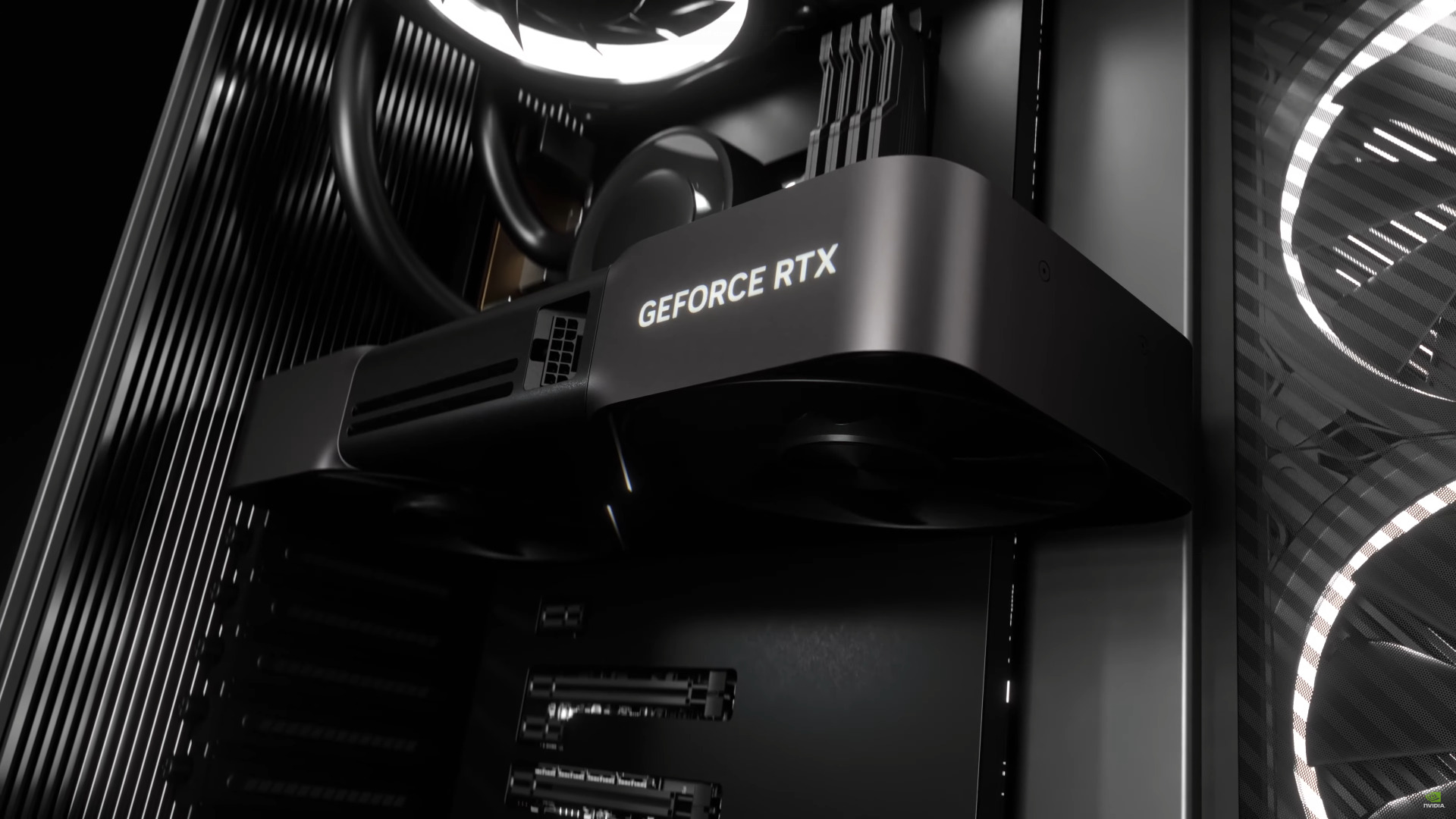
For power users—whether they’re competitive gamers or professionals pushing the limits of GPU-driven applications—the RTX 40 series presents a unique dilemma. On one hand, these GPUs offer substantial performance improvements over previous generations, with features like ray tracing acceleration and AI-enhanced upscaling delivering unprecedented visual quality. On the other hand, the security risks introduced by these same hardware advancements force users to reconsider their upgrade strategies.
NVIDIA has not yet provided a clear timeline for mitigations, leaving the door open to speculation about whether this is an immediate concern or one that will require future firmware or driver updates. Until then, the best defense remains proactive monitoring of system behavior, particularly in environments where GPU workloads are dynamic or unpredictable. However, the nature of this vulnerability suggests that hardware-level fixes may be necessary to fully address the risk.
The tension between performance and security has always been a balancing act in the tech industry, but with Rowhammer now affecting high-end GPUs, that balance is more precarious than ever. Whether NVIDIA can resolve this without sacrificing speed or innovation remains an open question—one that will shape the future of gaming and professional computing ecosystems.