In the competitive landscape of high-performance computing, GPUs often fall short of their advertised capabilities without proper software optimization. NVIDIA’s RTX 50 series, with its GDDR7 memory and power ratings reaching 2500 watts, was positioned as a benchmark for extreme performance—but a subtle driver limitation had been holding it back since launch.
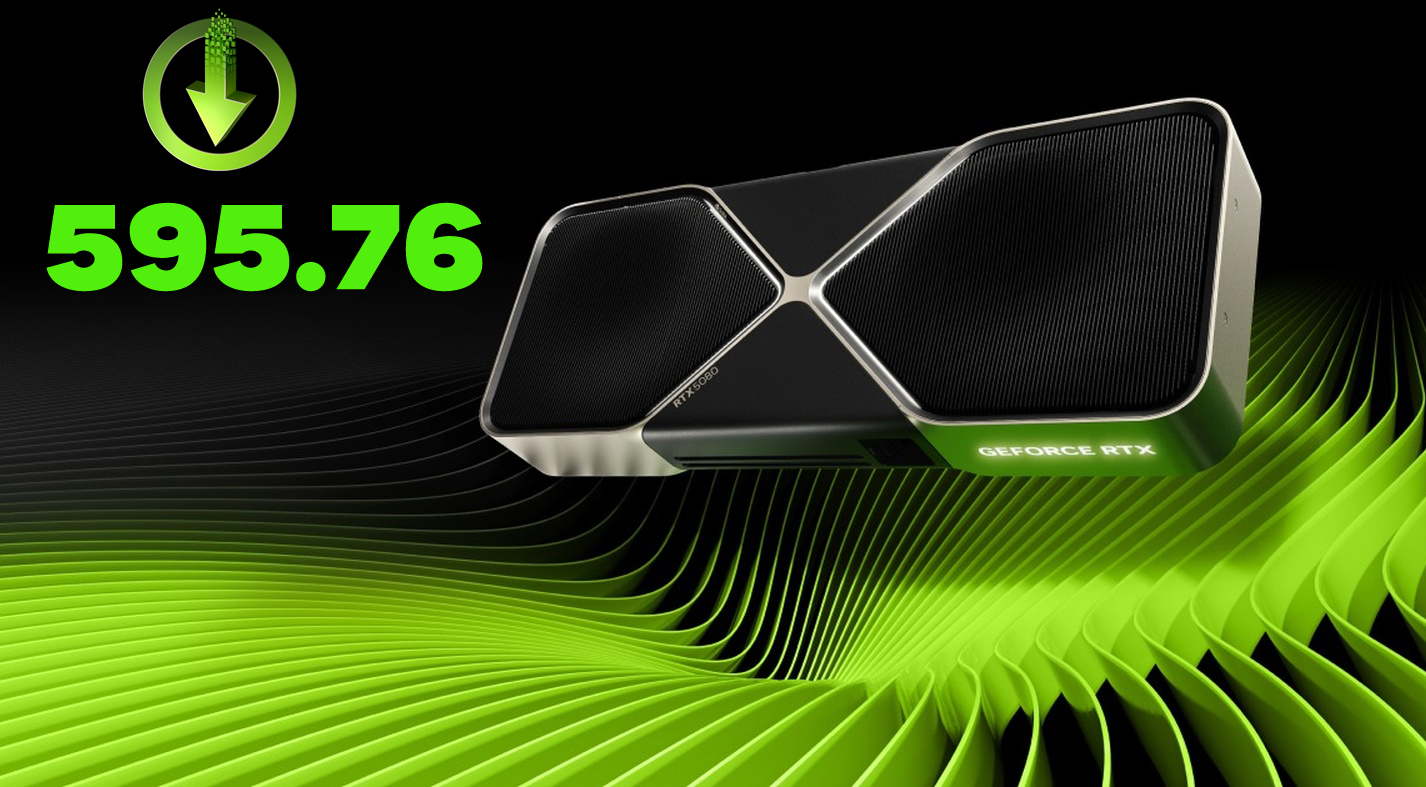
That limitation has now been corrected in the latest driver update. The change removes an artificial cap on core voltage that prevented RTX 50 GPUs from operating at their intended clock speeds. Prior to this fix, even under heavy load, some cards struggled to maintain stable performance above 3 GHz. With the new version, users can now push frequencies closer to 3.75 GHz in certain workloads, though cooling and power delivery remain critical factors for sustained performance.
Performance Gains That Matter
The impact of this update is most noticeable in real-world gaming scenarios. Titles such as Steel Nomad show nearly a 7% improvement in benchmark scores, while others, including Assetto Corsa and BeamNG, report frame-rate gains between 15 and 30 FPS. These improvements are not marginal; they represent a meaningful restoration of performance that was previously constrained by the driver’s behavior.
Hardware Specifications Unchanged
The update does not alter the RTX 5090’s core specifications: it still features 24 GB of GDDR7 memory and maintains its 2500-watt power draw under full load. What has changed is how efficiently those specifications are utilized. The fix ensures that voltage scaling works as intended, allowing GPUs to operate closer to their designed performance envelope without requiring manual overclocking.
A Shift Toward Software Maturity
This correction reflects a broader trend in GPU development: as hardware becomes more complex—with features like adaptive voltage control and dynamic clock scaling—the software layer must evolve accordingly. Early adopters of the RTX 50 series encountered unexpected limitations that underscored how even minor driver issues can disproportionately affect performance. With this update, NVIDIA has effectively restored some of those lost gains, reinforcing the importance of iterative improvements in maintaining performance parity with hardware advancements.
The next challenge will be ensuring these efficiency gains translate into sustained real-world benefits, particularly as power consumption remains a critical concern for high-end GPUs. For now, users who upgrade to this driver can expect a noticeable difference—one that brings the RTX 50 series closer to its advertised potential and sets a new standard for software-driven performance optimization in high-performance computing.