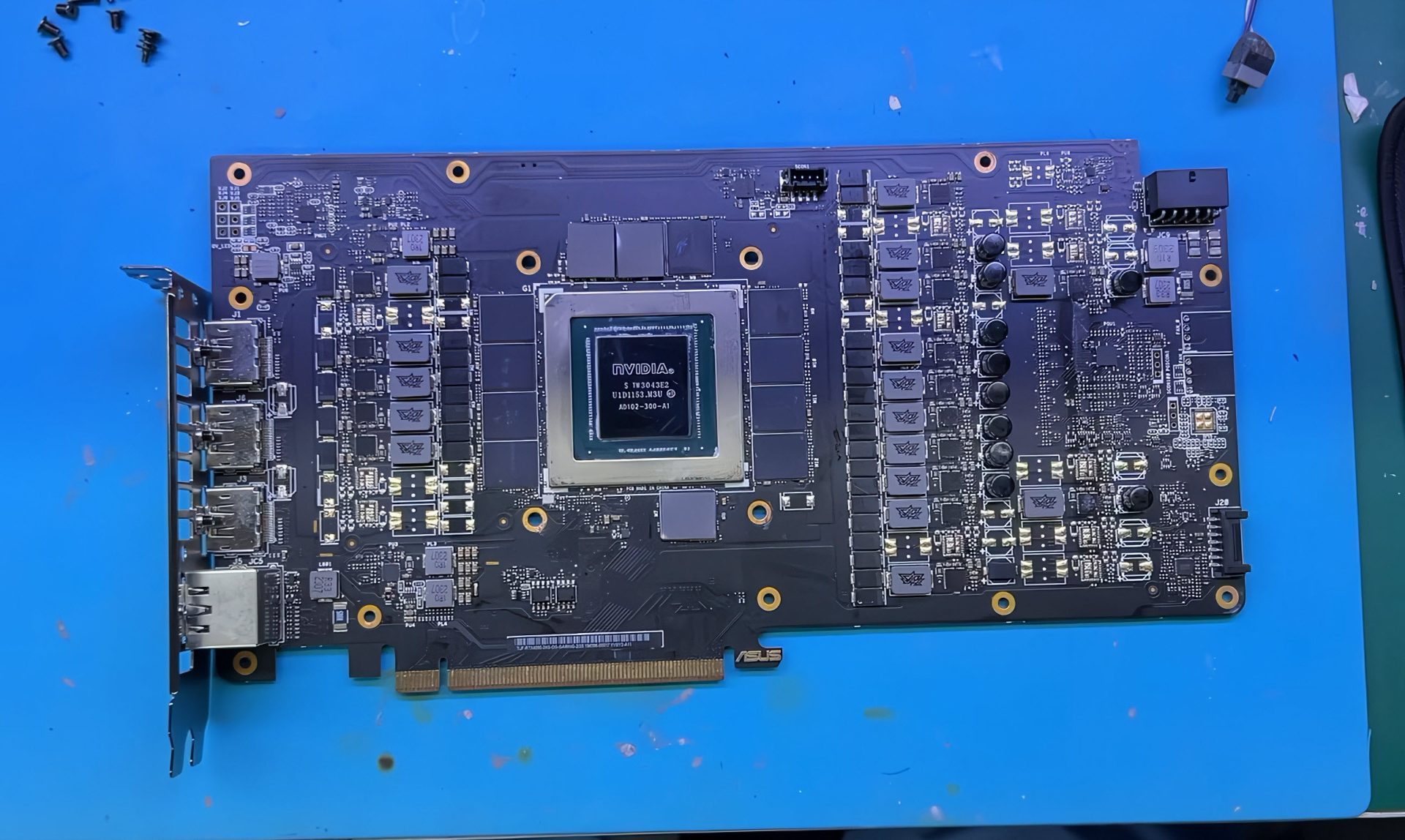
NVIDIA’s RTX 50 series—spanning the RTX 5090, RTX 5070, and RTX 5060—marks a deliberate departure from past patterns. Unlike previous generations that prioritized raw performance, these GPUs are built to navigate a market where memory costs have surged by up to $165 since early 2025. The shift is not just about specifications; it reflects broader industry pressures that could redefine how GPUs are priced and sold in 2026.
The RTX 5070, for instance, positions itself as a mid-range option with a 16 GB frame buffer and a 384-bit memory bus—features that were once reserved for higher-tier models. Yet, its $90 price tag (before taxes) is a stark contrast to the RTX 5090, which starts at $500 and scales upward depending on configuration. This tiering suggests NVIDIA is attempting to balance demand with supply constraints, but the question remains: can it do so without alienating either budget-conscious consumers or enterprise buyers?
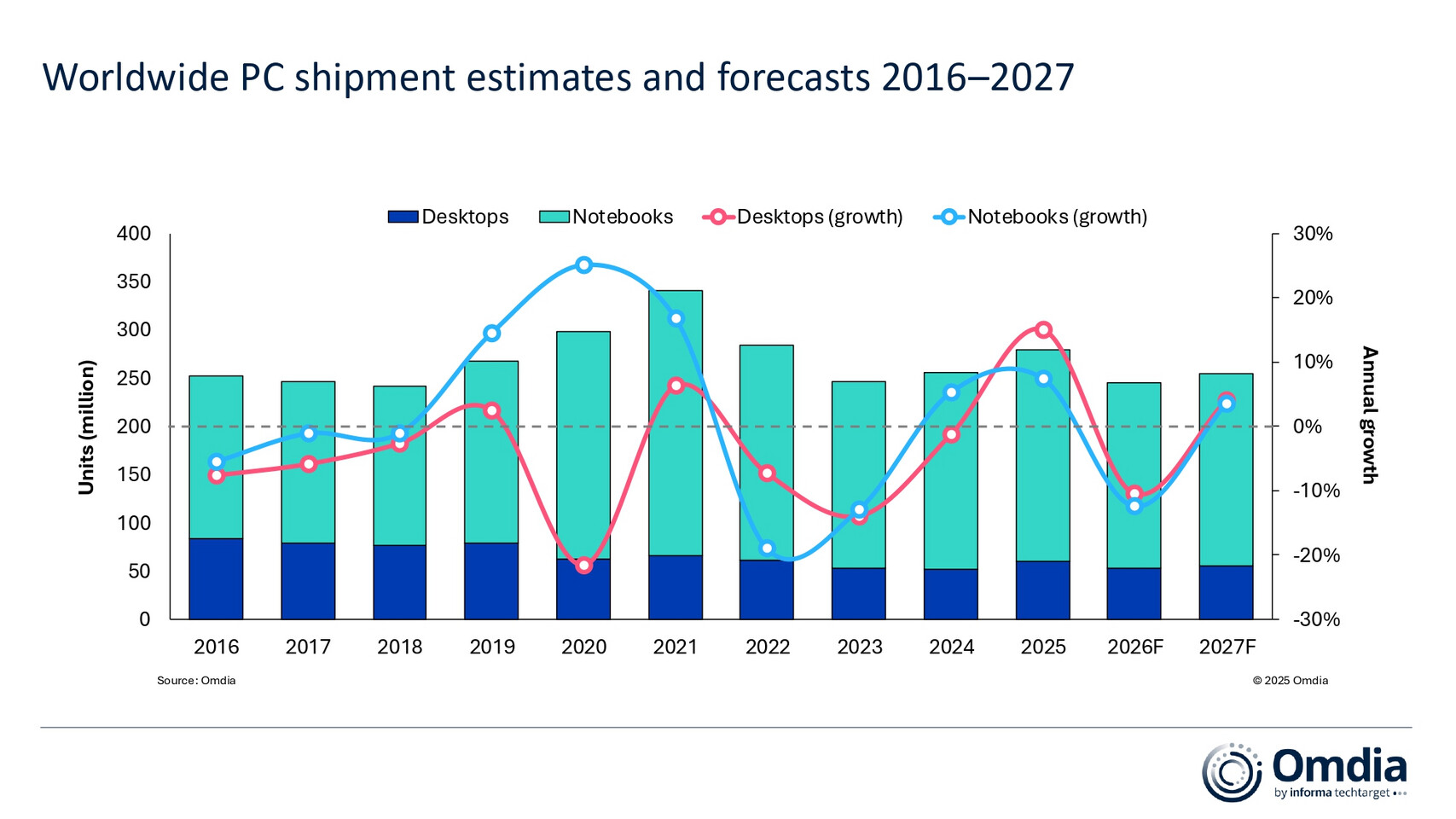
Memory shortages have already forced PC vendors to adjust their strategies. Desktops and laptops are expected to decline by 10% and 12%, respectively, in 2026, with the most significant impact hitting PCs priced below $500. NVIDIA’s RTX 50 series may offer a lifeline for higher-end buyers, but whether it can mitigate the broader market downturn is unclear.
The RTX 5090, in particular, stands out as a high-risk, high-reward proposition. With AI-driven demand pushing prices toward $5,000 in some segments, NVIDIA’s ability to stabilize production while managing costs will be critical. If memory prices continue to climb, even premium GPUs could face downward pressure on margins—a scenario that would force a reevaluation of long-term roadmaps.
- Key specs:
- RTX 5090: Starts at $500; AI-focused configurations
- RTX 5070: 16 GB memory, 384-bit bus, $90 price point
- RTX 5060: Budget-friendly option under $165
The RTX 50 series also introduces RDNA architecture refinements, but without the usual fanfare around new process nodes or clock speeds. This quiet approach may reflect NVIDIA’s focus on sustainability rather than performance alone—a strategy that could resonate with enterprise buyers concerned about total cost of ownership.
For now, the biggest unknown is whether this shift will be enough to offset broader market trends. If memory shortages persist, even the most optimized GPUs may struggle to justify their price points. Buyers should watch for potential price adjustments in late 2026, as supply chains continue to tighten.