The death of NVIDIA’s Open Price Program (OPP) marks the beginning of the end for MSRP GPUs. Sources close to the ecosystem confirm the program—once a cornerstone for manufacturers to sell cards at recommended prices—has been terminated, leaving the door wide open for steep retail markups. The immediate casualty? The RTX 5070 Ti, now facing production cuts as NVIDIA redirects resources toward the higher-margin RTX 5080. Industry observers expect this shift to push prices for mid-range GPUs into uncharted territory, potentially doubling over recommended prices within months.
Der8auer, a prominent hardware analyst, flagged the OPP’s cancellation as a turning point, arguing that the program’s elimination removes the last barrier to unchecked pricing. While the RTX 5070 Ti isn’t being discontinued outright, its supply is being slashed to prioritize the RTX 5080—a move that aligns with NVIDIA’s broader strategy of consolidating its lineup around fewer, more profitable models. The RTX 5080, which already sells at 1.5–2 times MSRP, is poised to become the new mid-range flagship, further squeezing the 5070 Ti into obscurity.
The ripple effects extend beyond NVIDIA. AMD’s RDNA 4 lineup, which includes the RX 9060 XT and RX 9070, is following a similar script: 8GB variants are being deprioritized in favor of 16GB models. The RX 9060 XT 16GB and RX 9070 XT now dominate production, leaving the 8GB versions as afterthoughts. This mirrors NVIDIA’s own pivot, where the RTX 5060 Ti 8GB is expected to fill the void left by the 5070 Ti’s retreat.
Key specs: The new reality
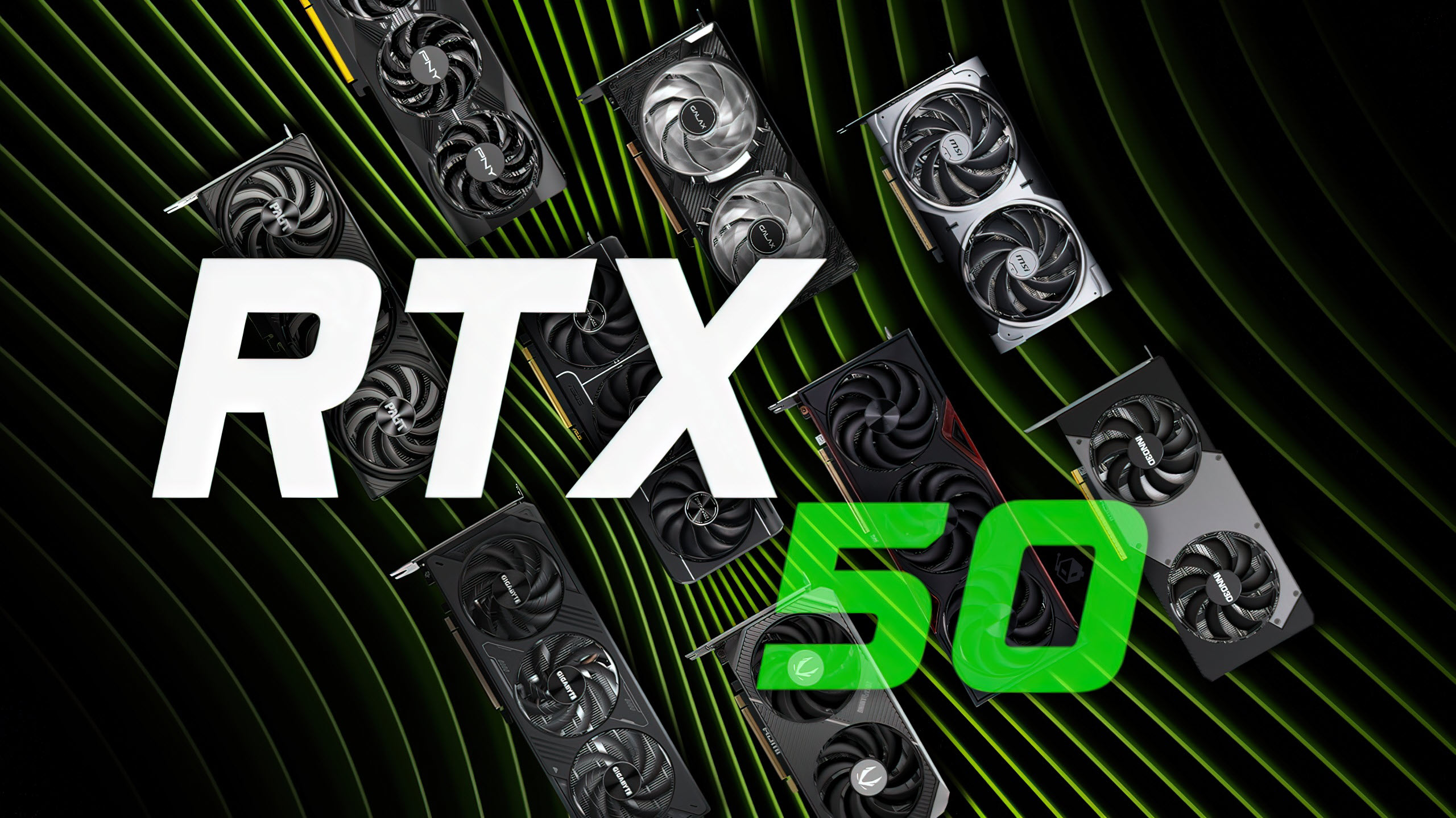
- NVIDIA’s RTX 50 Series:
- RTX 5080: 16GB GDDR7 VRAM, prioritized for production over the 5070 Ti.
- RTX 5070 Ti: 16GB GDDR7 VRAM, supply drastically reduced.
- RTX 5060 Ti: 8GB GDDR6 VRAM, expected to replace the 5070 Ti in entry/mid-range pricing.
- AMD’s RDNA 4:
- RX 9070 XT: 16GB GDDR7 VRAM, focus of production.
- RX 9060 XT: 16GB GDDR7 VRAM, replacing the 8GB variant.
- RX 9060 XT 8GB: Phased out in favor of 16GB models.
For gamers, the implications are stark. The RTX 5070 Ti’s 16GB of GDDR7 VRAM—once a sweet spot for 1440p and high-refresh 1080p gaming—is now a relic. The card’s performance, while competitive, can no longer justify its production costs, forcing NVIDIA to abandon it in favor of the RTX 5080’s higher margins. The 5080, with identical VRAM but superior clock speeds and ray-tracing capabilities, becomes the default choice for enthusiasts, while the 5060 Ti 8GB steps in to handle budget builds. AMD’s strategy reinforces this trend: 16GB VRAM is now the baseline, even for cards positioned as mid-range.
The shift isn’t just about VRAM. It’s about profitability. NVIDIA’s decision to absorb memory costs for consumers—at least temporarily—is no longer sustainable. Without the OPP, manufacturers are free to charge premiums, and the market will reflect that. Early signs suggest the RTX 5080’s price could climb further, while the 5070 Ti’s scarcity will drive its retail value upward, creating a two-tiered market where only the most sought-after models remain accessible at any price.
For those clinging to the hope of an MSRP GPU, the message is clear: those days are over. The RTX 50 Series, like AMD’s RDNA 4 lineup, is entering a new phase where performance and memory capacity dictate pricing, not manufacturer recommendations. The question now is whether consumers will accept the new reality—or if the market will push back with demand-driven adjustments of its own.