NVIDIA’s RTX 50 series is no longer just speculation; it’s becoming reality, albeit with more questions than answers about its exact form.
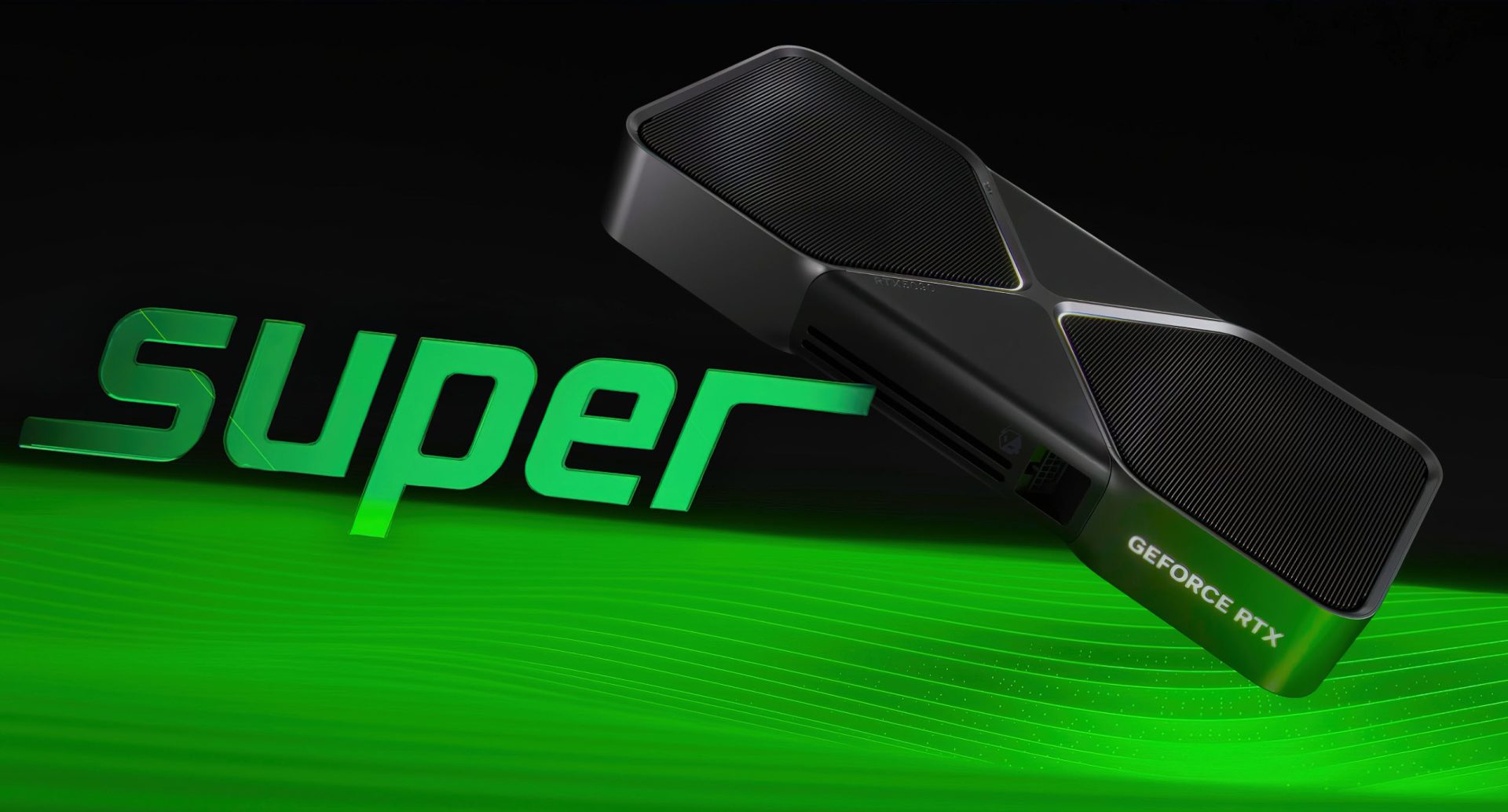
The most concrete detail so far is the rumored RTX 5060 Super variant, tipped to feature 12 GB of VRAM—a significant jump from the 8 GB found in the current RTX 4060 Ti. Whether this will be paired with a performance boost or efficiency gains remains unclear.
Key specs
- VRAM: 12 GB GDDR6 (rumored for RTX 5060 Super)
- Architecture: Likely Ada Lovelace refresh or successor
- Performance: Estimates suggest 30–40% faster than RTX 4060 Ti in rasterization, but no official benchmarks yet
- Power draw: Unconfirmed, but likely lower than RTX 50 Super if it exists
The 12 GB VRAM figure is the one detail that stands out. It’s a clear upgrade path for NVIDIA, addressing a long-standing pain point for gamers pushing high resolutions or using DLSS 3. But without knowing whether this is part of a larger RTX 50 Super family—or just the 5060 Super—it’s hard to gauge where this fits in the lineup.
Why it matters
The real question isn’t just about VRAM capacity, but what that extra memory enables. For now, NVIDIA’s focus seems to be on making sure the RTX 50 series doesn’t repeat past missteps—like the RTX 2060’s limited VRAM, which left it underpowered for its price.
Gamers should watch for two things: whether the RTX 50 Super (if it exists) gets a similar boost in performance and efficiency, or if NVIDIA is instead doubling down on the 5060 Super as its mid-range flagship. The answer could determine who benefits most from this generation.
What’s next
No official announcements yet, but leaks suggest a potential reveal in late 2024 or early 2025. Until then, the focus remains on VRAM—and whether NVIDIA can turn that into a meaningful upgrade for gamers.