NVIDIA has introduced the Vera CPU, designed to bridge the gap between traditional server processors and specialized AI accelerators. While it promises significant performance improvements for data-heavy workloads, its long-term impact on the market remains uncertain due to unconfirmed pricing, supply timelines, and compatibility with existing infrastructure.
The Vera CPU is positioned as a high-performance, low-power alternative to NVIDIA's Rubin architecture, which currently dominates in AI training clusters. Its design focuses on optimizing memory bandwidth and compute efficiency, making it particularly attractive for large-scale data processing tasks. However, without clear details on pricing or availability, its market penetration could be delayed.
- Key specs:
- Architecture: Vera (successor to Rubin)
- Core configuration: 128-core design with high memory bandwidth
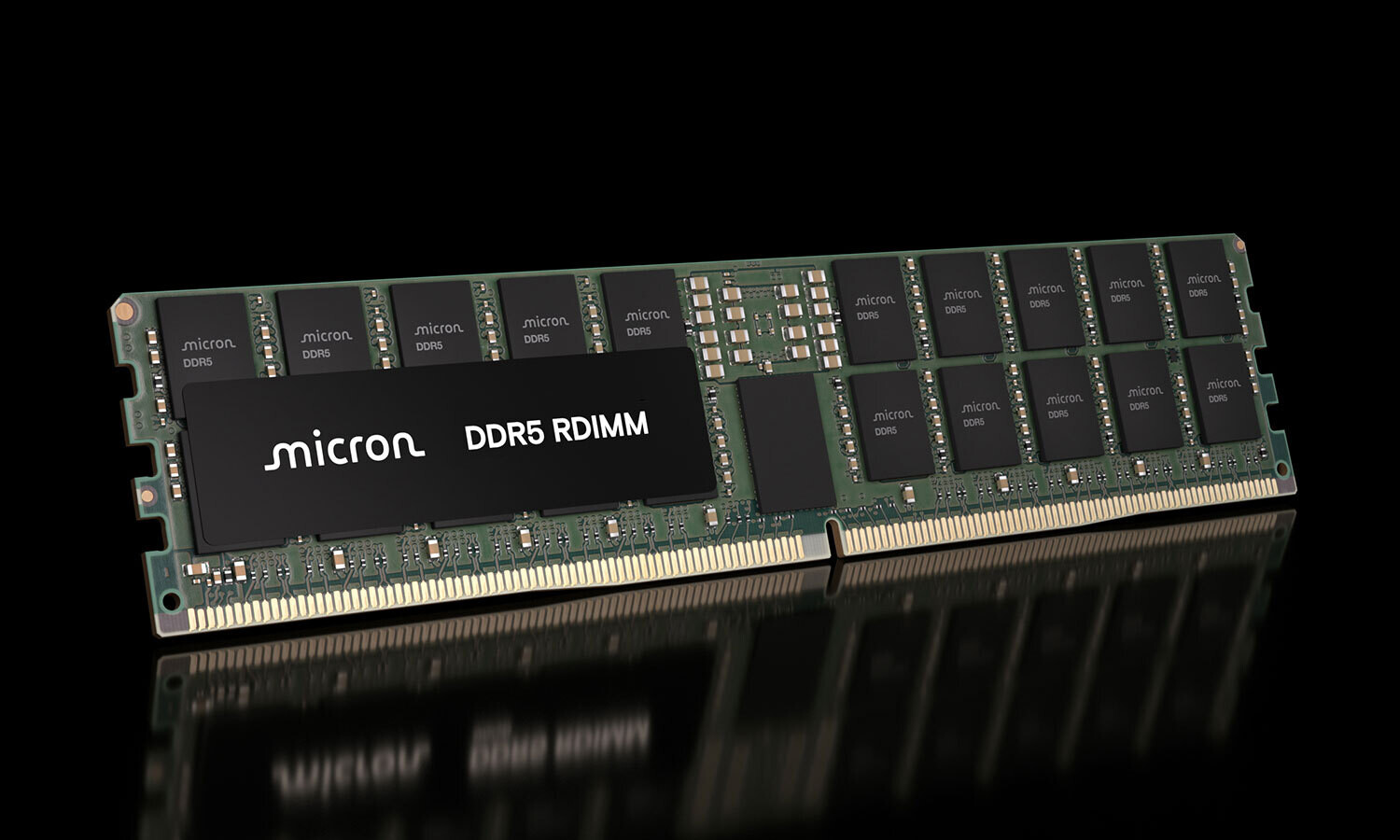
- Memory support: DDR5 and HBM2e options for flexibility
- Performance: Targeted for AI training and inference workloads
- Power efficiency: Optimized for data center-scale deployments
These specifications suggest a shift toward more integrated, high-bandwidth processing units, which could reduce the reliance on separate GPUs or TPUs in certain AI workflows. However, the lack of concrete benchmarks or real-world comparisons makes it difficult to assess its effectiveness against established competitors like AMD's EPYC or Intel's Xeon.

The Vera CPU is already being adopted by major tech firms, including CoreWeave, Meta, Oracle, and Alibaba, indicating strong industry interest. Yet, the absence of clear pricing structures or supply chain details raises concerns about scalability. For enterprises evaluating this technology, compatibility with existing server racks and software stacks will be a critical factor in determining its adoption rate.
While NVIDIA's Vera CPU represents an ambitious step forward in AI hardware, its success hinges on resolving key unknowns—namely, how it will integrate into current data center ecosystems and whether it can deliver on its promised performance without introducing new compatibility risks. Until then, the market remains cautiously optimistic but hesitant to commit fully.