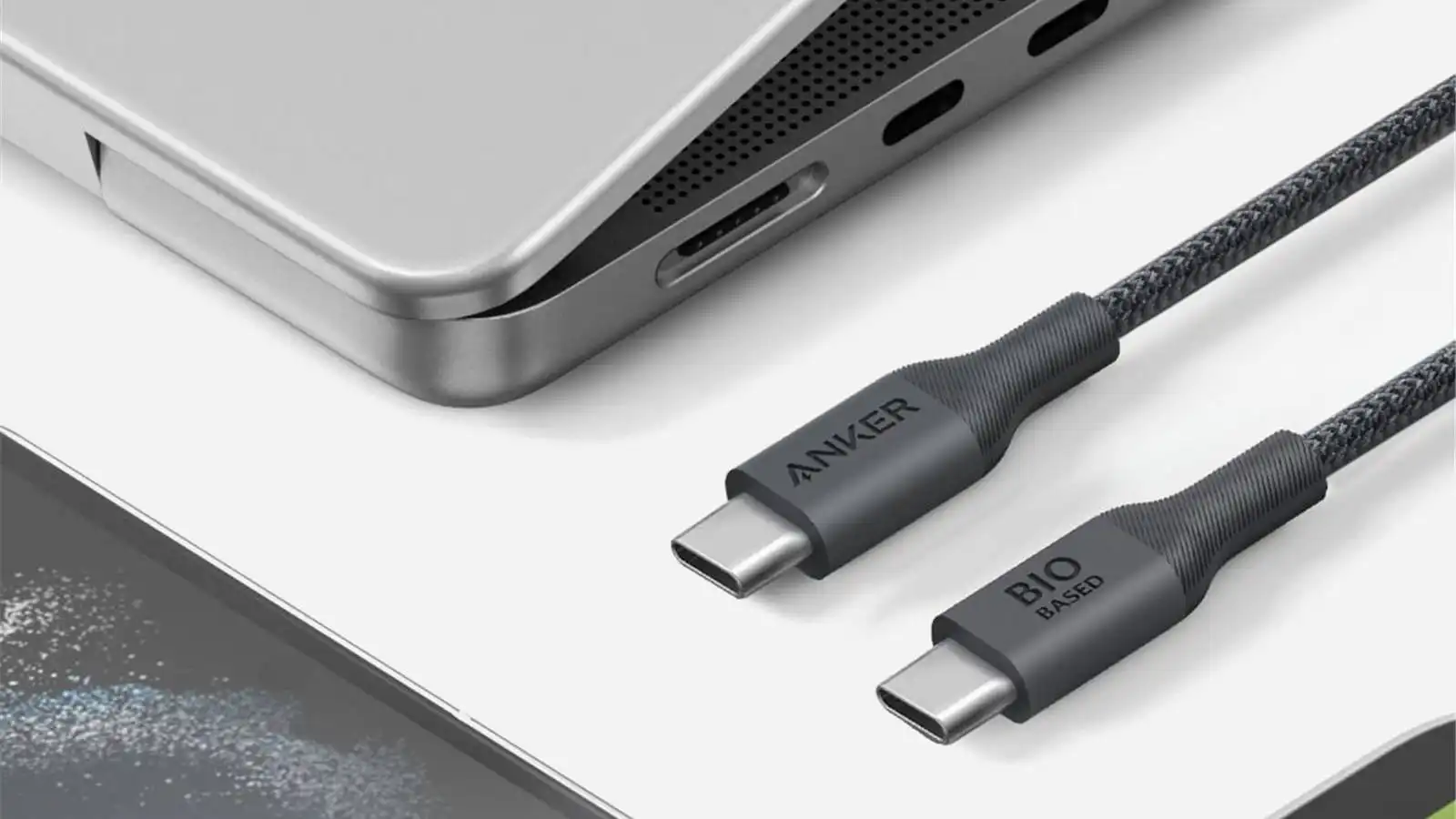
Tech users who demand both speed and portability now have a clear reason to upgrade their charging setups. Anker has cut the price of its 10-foot 140W USB-C cables down to $8 each, available in three-pack bundles, making high-power charging more accessible without sacrificing performance.
This price drop is notable because it brings a cable capable of handling up to 140 watts of power—enough to charge laptops, tablets, and other devices quickly—into the mainstream. Previously, such cables were often priced at $25 or more for similar lengths, putting them out of reach for many users who didn’t need the full bandwidth but wanted future-proofing.
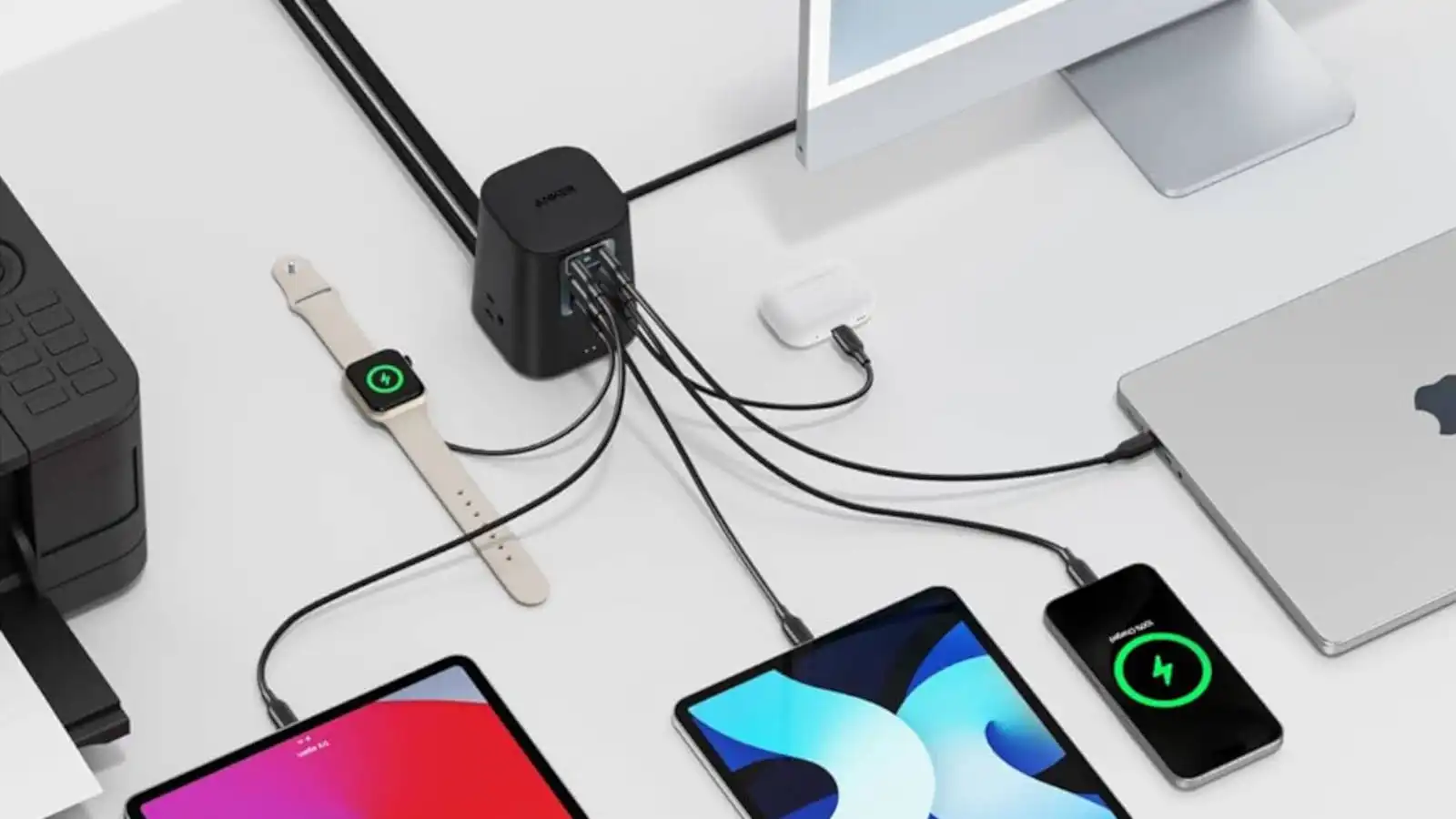
What changed? Anker’s new pricing model simplifies the choice for IT teams and power users. The 10-foot length is ideal for desk setups where cable clutter is a concern, while the 140W rating ensures compatibility with newer laptops that draw more current. The three-pack deal also addresses the practical need for backup cables, reducing the temptation to use substandard or damaged cables that can degrade performance or pose safety risks.
Why does this matter? High-power USB-C cables are no longer a premium feature but a standard tool for efficient charging. The price drop removes one of the biggest barriers to adoption—cost—while reinforcing Anker’s position as a leader in reliable, high-performance accessories. For users who frequently switch between devices or work with multiple power-hungry gadgets, this is a straightforward upgrade that delivers immediate benefits without long-term commitments.
The shift also reflects broader trends in the tech industry, where efficiency and speed are increasingly prioritized over incremental improvements. As devices become more power-efficient but also demand higher wattage for faster charging, cables like Anker’s bridge the gap between old and new standards. For IT teams managing fleets of laptops or personal workstations, this is a cost-effective way to ensure compatibility with next-generation hardware without overhauling existing setups.
What remains unclear? While the price drop is significant, it’s worth noting that 140W cables are still overkill for most everyday use cases. Users with older laptops or devices that max out at 60-80W won’t see a noticeable difference in charging speed, so the real advantage lies in future-proofing. Additionally, durability and build quality will be key factors—Anker’s reputation suggests this is less of a concern, but it’s always worth verifying with hands-on testing.
In plain terms: Anker has made high-power USB-C cables affordable enough that there’s no longer a strong reason to avoid them. For anyone who wants faster charging, cleaner desk setups, or simply peace of mind knowing their cables can handle tomorrow’s devices, this is a practical upgrade worth considering.