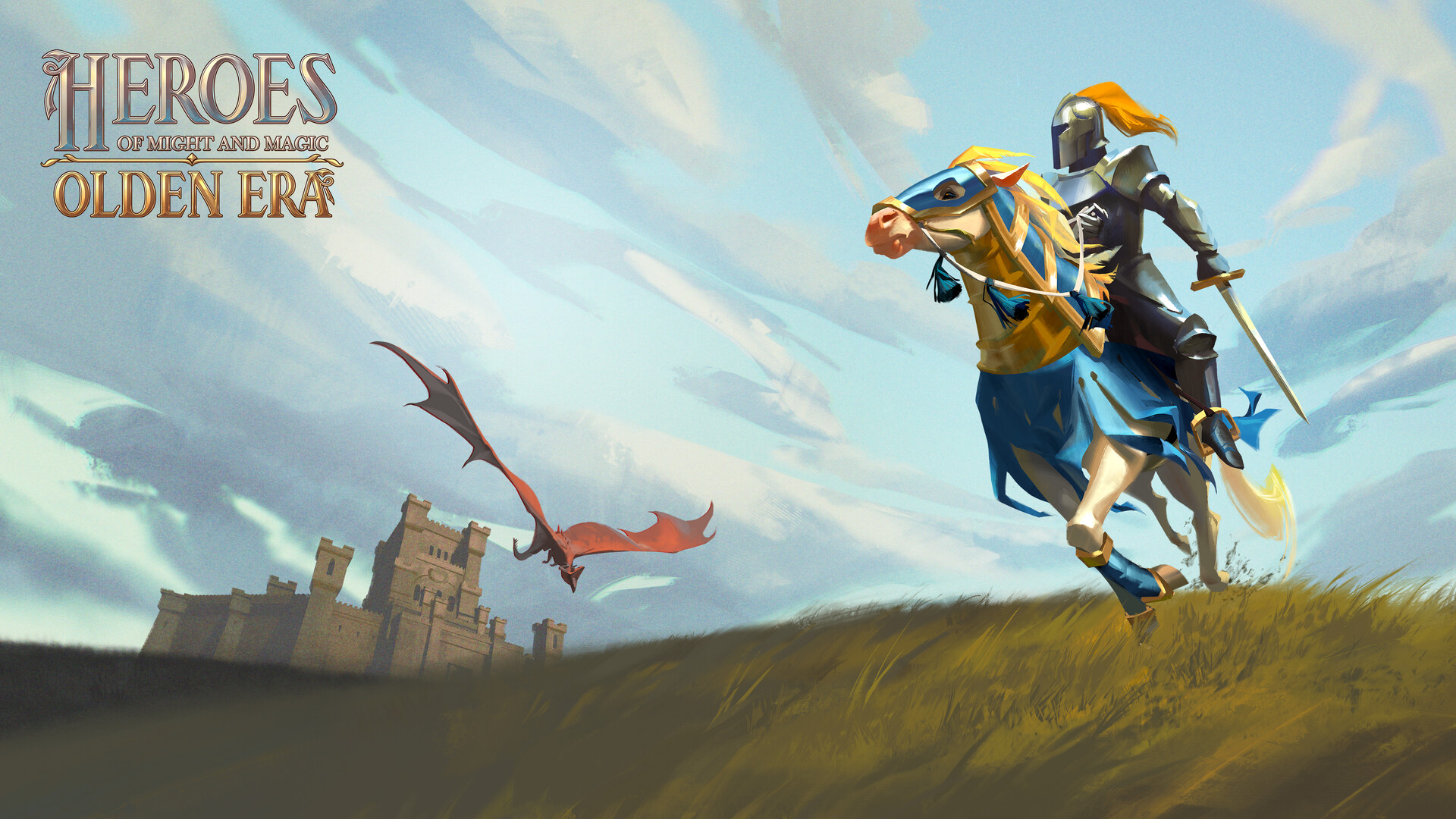
The latest entry in the Heroes of Might and Magic lineage, now available in early access, takes a deliberate step backward—literally—to the roots of a franchise that once defined strategy gaming. Olden Era isn’t just a throwback; it’s a carefully constructed revival, blending the tactical depth of its ancestors with modern expectations for performance and accessibility.
At first glance, the game’s design choices are bold yet familiar. It returns to the classic top-down perspective, where players command armies across a pixelated but meticulously crafted world. The core loop—recruiting units, scouting resources, and executing battles—remains unchanged, but under the hood, the experience has been reimagined for today’s developers. The game runs on a modern engine that supports up to 16GB of RAM and includes optimizations for high-resolution displays, ensuring smooth gameplay even when pushing hardware limits.
For enthusiasts, the details matter most. Olden Era introduces refined unit balancing, with each class now featuring distinct strengths and weaknesses tailored to strategic depth rather than raw power. Herbalists, once a niche support unit, have been reworked to provide critical buffs in the field, adding layers of tactical decision-making that were absent in earlier installments. The game also expands on the original’s resource system, introducing secondary materials like magic crystals and rare ores that can be gathered but must be managed carefully—adding a new dimension to long-term planning.
Yet for everyday players, the question isn’t just about whether Olden Era lives up to its legacy, but whether it earns a place in their workflow. The game’s early access phase suggests it’s still finding its footing, particularly around multiplayer matchmaking and AI opponent difficulty. While the single-player campaign is polished and offers a satisfying return to form, the lack of robust online features could limit its appeal for those seeking competitive depth.
Looking ahead, the roadmap hints at more significant updates, including deeper customization for units and maps, as well as potential expansions that could introduce new factions. Whether these additions will fully modernize the experience without diluting the charm of its retro roots remains an open question. For now, Olden Era stands as a testament to what happens when a classic is revisited with both reverence and ambition—it’s not perfect, but it’s undeniably intriguing.