Battlefield connectivity has always been a critical layer in Sudden Strike 5, but this iteration takes it further than any predecessor. The game’s mission design now emphasizes dynamic adaptability, where player decisions directly influence the flow of combat. This isn’t just about larger maps—it’s about how those maps respond to strategic choices.
- Up to 25 expanded missions, each with diverse terrain and unit counts exceeding previous iterations by 40%. These aren’t static arenas; they react to player actions, whether through environmental destruction or shifting objectives.
- A new commander customization system introduces distinct playstyles, allowing players to tailor their approach—whether favoring smoke deployment, artillery precision, or reconnaissance bonuses. These choices ripple through battles, creating emergent strategies that weren’t possible in earlier versions.
The camera system has also undergone a significant overhaul, eliminating the clunkiness of past entries and providing seamless transitions between strategic overviews and granular frontline details. This fluidity is crucial for a genre where split-second decisions can mean the difference between victory and defeat.
Display and Performance: A Balance of Fidelity and Fluidity
Sudden Strike 5 delivers on its promise of high-fidelity visuals while prioritizing gameplay stability. The game supports native 4K resolution, but its performance is more notable for smoothness than raw speed. Benchmarks indicate that while it maintains strong frame rates on modern hardware, larger battles may experience minor stutters—a necessary tradeoff for the complexity of its systems.
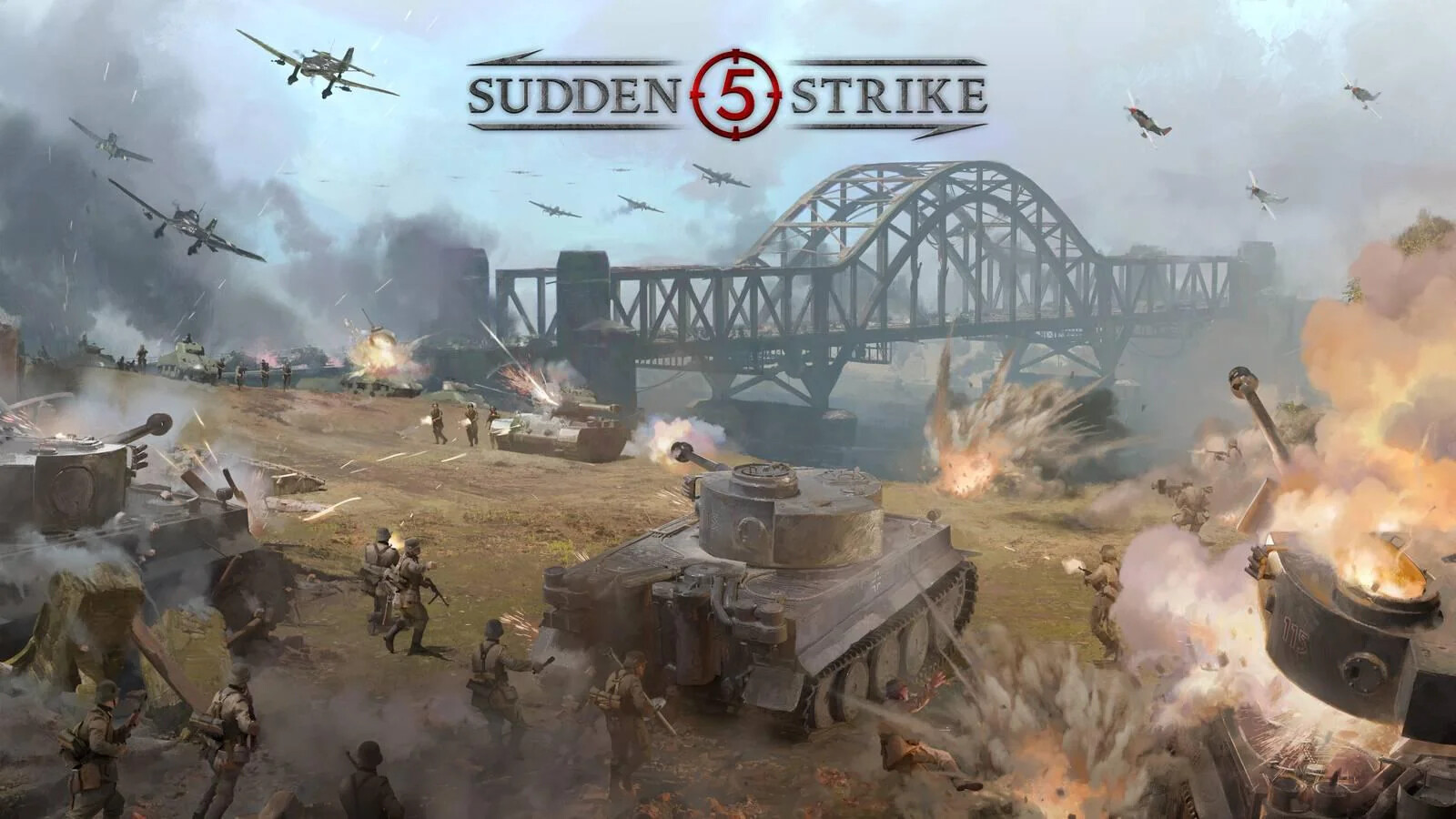
- Over 300 authentic units, including 190 vehicles and 110 infantry options, each with historically accurate stats. These range from iconic tanks like the Sherman to aircraft such as the Messerschmitt Bf 109 and T-34, ensuring a mix of familiar and lesser-known assets.
- Environmental interaction plays a more active role, with destruction affecting visibility and movement—burning buildings can obscure enemy movements, while collapsed bridges force strategic rerouting. This adds weight to every decision, making battles feel more consequential.
The Broader Shift in Real-Time Strategy
Sudden Strike 5 arrives at a moment when the RTS genre is undergoing a quiet renaissance. After years of decline, recent titles have signaled a demand for depth over spectacle. This installment aligns with that trend by offering a sandbox-like experience where every battle feels distinct, rather than relying on scripted events or linear progression.
Players who thrive on tactical complexity will find Sudden Strike 5’s dynamic mission design and commander customization particularly appealing. The game’s emphasis on adaptability—whether optimizing unit loadouts, countering enemy tactics in real time, or mastering historical warfare nuances—caters to those who seek workload-specific efficiency.
What’s Next for the Series
The base game delivers a polished experience, but its full potential—especially in competitive PvP—will only become clear with updates. For now, Sudden Strike 5 stands as a testament to evolution without compromise, redefining the genre one strategic decision at a time.