When Darren Aronofsky set out to reimagine the American Revolution using AI-generated actors, the project was positioned as a landmark in digital filmmaking. Instead, it became a technical train wreck—a stark reminder that even the most cutting-edge tools can’t yet replicate the depth of human performance. For those who rely on AI for storytelling, the series isn’t just flawed; it’s a masterclass in what happens when ambition outpaces capability.
The core issue isn’t just the uncanny valley effect—though that’s undeniable. It’s the way the AI’s limitations become the story*, distracting from the narrative itself. Every blink feels like a corrupted render, every line of dialogue is marred by jarring lip-sync errors, and the motion capture reads like a glitchy demo reel rather than a polished production. The result isn’t just bad—it’s actively disorienting, forcing viewers to question whether AI in filmmaking is a step forward or a step backward.
For power users who fine-tune generative models, the shortcomings of *On This Day… 1776 are glaring. The series doesn’t just push the boundaries of AI—it ignores them entirely. Here’s where the tech fails
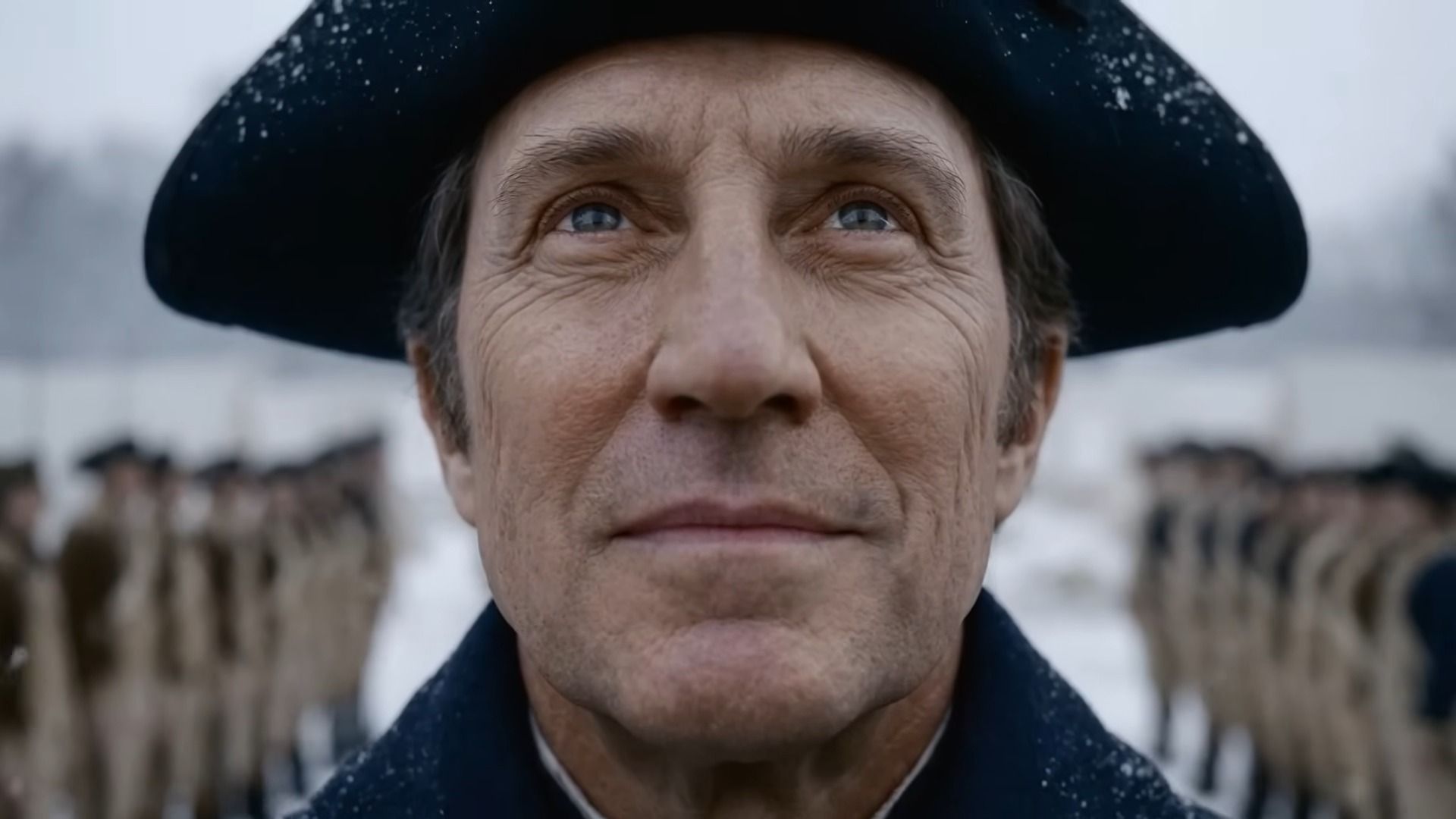
- Motion as a Flaw, Not a Feature: The AI’s inability to render fluid, organic movement isn’t a stylistic choice—it’s a fundamental limitation. Benchmarks against traditional VFX show frame-to-frame inconsistencies that would make even a low-budget film cringe. The camerawork isn’t cinematic; it’s erratic, as if the AI is struggling to keep up with basic physics.
- The Uncanny Valley as a Liability: Instead of refining realism, the project leans into its most unsettling traits. The AI actors lack subdermal detail, their skin texture resembling a low-poly mesh. Worse, the lip-syncing is so off that dialogue becomes secondary—viewers are too distracted by the visual glitches to engage with the story.
- Historical Accuracy as an Afterthought: The series’ claim to authenticity is undermined by its reliance on generative models that can’t distinguish between plausible and absurd. The AI’s grasp of period-appropriate dialogue is shaky, and its understanding of historical context is even weaker. The end result isn’t a dramatic reimagining—it’s a chaotic mishmash of errors.
- Corporate Oversight Over Artistic Vision: The project’s rushed execution suggests a prioritization of hype over craftsmanship. DeepMind’s generative models were likely repurposed for a high-profile demo rather than refined for a narrative-driven production. The lack of post-processing or manual adjustments is staggering, as if the creators assumed the AI would handle the heavy lifting without oversight.
The most troubling takeaway isn’t just the technical failures—it’s the way they expose the risks of treating AI as a replacement for human creativity. For power users, this series serves as a cautionary tale: generative tools are powerful, but they’re not ready to shoulder the weight of storytelling. The question now isn’t whether AI can revolutionize filmmaking—it’s whether the industry is willing to wait for the tech to catch up.
The future of AI in creative work isn’t dead. But On This Day… 1776 proves that rushing it to market without proper refinement will only lead to disappointment. For those who demand precision, this is a wake-up call: the revolution in digital storytelling is still in its infancy—and it’s not yet ready for prime time.