Google’s Pixel 10a has landed, offering a surprising blend of performance, battery life, and AI tools—yet retaining a design that feels stuck in the past. The phone’s most striking feature is its 5,100mAh battery, capable of pushing 30 hours of screen-on time, a boon for users who demand all-day endurance. However, this comes at the cost of a 9mm-thick chassis and thick bezels, a deliberate trade-off that sets it apart from competitors still chasing sleek, edge-to-edge displays.
The Pixel 10a isn’t just about brute-force specs. It packs the Tensor G4 chip, the same processor found in last year’s Pixel 9a but with an unspecified clock speed bump. Paired with 8GB of RAM and 128GB of base storage, it’s a capable mid-range performer—though not a powerhouse for demanding tasks like heavy gaming or video editing. The 6.3-inch FHD+ AMOLED display with 120Hz adaptive refresh smooths out scrolling and animations, but the Corning Gorilla Glass 7i and aluminum frame add weight, making it feel more substantial than most modern phones.
What Makes It Stand Out?
- Battery Life: A 5,100mAh cell supports 45W wired charging and 10W wireless charging, along with a claimed 30-hour screen-on time. This is a standout for budget buyers who prioritize longevity over compact designs.
- AI Features: The Pixel 10a leans heavily on Google’s AI toolkit, including Camera Coach (real-time photography guidance), Auto Best Take (auto-selecting the best shot from bursts), and Gemini Live (a voice assistant with on-device processing). Nano Banana, Google’s image-generation AI, also makes an appearance, though its utility is still niche.
- Camera System: The rear features a 48MP main sensor and a 13MP ultra-wide, while the front sports a 13MP selfie camera. Software enhancements like Circle to Search (AI-powered object recognition) and seven years of OS updates add long-term value.
- Durability: IP68 dust and water resistance ensures it can handle spills and light splashes, a rare feature in this price tier.
Where It Falls Short
The Pixel 10a’s biggest compromise is its thick-bezeled design, a deliberate choice that sacrifices modern aesthetics for battery capacity. The camera bar, volume buttons below the power key, and visible antenna lines give it a dated look, especially when compared to competitors like the Samsung Galaxy A series or OnePlus Nord models. While the aluminum frame adds premium tactile feedback, the overall build feels heavy at 6.52 ounces—nearly half a pound.
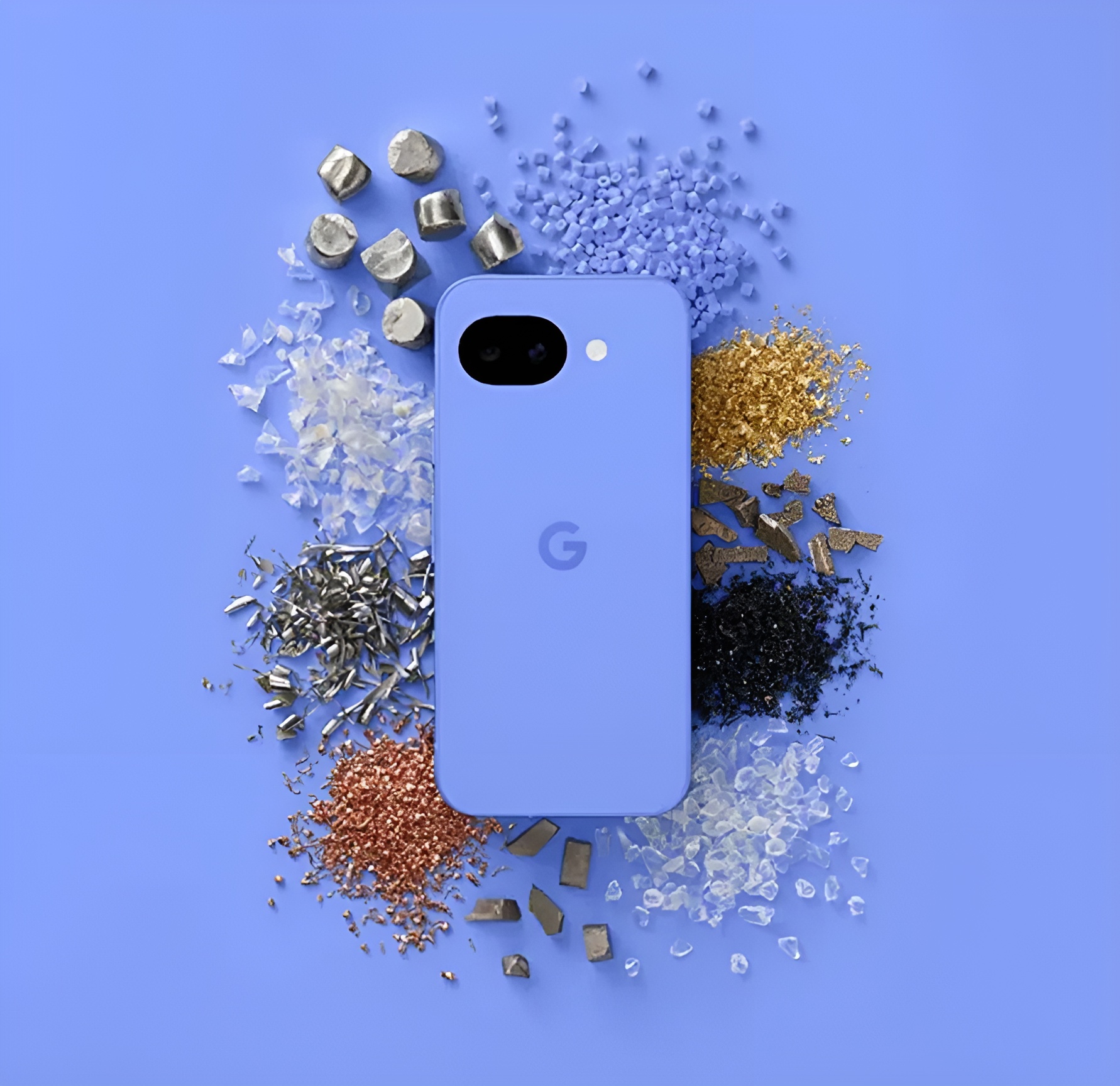
Another limitation is the Tensor G4’s efficiency. While it handles daily tasks well, it won’t excel in benchmarks or sustained workloads. The 120Hz display is a bright spot, but the FHD+ resolution (2,424 x 1,080) means it won’t rival QHD screens in sharpness. Storage is also fixed at 128GB base, with no expandable option—a common shortcoming in budget flagships.
Who Should Buy It?
The Pixel 10a is best suited for users who prioritize battery life, AI features, and Google’s software ecosystem over cutting-edge design. Its $499 price tag is steep for a budget phone, but discounts—reportedly up to $150 off—soften the blow. Pre-orders begin immediately, with availability set for March 5 in four colors: Obsidian (dark gray), Fog (beige), Lavender (soft purple), and Berry (red).
For those already in Google’s fold, the Pixel 10a offers a compelling mix of performance and longevity. But for design-conscious buyers, it’s a step backward—one that may leave them wondering if the trade-offs are worth it.