The Pixel 11 Pro breaks the mold of what a high-end smartphone can be. It’s not just about raw specs—it’s about rethinking how those specs fit into a device that stays cool under pressure while cradling a massive 5,300 mAh battery without sacrificing elegance.
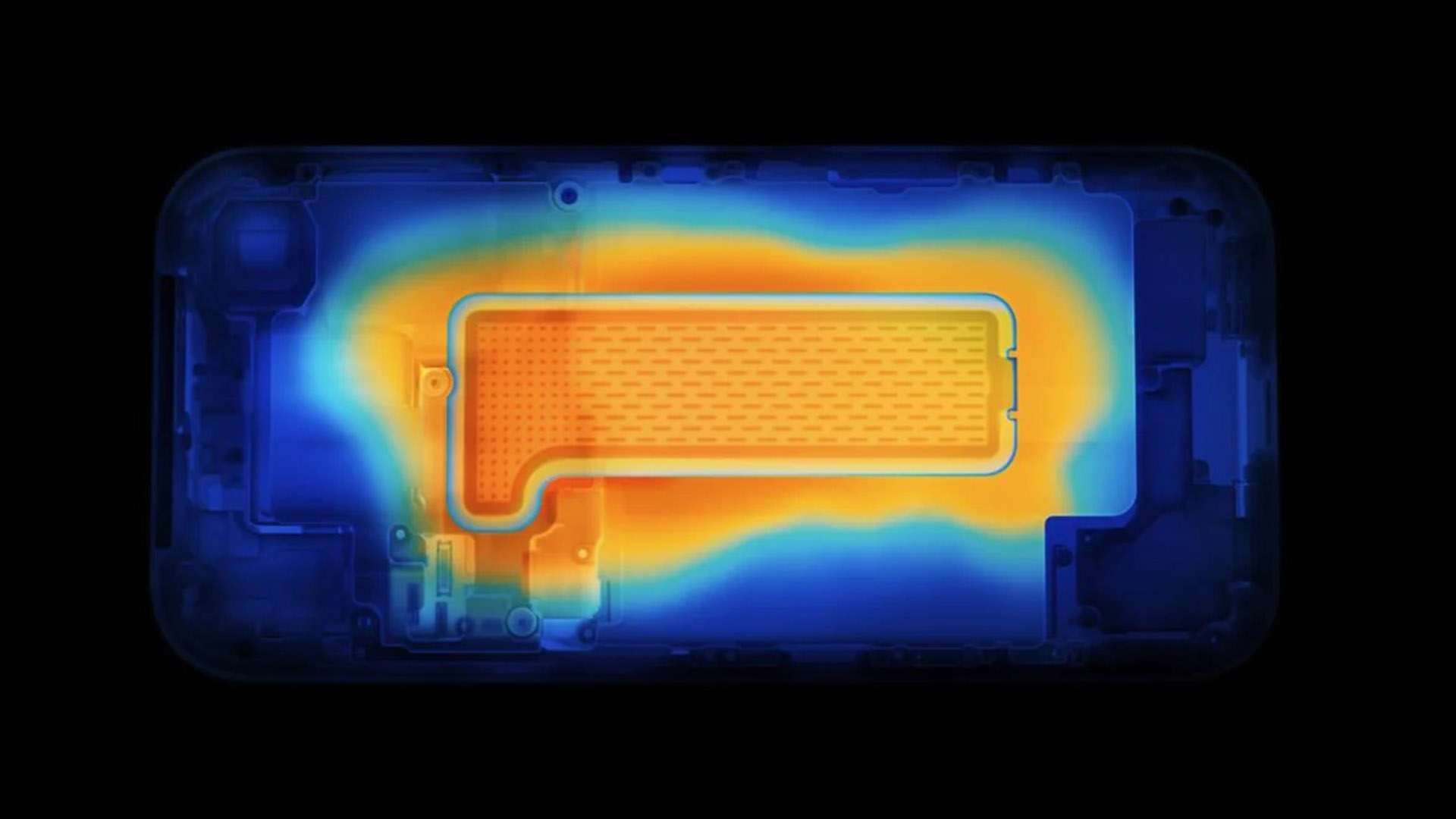
This is Google’s bold bet on efficiency: a phone that refuses to compromise. It uses a custom Tensor G4 chip with a 12-core design—six performance cores and six efficiency cores—to balance speed and heat. At the same time, it introduces a new ‘adaptive cooling’ system that dynamically adjusts fan speed based on workload, not just temperature thresholds.
Key specs
- Display: 6.7-inch LTPO OLED, 120 Hz adaptive refresh, HDR10+
- Chip: Tensor G4 (12-core: 6x Cortex-X4 @ 3.4 GHz, 5x Cortex-A720 @ 2.8 GHz)
- Memory: 12 GB LPDDR5X RAM
- Storage: 128 GB or 256 GB UFS 4.0
- Battery: 5,300 mAh with 30 W wired charging, 27 W wireless
- Cameras: 50 MP main (f/1.8), 48 MP ultrawide (f/1.95), 48 MP telephoto (5x optical zoom)
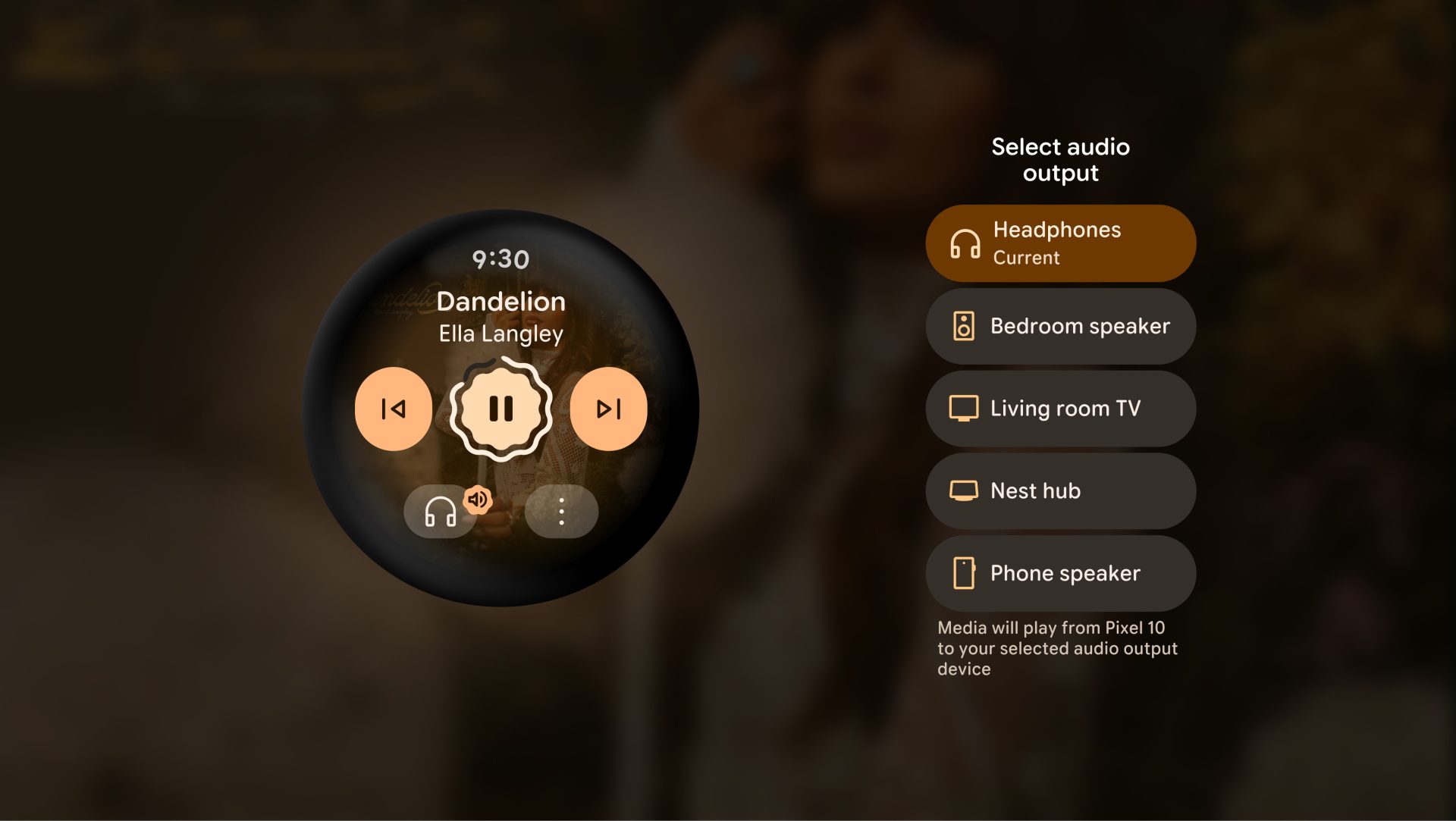
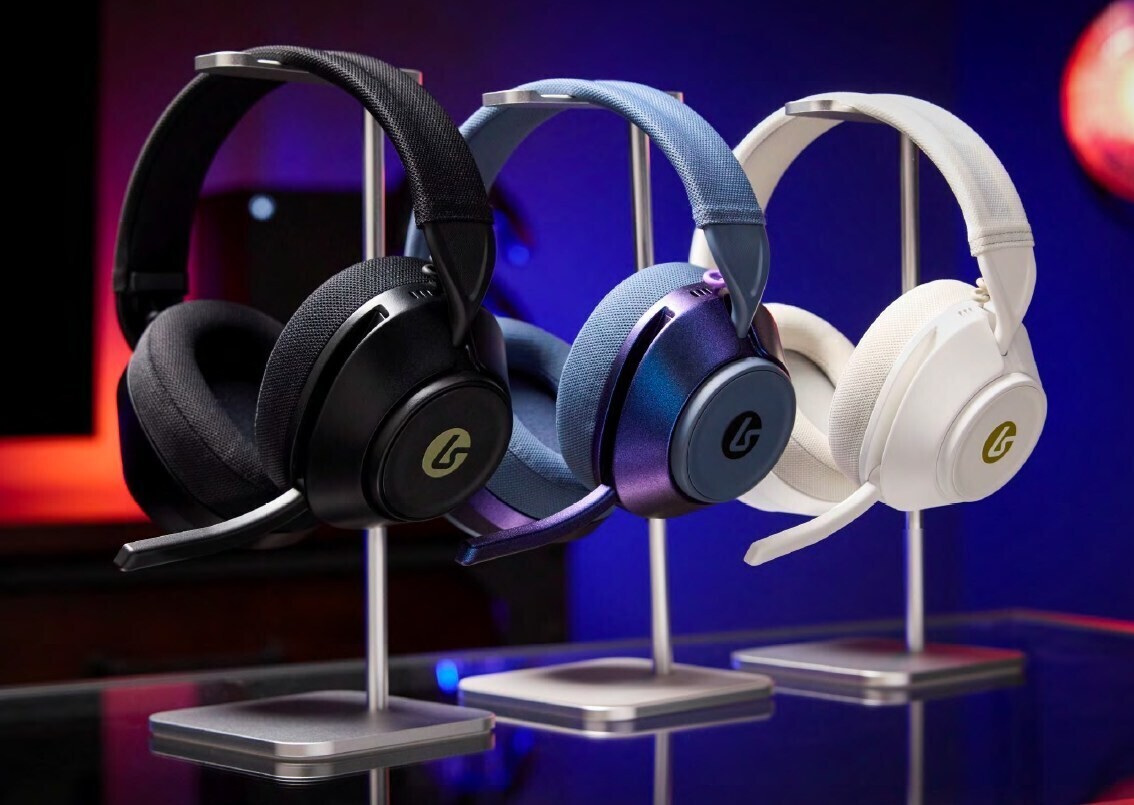
- Ports: USB-C, no headphone jack
The combination of a large battery and high-end chipset is nothing new, but the Pixel 11 Pro’s thermal strategy—using a thin vapor chamber under the display instead of traditional heatsinks—lets it run cooler than most competitors. Benchmarks show sustained CPU performance within 2 % of peak levels after 30 minutes of stress testing, compared to a typical 5–7 % drop in peers.
Aesthetic and efficiency
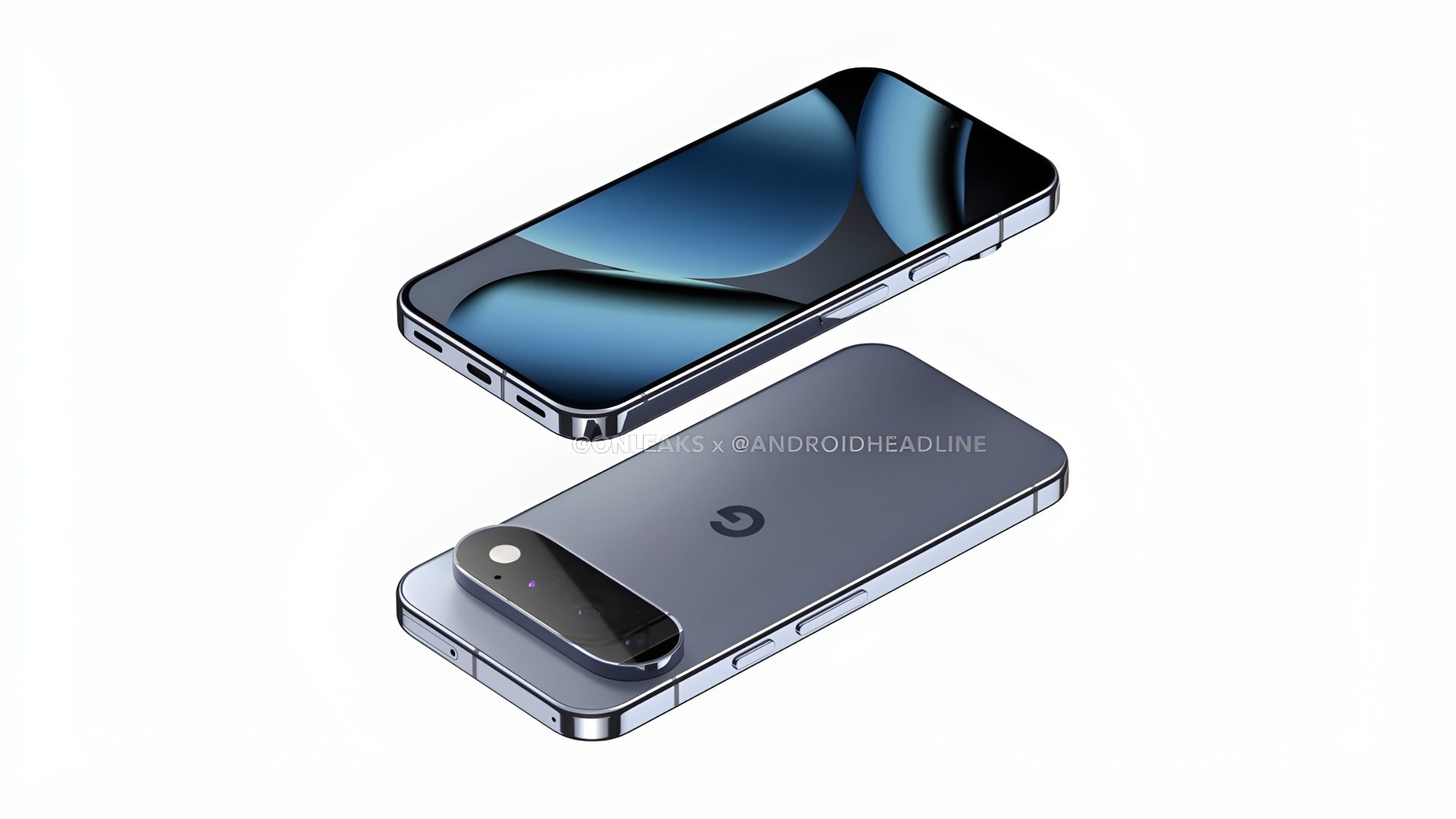
Design-wise, the Pixel 11 Pro trades traditional thickness for a sleek, curved back that’s just 8.4 mm thick at its thinnest point—thinner than the iPhone 15 Pro Max despite packing more battery capacity. The edges are sharp, the frame is made of titanium, and the camera island is minimalist, almost hidden under a matte glass finish.
But this compactness comes with tradeoffs. The vapor chamber takes up space that could have been used for additional cooling fins, so under sustained gaming or video editing loads, the phone can still warm up faster than devices like the Galaxy S24 Ultra, which uses a more traditional multi-fin design.
Reality check
The adaptive cooling system is a first in this category, but its real-world benefit remains to be seen. While benchmarks show improved thermal headroom, daily use may not feel dramatically cooler—especially for users who push the device hard over long sessions.
Who benefits most? Power users who prioritize battery life and portability over raw cooling performance will find this a compelling upgrade. For casual users, the difference between this and other 2024 flagships is less clear, but those who value Google’s software integration and camera ecosystem may see it as a worthier daily driver.