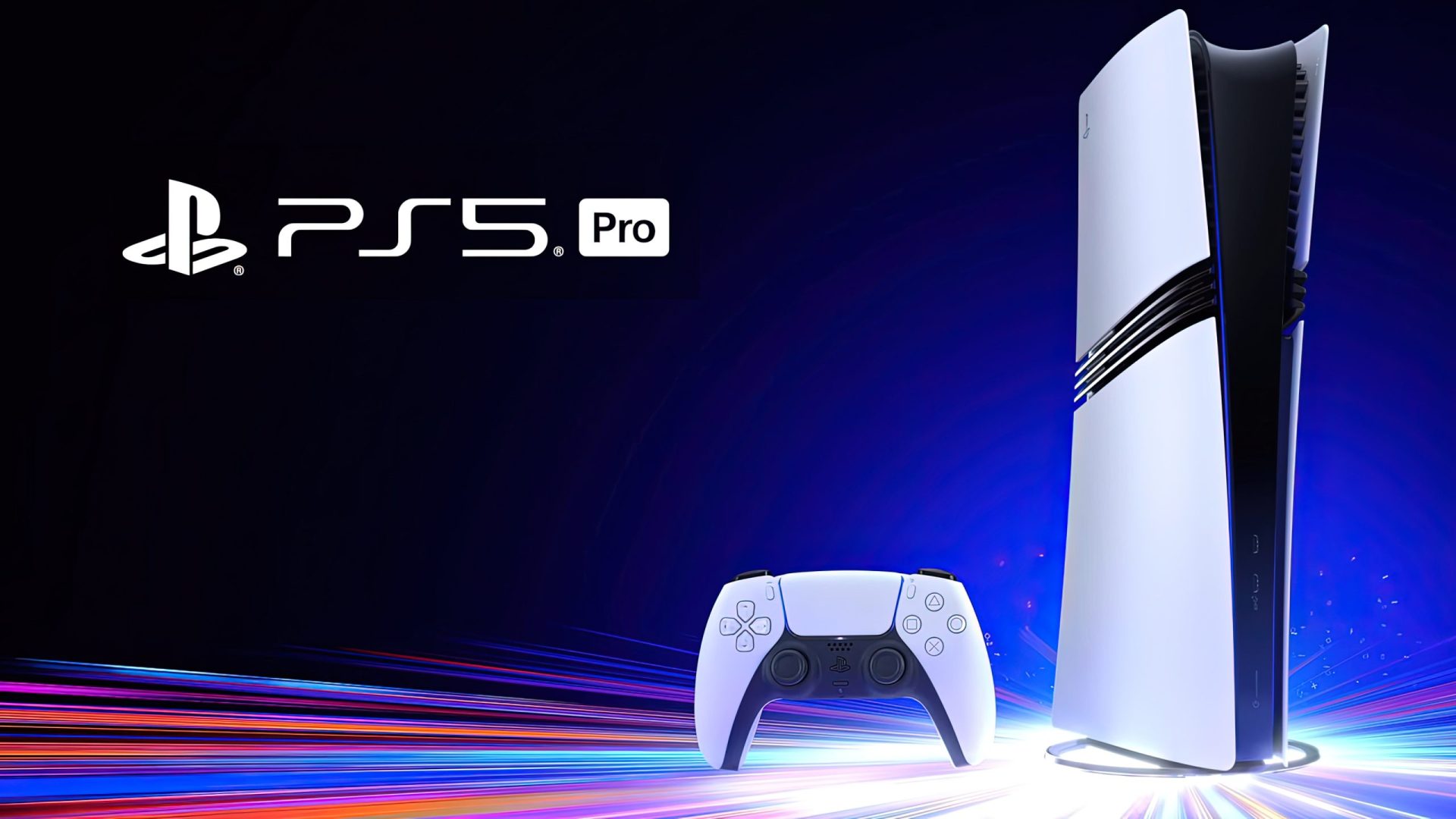
The PlayStation 5 Pro's image quality toggle has become a point of static in an otherwise dynamic ecosystem. While the console itself represents a leap forward—packing 16GB of GDDR6 RAM and a custom AMD Zen 2 CPU—the 'Enhance PSSR Image Quality' feature has not kept pace with advancements in upscaler technology. This means users are locked into a single, outdated method for scaling lower-resolution content, even as the industry moves toward more sophisticated solutions.
This stagnation isn't just about aesthetics; it's a practical constraint that could limit how developers and hardware manufacturers optimize future titles. The PlayStation 5 Pro's architecture was designed to handle 4K resolution at 120 frames per second, but its image quality toggle hasn't been revised to align with newer upscaler algorithms. This disconnect raises questions about compatibility risk for IT teams integrating next-gen visual pipelines.
Why the Toggle Stands Still
The decision to leave the toggle unchanged stems from a balance between backward compatibility and forward-looking innovation. The PlayStation 5 Pro's hardware was built on a foundation that prioritized performance over incremental updates, but this has left some features behind. For example, the console's 1TB SSD and 825GB NVMe storage were cutting-edge at launch, yet the image quality toggle remains tied to an older upscaler version.
Implications for Developers and Users
For developers, this means they must design games with a fixed set of visual parameters in mind, rather than leveraging the full potential of newer upscaler techniques. For users, it translates to a more uniform experience—one that doesn't adapt as quickly to advancements in rendering technology. While the PlayStation 5 Pro still delivers impressive performance, its static toggle is a reminder that not all features evolve at the same pace.
Looking ahead, this could shape how future consoles approach image quality settings. The tradeoff between stability and flexibility is a familiar one, but in an era where upscalers are becoming more sophisticated, it's a decision with tangible consequences. For now, users are left with a confirmed feature set—but the question of what comes next remains unanswered.