The PlayStation 6 is not stuck in development—it’s waiting for the market to catch up. While other consoles have set their trajectories with bold announcements and aggressive roadmaps, Sony has chosen a different path: one of deliberate caution. This isn’t about technology holding back progress; it’s about the harsh economics of memory prices dictating the pace of innovation. The PS6’s eventual arrival will be less about what it can do and more about whether Sony can price it right in an industry where every dollar matters.
The Memory Market’s Grip on Next-Gen Gaming
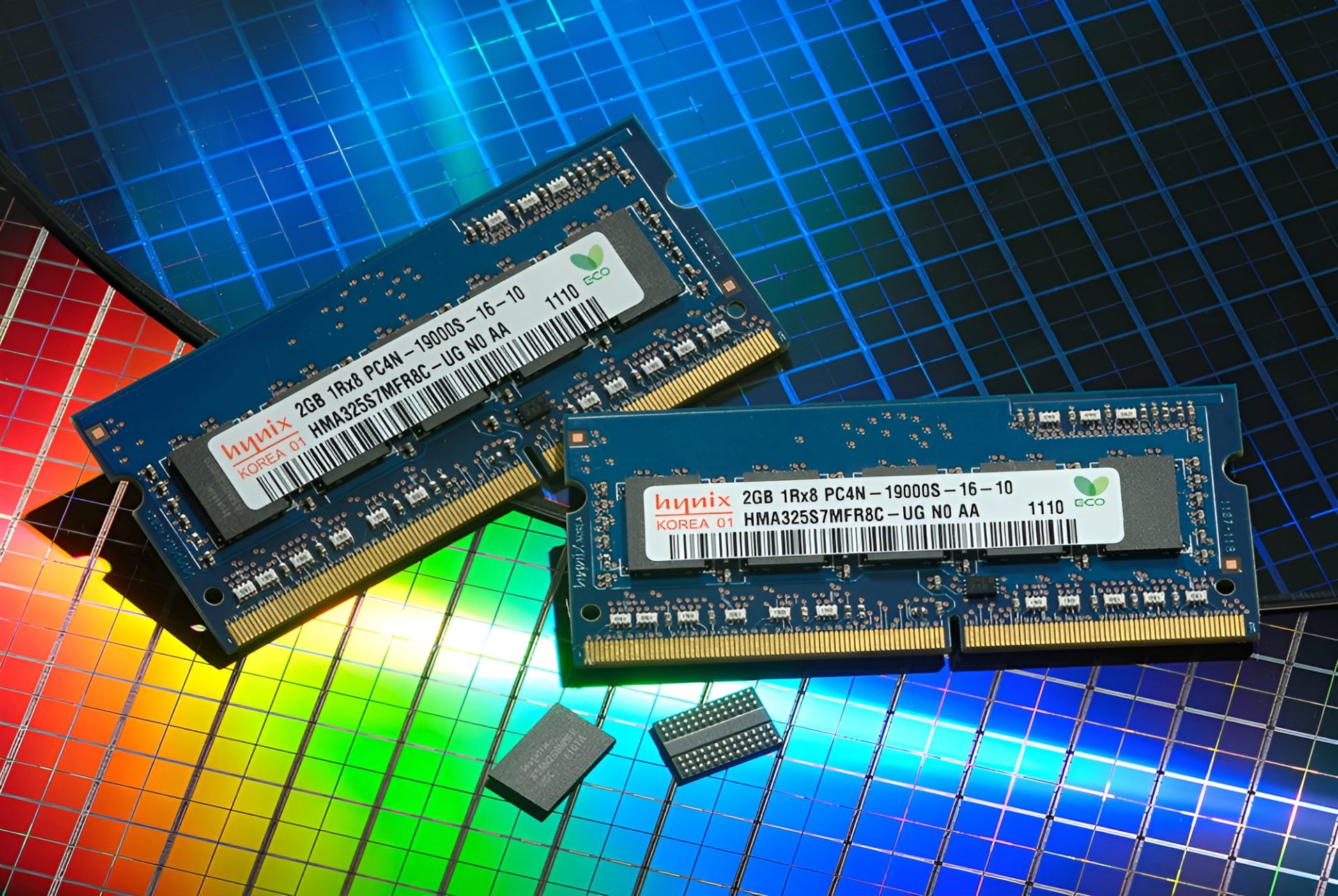
Memory costs have always been a silent force in console design, but never to this extent. The PS5’s launch saw DRAM prices surge, forcing Sony—and later Microsoft—to adjust pricing strategies mid-cycle. Now, with the PS6, those same pressures are looming larger. Industry projections suggest memory instability will persist through 2027, meaning any price set today could be outdated by launch. Sony isn’t just delaying hardware; it’s buying time to avoid repeating the PS5’s pricing missteps on a grander scale.
Competition in the Shadows
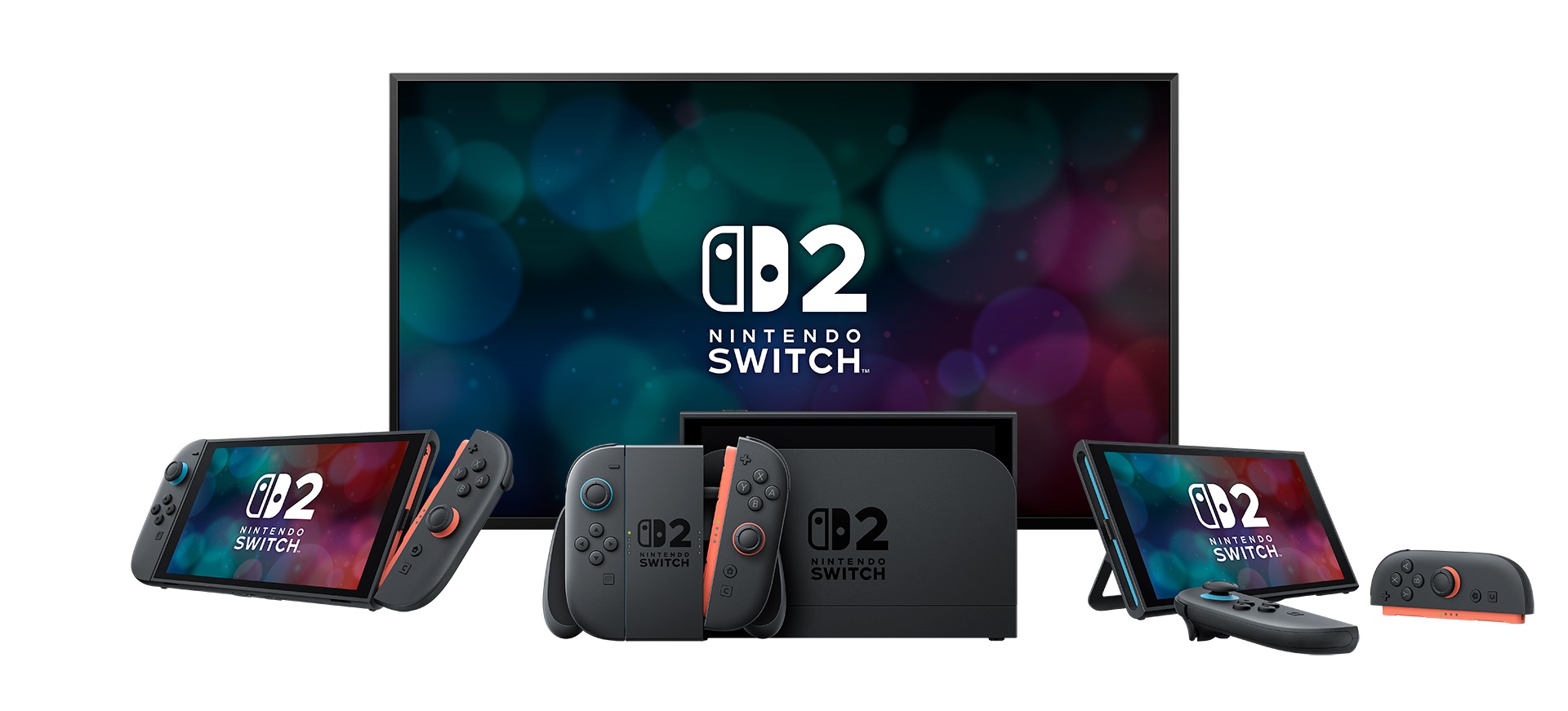
The PS6 won’t enter a market where Sony is the only player making bold moves. Microsoft’s Xbox Helix, rumored to target a premium tier, and Nintendo’s next console—likely influenced by the Switch 2’s lifecycle—are both part of a shift toward higher-end positioning. Sony’s silence isn’t just about memory; it’s about ensuring the PS6 doesn’t feel like an afterthought in a landscape where Microsoft is aggressively staking its claim to the next generation.
Specs on Paper, Value in Question
- Display: 4K resolution as standard, with potential for higher refresh rates depending on game optimization.
- Performance: Estimated 6-12x improvement in ray tracing over the PS5, though real-world performance will hinge on developer adoption of next-gen techniques.
The PS6’s technical roadmap is already set: it’s built to push boundaries. But specs alone won’t guarantee success. Sony knows that 4K rendering and advanced ray tracing must translate into a seamless experience—and that requires careful cost management. If memory prices stabilize, the console could carve out its own space. If not, Sony may face tough choices between maintaining affordability and protecting profit margins.
The High-Stakes Calculation
Sony’s strategy is a gamble with high stakes. Delaying final decisions means betting on market stabilization, but it also risks leaving the PS6 looking outdated if competitors move faster. The alternative—absorbing costs to keep prices competitive—could strain margins in an industry already squeezed by economic pressures. For consumers, the lack of clarity means patience is required. If the PS6’s timing doesn’t align with personal upgrade cycles, a shift to Xbox or PC could become the default.
A Console at the Crossroads
The PS6’s eventual release will test Sony’s ability to balance innovation with economic pragmatism. Unlike the PS5, which entered the market with a clear value proposition, the next generation may require more nuance. If memory prices stabilize, the console could solidify its place as a leader. If not, Sony’s reputation for cutting-edge hardware could face scrutiny in an era where cost is just as critical as capability.
For now, the PS6 remains a question mark—a placeholder in conversations about the future of gaming. But the pieces are falling into place: rumored focus on ray tracing, quiet competition with Microsoft and Nintendo, and the looming shadow of economic uncertainty. When Sony does announce its next move, the timing will say as much about their strategy as the console itself.