52,866 players logged in at once during the launch of Poppy Playtime Chapter 5, more than doubling the previous record of 25,128 set by Chapter 4 in January 2025. The first-person horror-puzzle game has also surged to the top of Steam’s global sales charts, proving that the abandoned toy factory’s appeal hasn’t dimmed—if anything, it’s grown.
The surge isn’t just about new players. Chapter 5’s release coincides with a heavily discounted Poppy Playtime Toybox Bundle, offering Chapters 2, 3, and 4 at 50% off. Chapter 1 remains free, a classic bait-and-switch tactic that’s clearly working. Meanwhile, the standalone Chapter 5 is priced at $19.99, positioning it as a premium entry in a series where nostalgia and dread walk hand in hand.
The game’s mechanics—puzzle-solving under pressure, eerie atmosphere, and a cast of unsettlingly charming (yet lethal) toys—have clearly struck a chord. The Prototype, a hybrid organic-mechanical doll first introduced in Chapter 4, returns as a centerpiece, its unsettling design likely a major draw for both new and returning players.
A New Kind of Horror Hit
The numbers tell a story of a game that thrives on accessibility and replayability. While Chapter 5’s launch saw the highest concurrent player count, Steam’s sales charts suggest the series has a broader, more sustained audience than typical horror titles. The Toybox Bundle likely played a role, offering a low-risk entry point for players curious about the series but hesitant to commit to individual chapters.
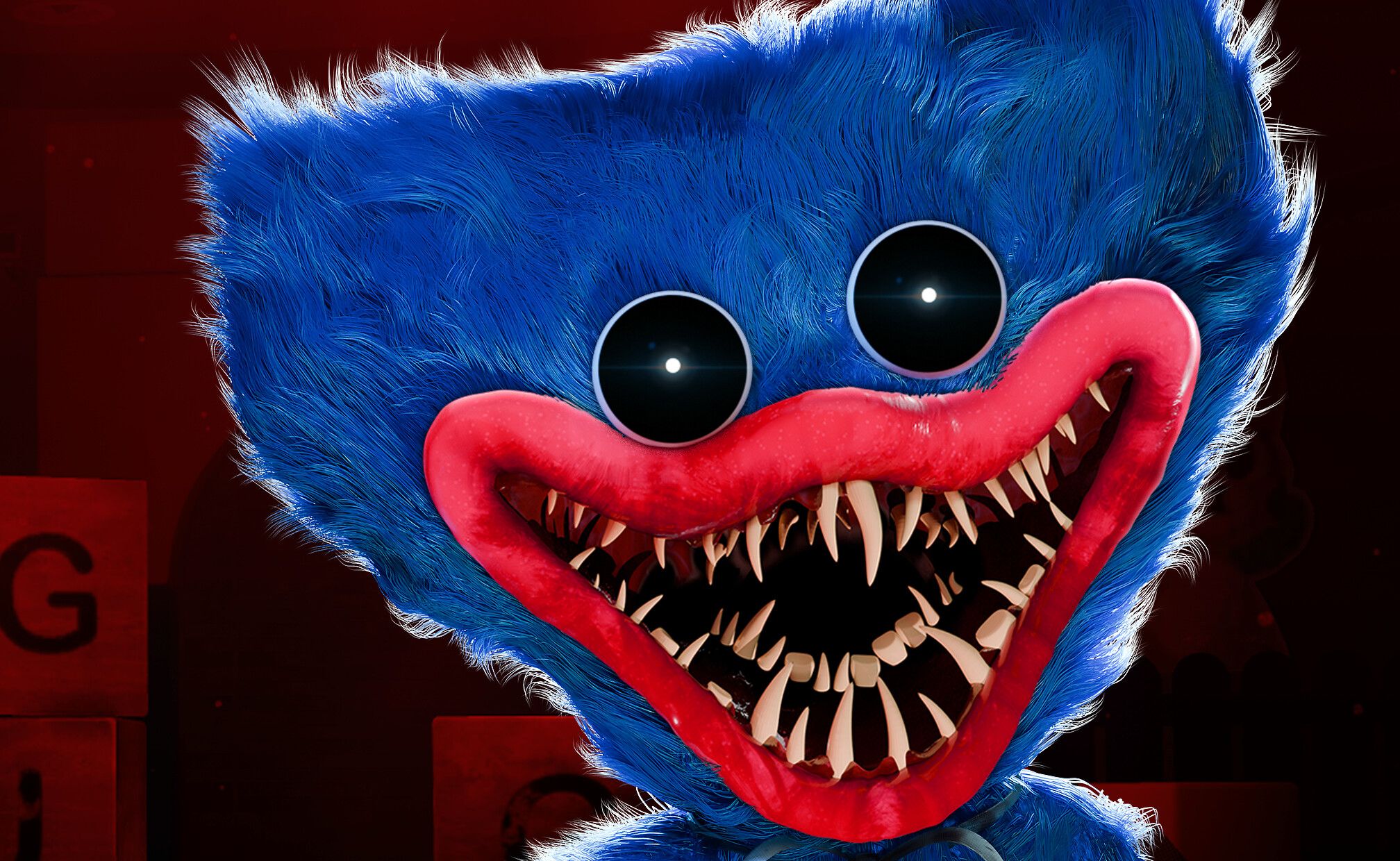
Yet for those who want the full experience, Chapter 5 delivers fresh twists. The trailer for the new chapter introduces Wrongside Outimals, creatures stitched together with their insides exposed—a visually striking (and unsettling) departure from the series’ usual aesthetic. These aren’t just decorative; they’re integral to the game’s puzzles and lore, reinforcing the series’ blend of horror and interactive storytelling.
What makes Poppy Playtime stand out isn’t just its jump scares, but how it balances them with a narrative that feels personal. Players aren’t just escaping a factory; they’re uncovering the backstory of Poppy, Huggy Wuggy, and the other toys, each with their own tragic origins. That emotional layer, combined with the game’s replay value, explains why it’s not just a flash-in-the-pan horror experience.
Who’s Playing—and Why It Matters
The game’s appeal cuts across demographics. Hardcore horror fans appreciate its atmospheric dread and intricate puzzles, while casual players are drawn in by the series’ accessibility. Chapter 5’s success suggests the franchise has matured beyond its indie roots, now competing with AAA horror titles in both scale and polish.
For developers, the numbers serve as a blueprint for how to monetize a horror series: offer a free entry point, bundle past chapters at a discount, and price new releases competitively. For players, it’s a reminder that sometimes, the scariest games aren’t the ones with the biggest budgets—but the ones that make you care the most.